Interview: Shinbe Sakakura XVI (Ceramic Artist)
VOICE VOL.8


VOL.1-8
Update
VOL.1-53
Update

VOL.1-26
Update
VOL.1
Update
VOL.1-27
Update
VOL.1-4
Update
VOL.1-27
Update

VOL.1-4
Update
VOL.1-3
Update
VOL.1
Update
VOL.1-32
Update
VOL.1-12
Update
VOL.1
Update
We share a variety of information and perspectives on Japanese crafts, including exhibition information and interviews.
VOICE VOL.8
Featured Exhibitions & Events VOL.53
New Products VOL.26
Travel Guide VOL.1
Mar 19 – Mar 29, 2026
Seiko House Hall
Mar 20 – Mar 24, 2026
SHIBUYA KURODA TOEN
Mar 20 – Mar 29, 2026
Kashima Arts
Mar 20 – Mar 29, 2026
TOBETOBEKUSA

Karatsu ware has a long history, and even today it is known as one of Japan’s representative potteries. Widely popular, it has a high reputation as tea ceremony ware, and has been traditionally referred to in the phrase “Ichi-Raku, Ni-Hagi, San-Karatsu (First Raku, second Hagi, third Karatsu).”
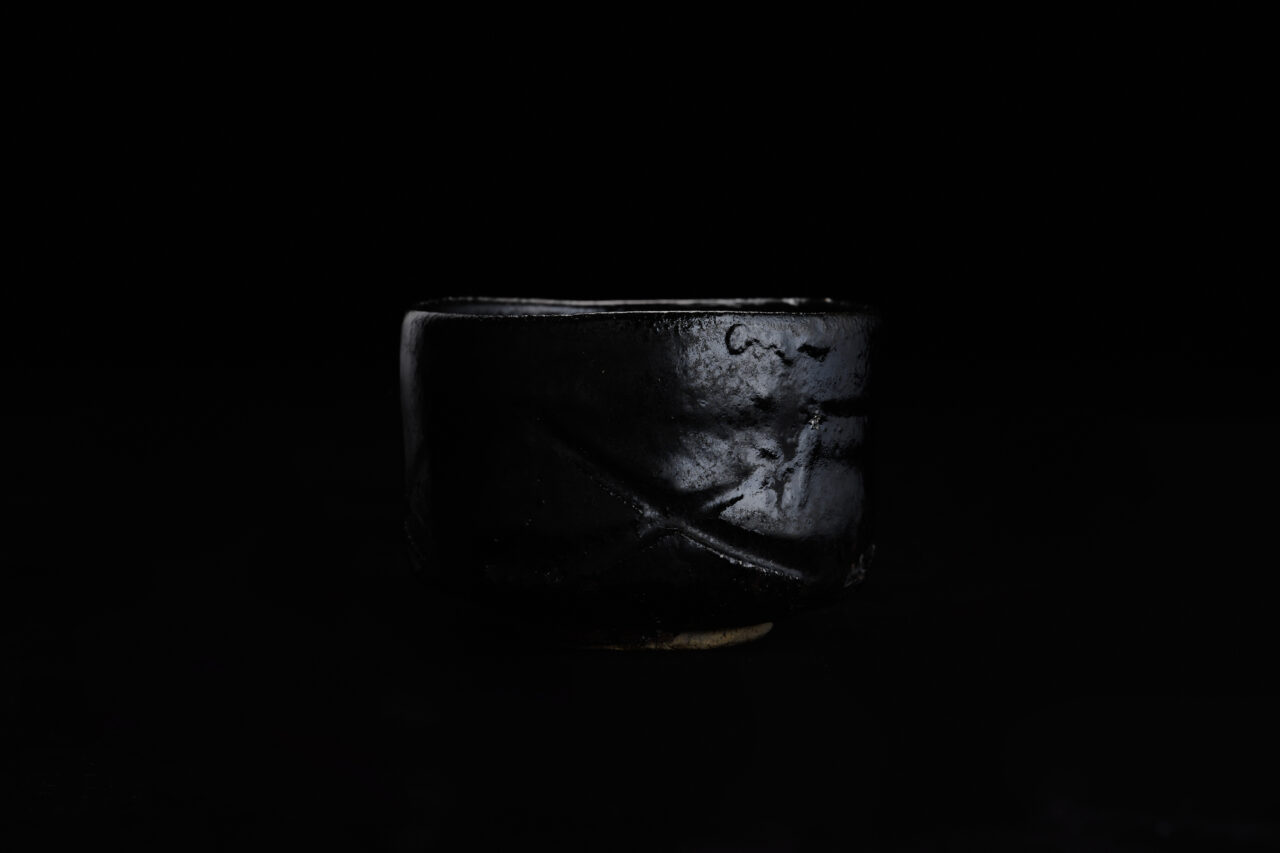
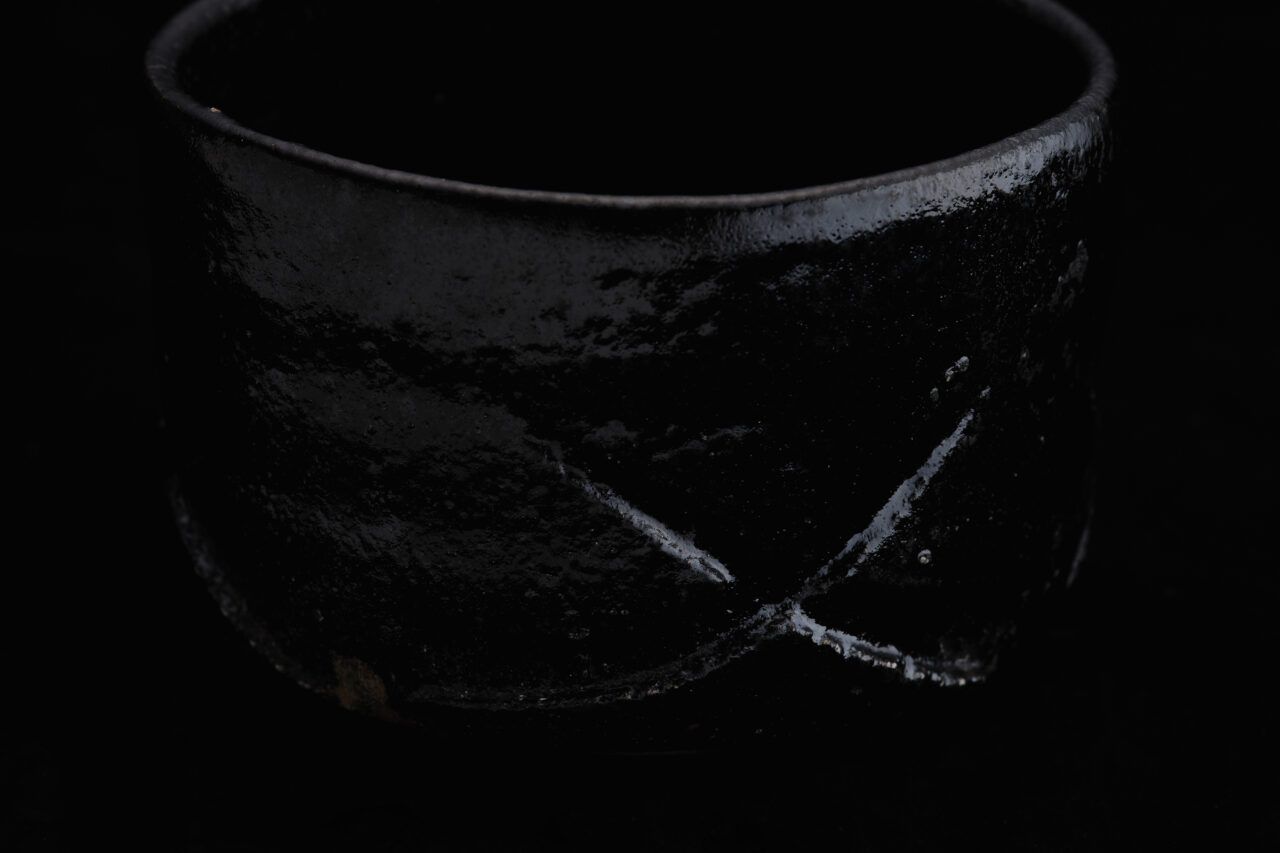
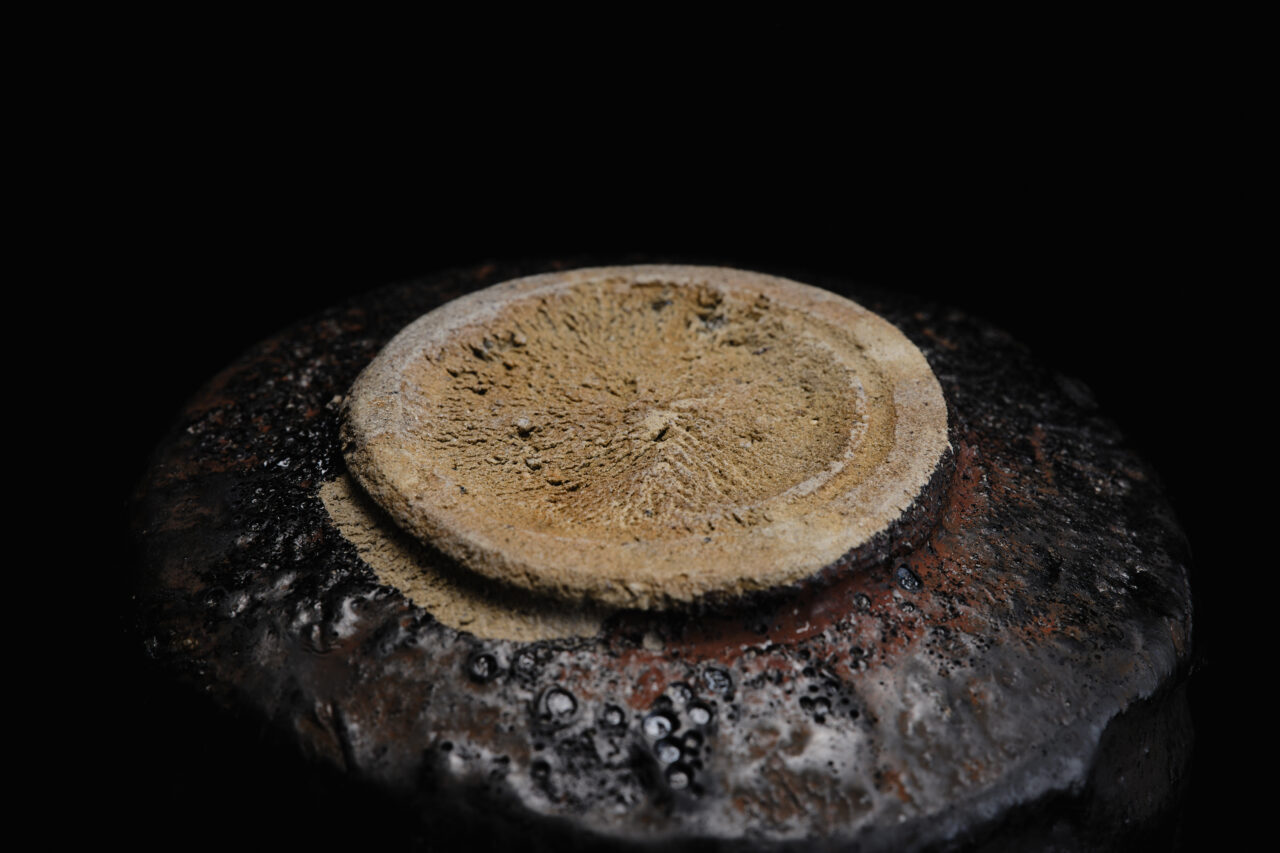
The “Black Karatsu Tea Bowl” by Rui Mito has a rich expression that cannot be described in just one word, “black.” Indeed Karatsu ware can be said to be unique in its diversity of expression. The “X” pattern engraved boldly on the body emerges from the jet-black surface of the bowl, creating a profound impression in which the “black glazing” and “carving” techniques nurtured in Karatsu ware complement each other. Purposefully revealing the clay in the kodai (foot) of the bowl is also typical of Karatsu style, while the texture of the clay, collected by Rui herself, is beautifully expressed, conveying her uncompromising approach to pottery making.
While utilizing techniques rooted in Karatsu, this work has many unique highlights. If you make matcha tea with it, it will surely bring to life the vivid green color of the tea.