
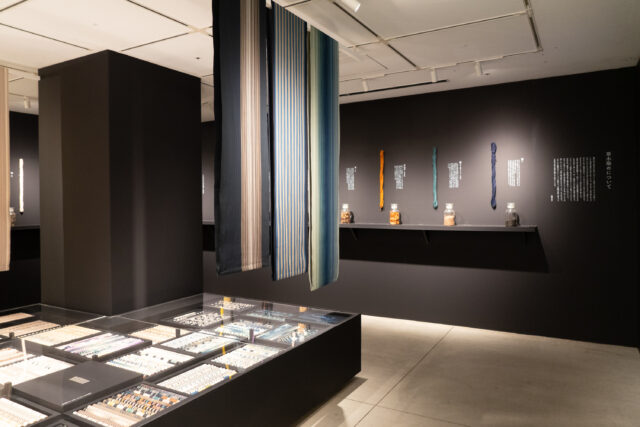
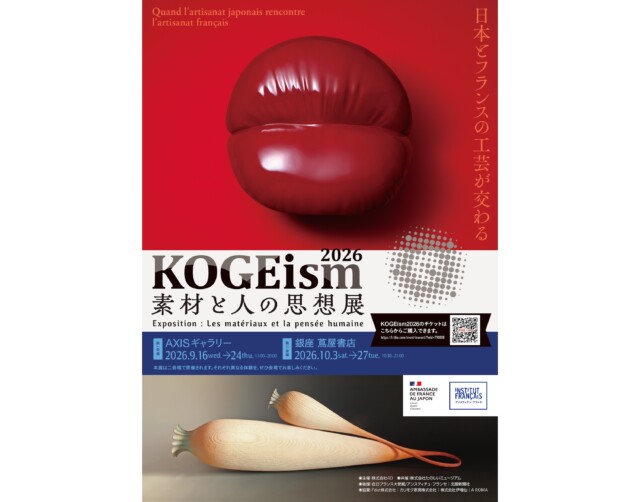
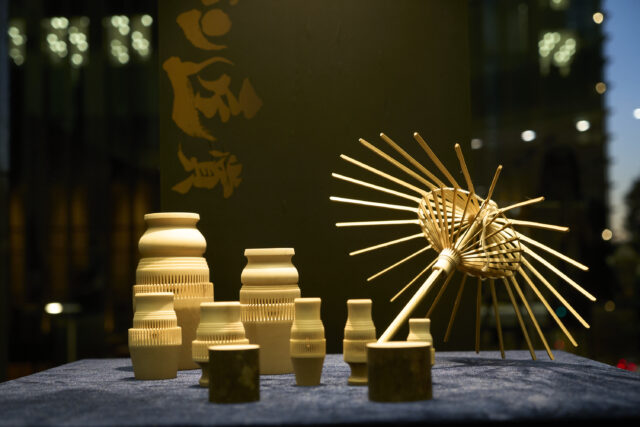
“KOGEism 2026 – Exposition: Les matériaux et la pensée humaine” Featuring Craft Artists from Japan and France, Will Be Exhibited at AXIS Gallery in Roppongi and Ginza Tsutaya Books
Featured Exhibitions & Events VOL.67
VOL.1-67
Update
VOL.1-30
Update
VOL.1-5
Update
VOL.1-32
Update
VOL.1-8
Update
VOL.1
Update
VOL.1-27
Update
VOL.1-4
Update
VOL.1-3
Update
We share a variety of information and perspectives on Japanese crafts, including exhibition information and interviews.
Featured Exhibitions & Events VOL.67
Featured Exhibitions & Events VOL.66
New Products VOL.30
New Products VOL.29
Sep 12 – Nov 23, 2026
Mitsui Memorial Museum
Sep 18 – Sep 27, 2026
megumu art
Sep 19 – Sep 27, 2026
Ceramic gallery TOBETOBEKUSA
Sep 19 – Sep 27, 2026
Aizuya

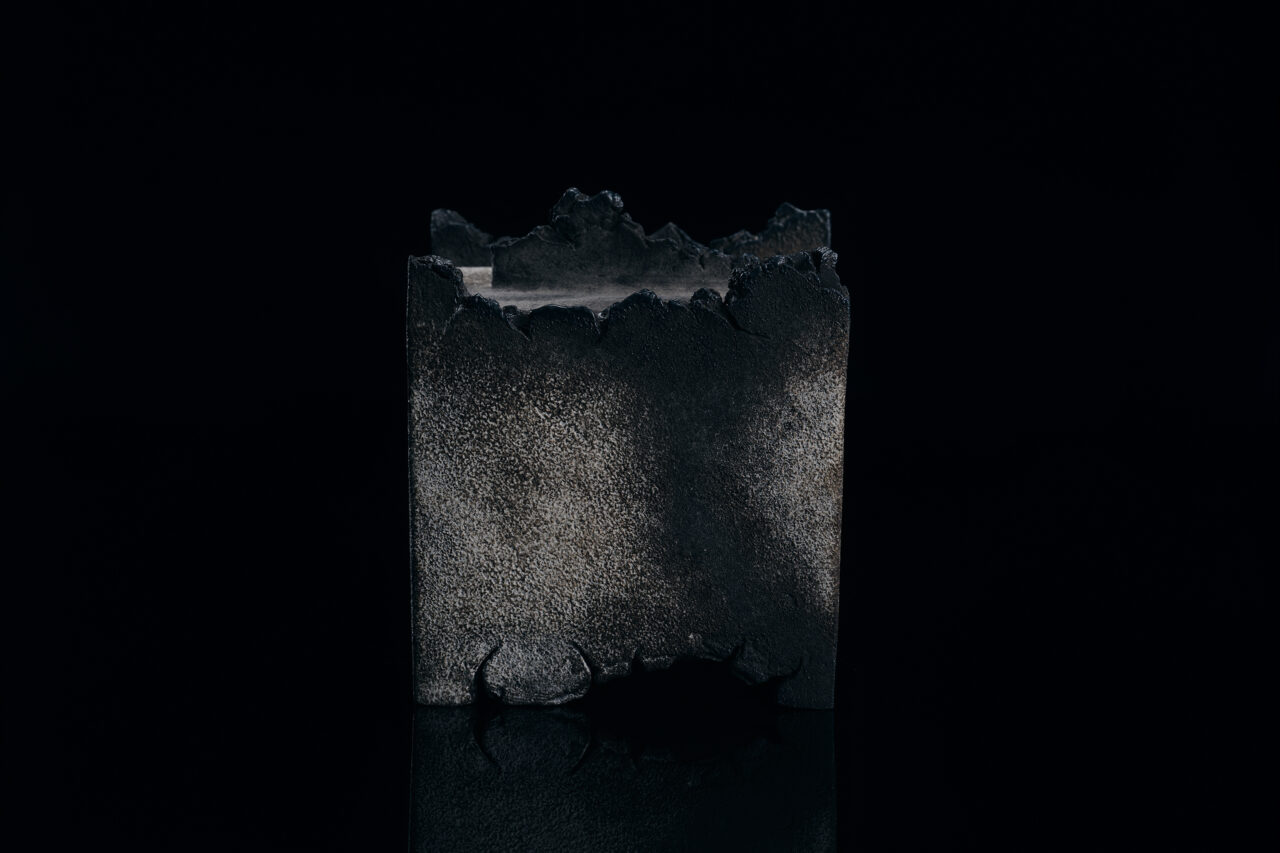
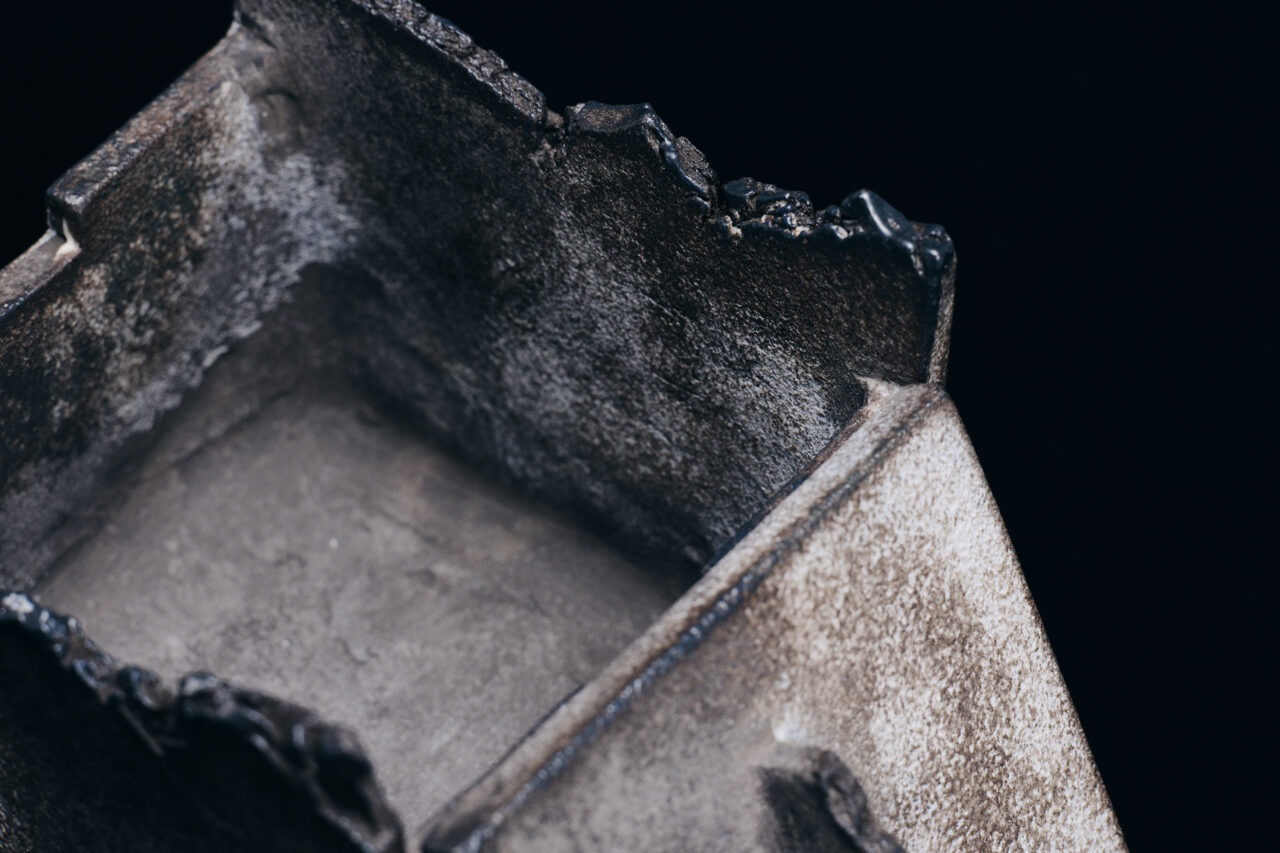
Quiet and monochromatic, this incense burner stands like the remnants of an ancient structure weathered by millennia. It is hand-built with Hagi clay by ceramic artist Eiichi Shibuya, based in Hagi, Yamaguchi Prefecture. The fire of the kiln imparts intricate nuances to the clay surface, carving away color to reveal shadows that seem to sink deeply within.
For Eiichi, “time” is the central theme of his “Chi no Utsuwa” (“Vessels of Earth”) series. This work draws inspiration from an ancient Roman aqueduct the artist encountered during a stay in Italy. At the same time, the city of Hagi itself is home to historical sites that have quietly endured through the ages. Though the two landscapes are far apart, they feel connected by an invisible geological vein that seems to resonate with the artist’s own sensibilities. The timeless beauty embodied in this piece will surely speak to viewers far into the future.
This work emerges at the intersection of traditional materials, the character of the land, and the artist’s creative intuition. Were any one of these elements missing, this piece could not have come into being. A quiet merging of the artist’s longing for Hagi and his creative resolve allows this incense burner to live fully in the present.