
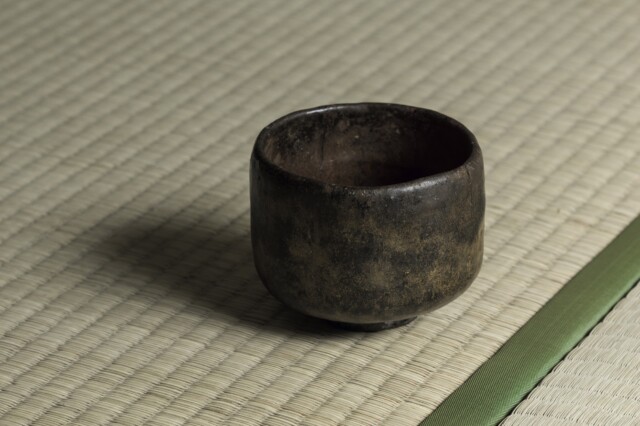
Raku Chojiro I “Black Tea Bowl Named Gentaguro” Fetched 230 Million Yen at Auction
KOGEI Topics VOL.32
VOL.1-32
Update
VOL.1-28
Update

VOL.1-63
Update

VOL.1-8
Update
VOL.1
Update
VOL.1-4
Update
VOL.1-27
Update

VOL.1-4
Update
VOL.1-3
Update
We share a variety of information and perspectives on Japanese crafts, including exhibition information and interviews.
KOGEI Topics VOL.32
KOGEI Topics VOL.31
New Products VOL.28
KOGEI Topics VOL.30

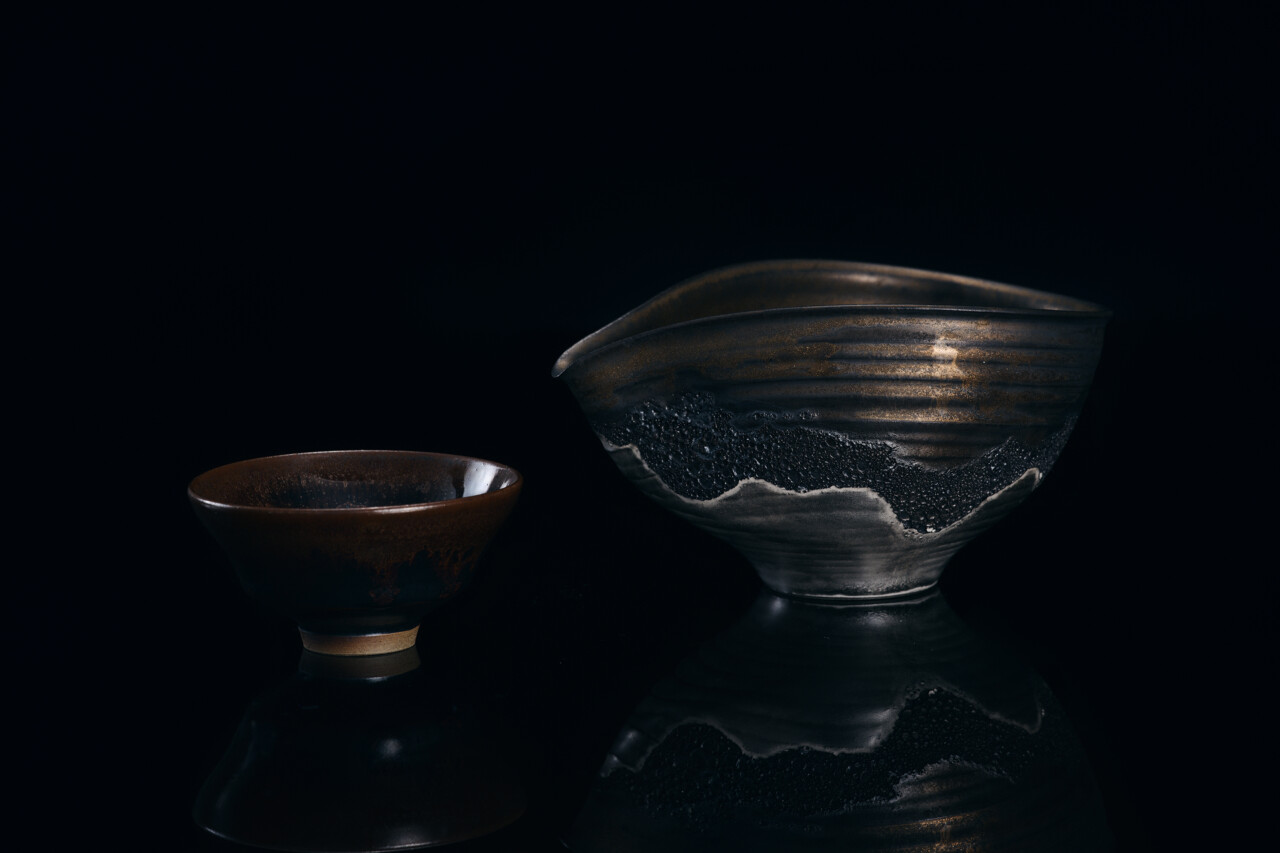
Originating from the official kiln of the Kuroda domain, Takatori ware is distinguished by a refined aesthetic often described as kirei-sabi, a beauty that balances elegance with quiet restraint. Its foundation lies in over 420 years of tradition, with a wide range of glazes passed down through generations through closely guarded secret manuals. Finely crushed clay prepared with a kara-usu water-powered mortar is shaped into thin, delicate forms, on which subtle and unpredictable transformations emerge from wood firing.
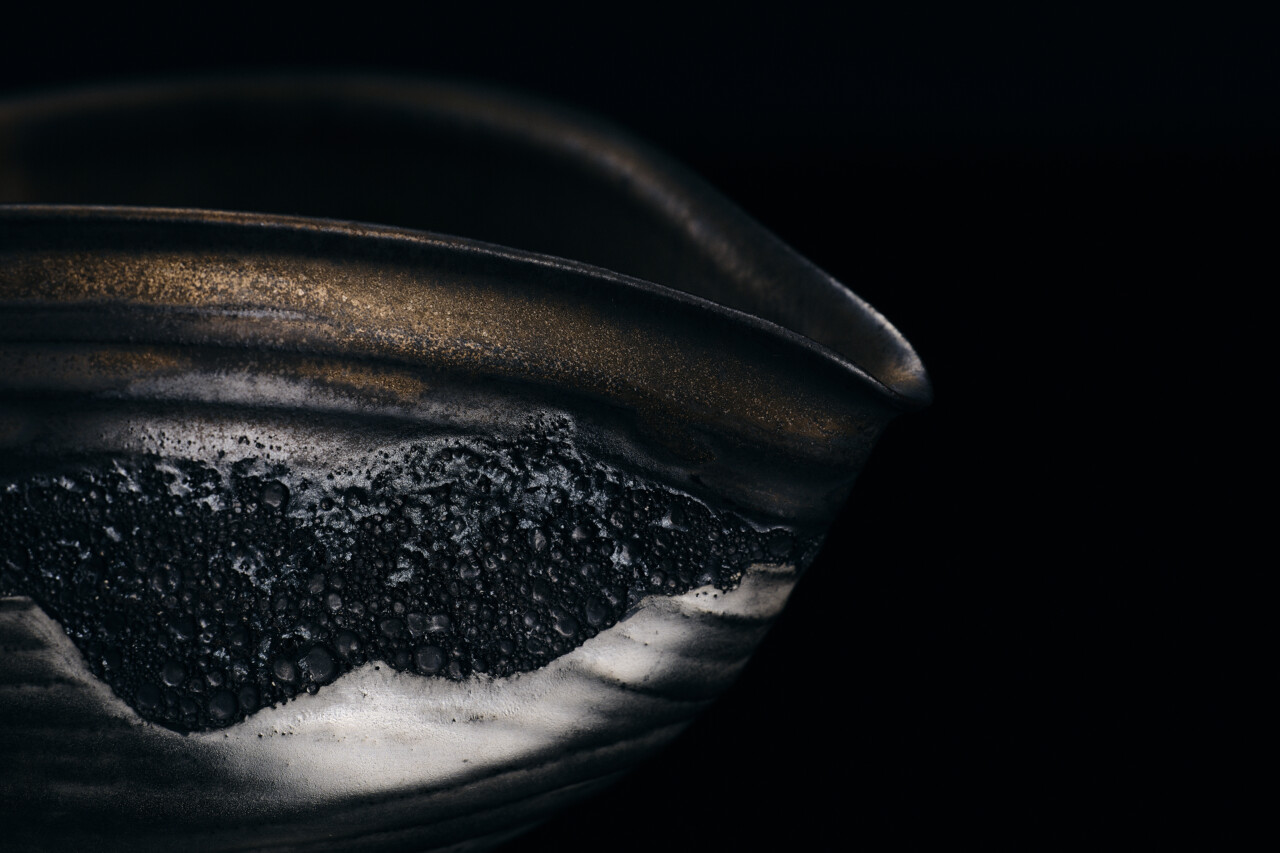
This work by Shunkei Takatori, heir to the Takatori-yaki Souke family and a direct descendant of its founding master Hachizan, builds upon that heritage while opening new avenues of expression. In particular, Ginsai Sake Server reveals a rich interplay of surfaces. A glaze with a subdued golden cast takes on varied expressions in the light, while the silver decoration applied over it lends a brilliant, festive radiance. The contrast with its rugged, lava-like texture is another one of its most compelling features. By incorporating ginsai silverwork into the traditionally glaze-rich practice of Takatori ware, the piece produces an expression that brings out the distinct beauty of both clay and silver, reflecting the artist’s knowledge of metal craftsmanship alongside an aesthetic sensibility shaped through the tea ceremony. In it one clearly senses a resonance where tradition and contemporary vision meet.