
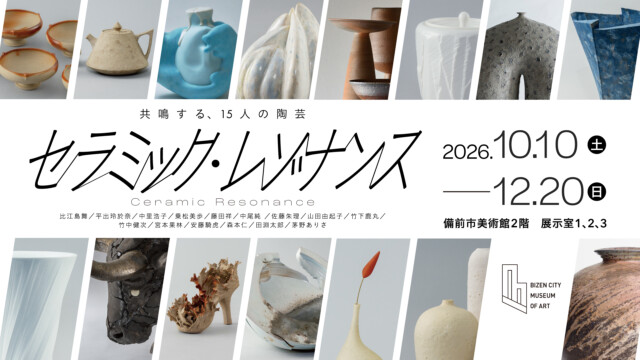
“Ceramic Resonance,” a Special Exhibition Where the Ceramic Expressions of 15 Artists from All over Japan Resonate with One Another Will Be Held at Bizen City Museum of Art
Featured Exhibitions & Events VOL.70
VOL.1-70
Update

VOL.1-30
Update
VOL.1-5
Update
VOL.1-32
Update

VOL.1-8
Update
VOL.1
Update
VOL.1-27
Update
VOL.1-4
Update
VOL.1-3
Update
We share a variety of information and perspectives on Japanese crafts, including exhibition information and interviews.
Featured Exhibitions & Events VOL.70
Featured Exhibitions & Events VOL.69
Featured Exhibitions & Events VOL.68
Featured Exhibitions & Events VOL.67
Oct 9 – Oct 24, 2026
HULS GALLERY TOKYO
Oct 10 – Dec 20, 2026
Bizen City Museum of Art
Oct 14 – Nov 29, 2026
Kanazawa Utatsuyama Kogei Kobo
Oct 19 – Oct 24, 2026
KOCHUKYO

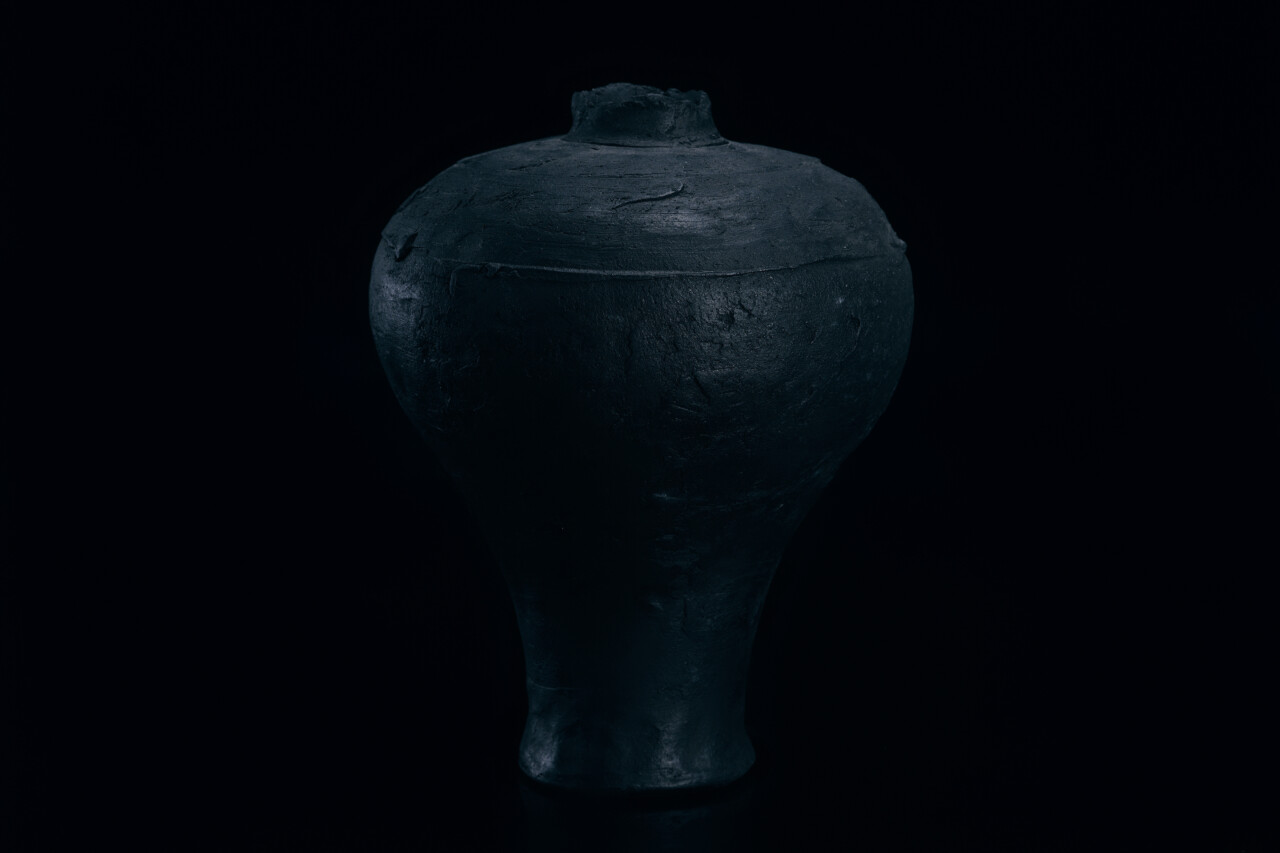
Counted among Japan’s Six Ancient Kilns, Seto in Aichi Prefecture is where the production of glazed ceramics first began in Japan. Among its many forms, the heishi, a bottle inspired by Chinese celadon, stands as a symbolic vessel of this medieval tradition, with numerous examples preserved through both heirloom pieces and archaeological discoveries. Teppei Terada, who pursues his ceramic practice in Seto, carries forward this classical form, employing hand-forming techniques and carbonized yakishime to strikingly reveal the inherent texture of the material.
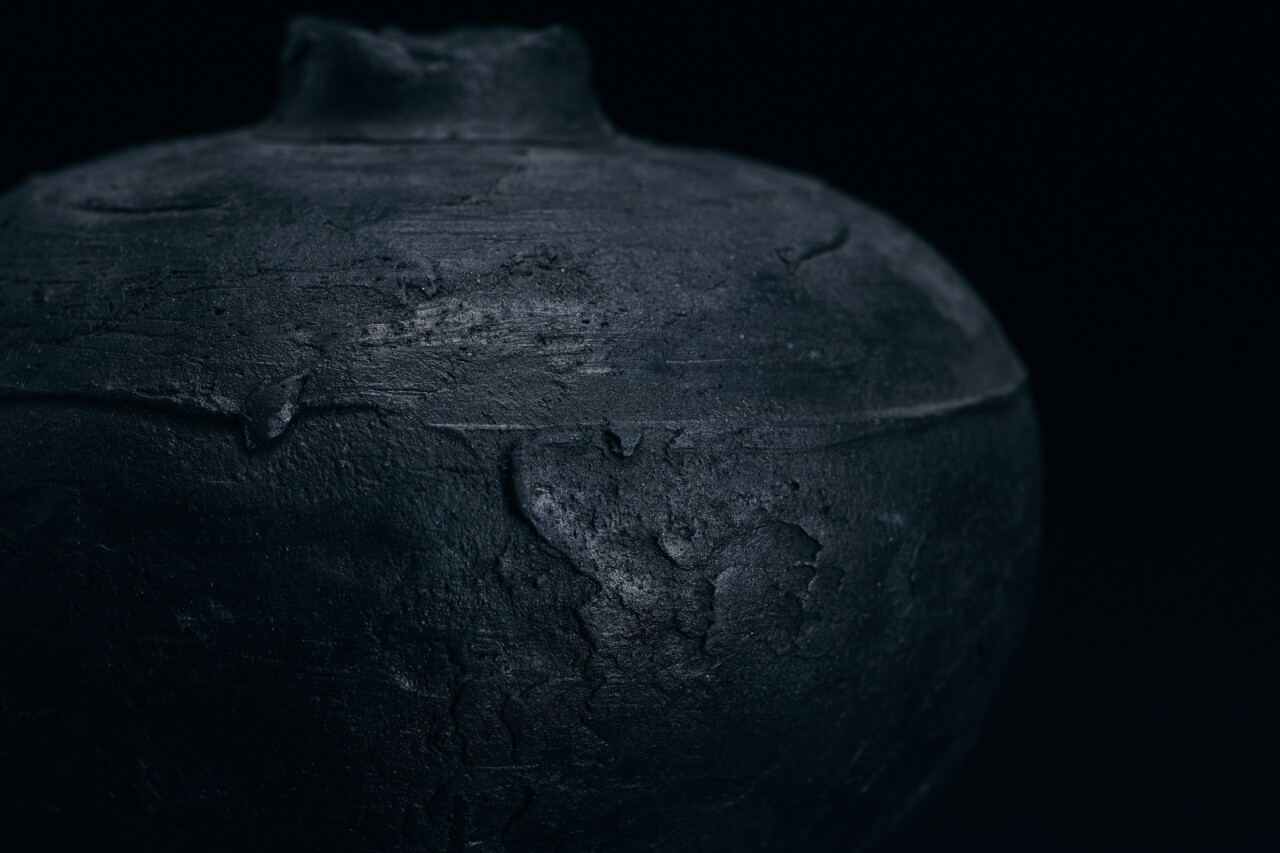
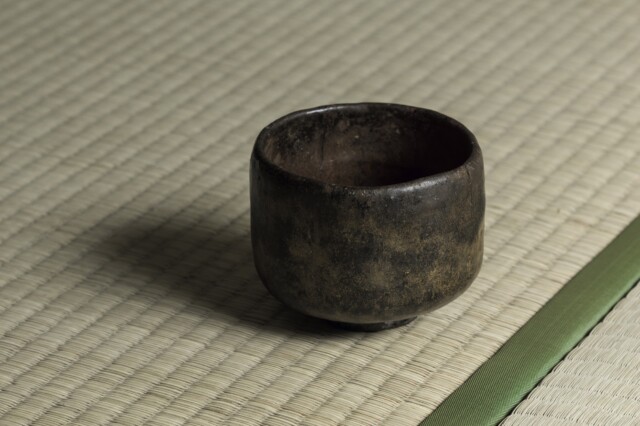
The first element to captivate the viewer when encountering this work is its lacquer-like black presence, which evokes a sense of serene darkness. To fully express the character of the clay, the artist deliberately forgoes the use of glaze and instead employs carbonized yakishime, a technique in which carbon is absorbed into the surface during firing through incomplete combustion. The resulting distinctive black surface accentuates the inherent depth of the clay, elevating it into a refined expression of contemporary beauty.
Teppei creates his works with a deep commitment to two guiding principles: “the tradition of Seto ceramics” and “the art of earth and flame.” Within this philosophy resides a profound respect for ancestral aesthetics, alongside a renewed expression that brings a distinctive presence to contemporary living.