
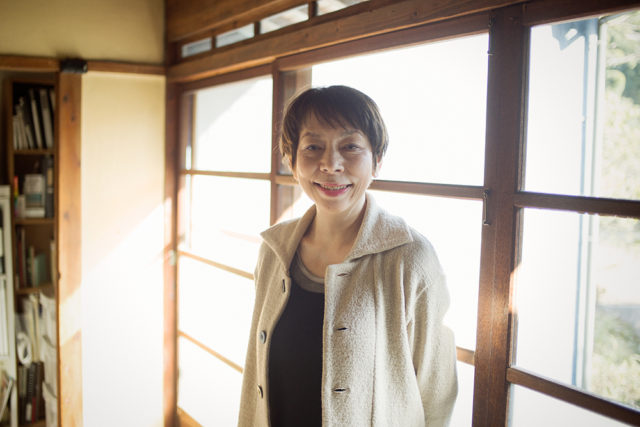
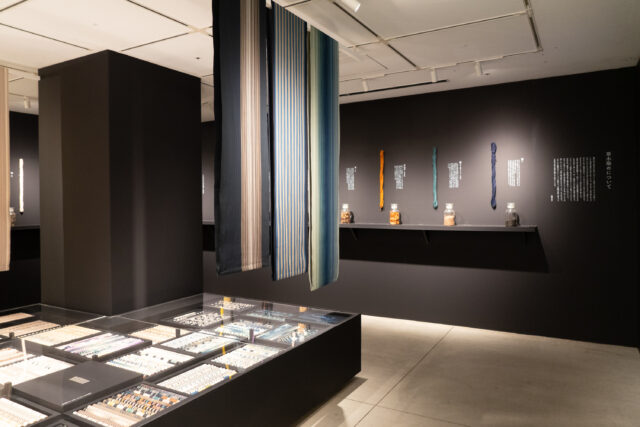
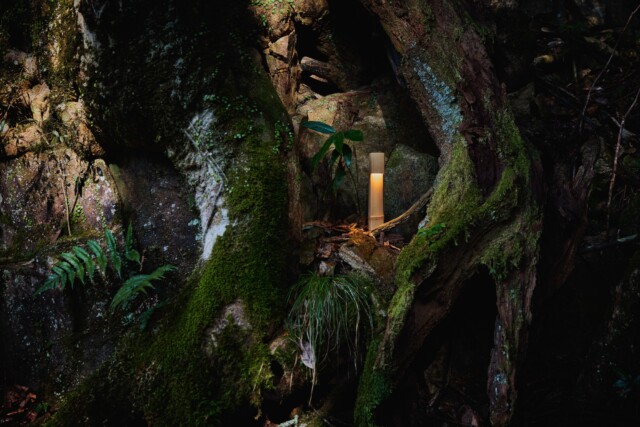
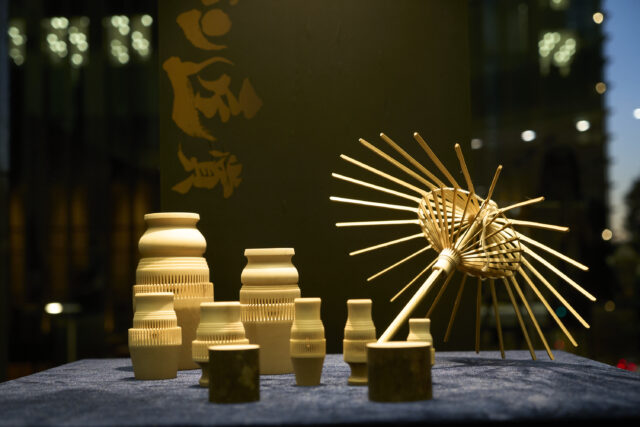
“Nosou™,” A New Brand Rooted in Natural Materials and Craftsmanship, Unveils Bamboo Lighting Collection
New Products VOL.30
VOL.1-30
Update
VOL.1-65
Update
VOL.1-5
Update
VOL.1-32
Update

VOL.1-8
Update
VOL.1
Update
VOL.1-27
Update
VOL.1-4
Update
VOL.1-3
Update
We share a variety of information and perspectives on Japanese crafts, including exhibition information and interviews.
New Products VOL.30
New Products VOL.29
Featured Exhibitions & Events VOL.65
Editor's Column “The Path of Japanese Crafts” Part2: Modern Society and Kogei VOL.5
Aug 14 – Aug 29, 2026
HULS GALLERY TOKYO
Aug 15 – Oct 12, 2026
Nezu Museum
Aug 25 – Aug 31, 2026
KAKIDEN GALLERY
Aug 26 – Sep 6, 2026
Nihonbashi Takashimaya S.C.
3100-1, Toshaku Otsu, Arita-cho, Nishi Matsuura-gun, Saga Prefecture 844-8585 Japan
+81-955-43-3681
9:00 am to 5:00 pm (Last entry 4:30 pm)
・Every Monday (If public holiday falls on a Monday, the next business day is closed)
・During year end and new year holidays (December 29 to January 3)
By Public Transportation
・About 12 minutes walk from JR Arita Station
By Car
・About 10 minutes from Hasami Arita IC by Nishi-Kyushu Expressway
・About 30 minutes from Takeo Kitagata IC by Nagasaki Expressway
・About 1 hour 15 minutes from Kyushu-Saga International Airport
* While every effort has been made to ensure the accuracy of the information of each museum and gallery, please refer to the official website of each facility for the latest information.
The Kyushu Ceramic Museum specializes in ceramics of the Hizen area (Saga and Nagasaki Prefecture) and various areas of Kyushu. The museum boasts one of the world’s largest collections, having about 29,000 ceramics, mainly Arita ware. This includes two Important National Cultural Properties, and over 1,000 exhibits that are opened to the public at all times. Amongst the 1,000 exhibits, you can find “The Kanbara Collection” (owned by Arita-cho), which consists of Ko-Imari (Arita ware), one that fascinated the European royalties and aristocrats when it was being exported overseas during the Edo period, and the “Mr. and Mrs. Shibata Collection” which holds about 1,000 pieces of Arita ware, also from the Edo period. Both collections are worth the visit. In the other exhibits, find ceramic works by artists who are representative of each area in Kyushu, Karatsu ware, ceramics in the early Imari style, Kakiemon style and Nabeshima style of Hizen, and old ceramics by various kilns in Kyushu. One of their permanent exhibition spaces was renovated and then reopened on April 9, 2022.