
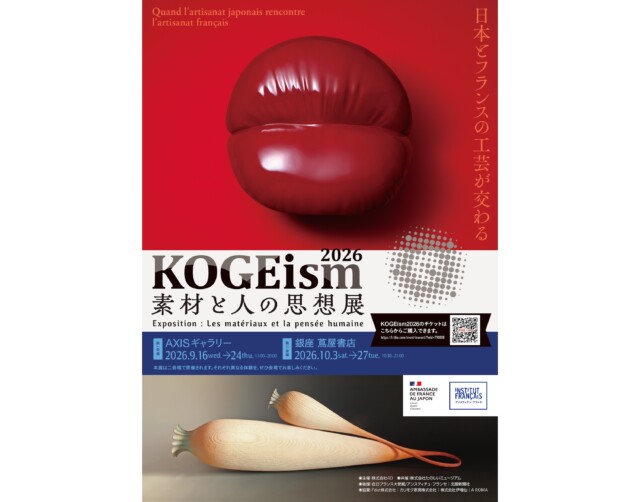
“KOGEism 2026 – Exposition: Les matériaux et la pensée humaine” Featuring Craft Artists from Japan and France, Will Be Exhibited at AXIS Gallery in Roppongi and Ginza Tsutaya Books
Featured Exhibitions & Events VOL.67
VOL.1-67
Update

VOL.1-30
Update

VOL.1-5
Update
VOL.1-32
Update

VOL.1-8
Update
VOL.1
Update
VOL.1-27
Update

VOL.1-4
Update
VOL.1-3
Update
We share a variety of information and perspectives on Japanese crafts, including exhibition information and interviews.
Featured Exhibitions & Events VOL.67
Featured Exhibitions & Events VOL.66
New Products VOL.30
New Products VOL.29
Sep 12 – Nov 23, 2026
Mitsui Memorial Museum
Sep 18 – Sep 27, 2026
megumu art
Sep 19 – Sep 27, 2026
Ceramic gallery TOBETOBEKUSA
Sep 19 – Sep 27, 2026
Aizuya

The Takatori-yaki Souke Kiln traces its origins to the official kiln of the Kuroda domain through an unbroken line to its first-generation founder, Hachizan Takatori. During the Edo period (1603-1868), under the guidance of tea master Enshu Kobori, the kiln came to produce refined tea wares in the style known as “kirei-sabi” (“beauty and simplicity”). Today, the techniques continue to be passed down in Toho-mura, Fukuoka Prefecture, through a one-to-one transmission from father to son. Distinguished by the use of finely ground clay prepared with a kara-usu mortar and a wide variety of glazes handed down through generations, Takatori-yaki Souke Kiln is celebrated for its graceful and elegant expression.
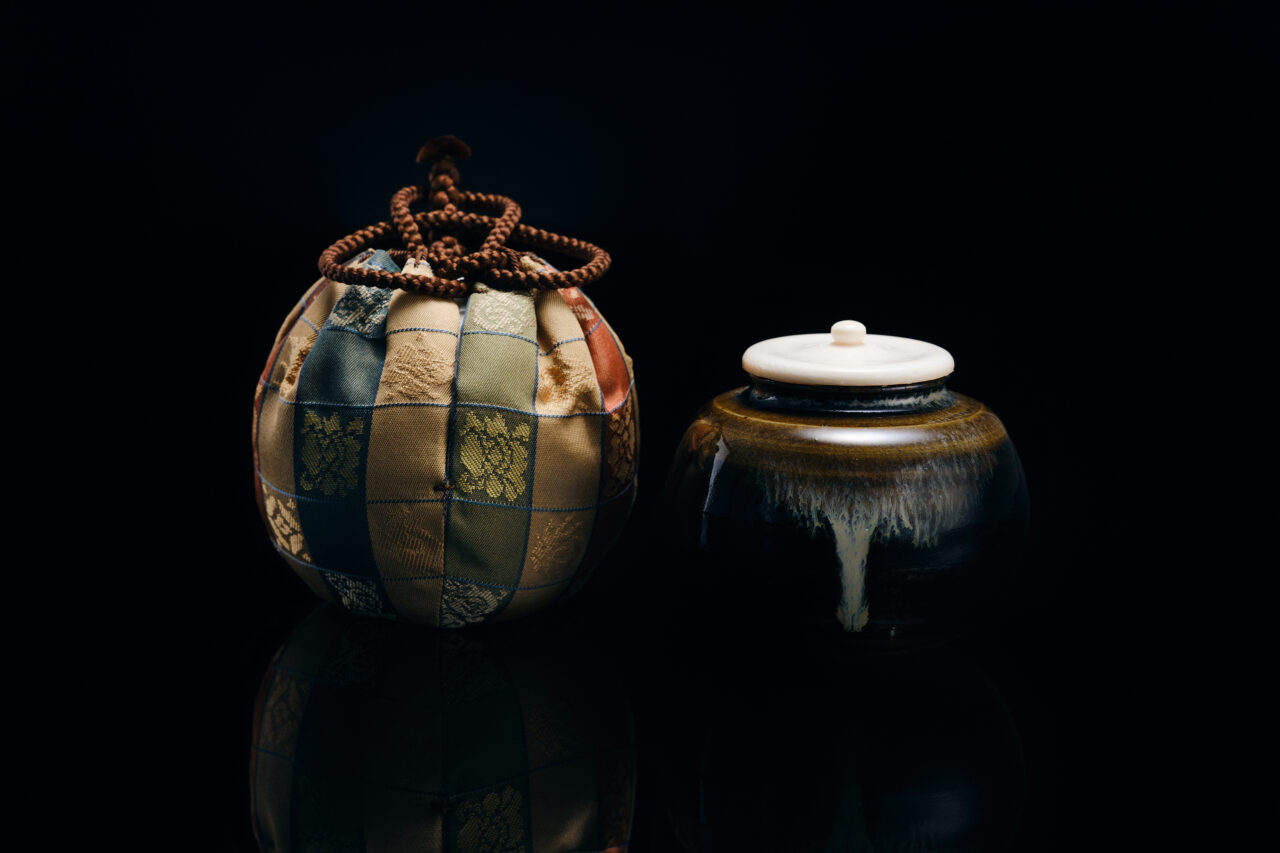
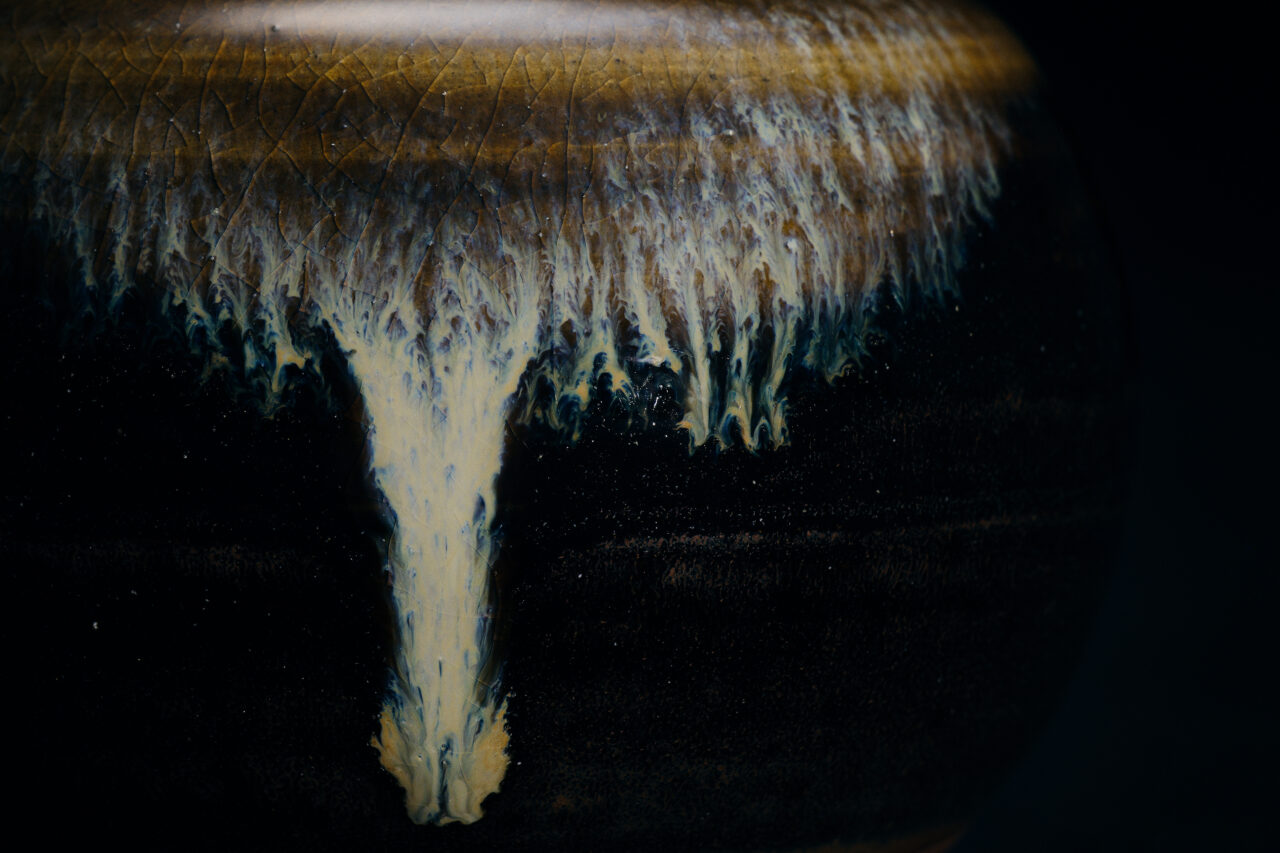
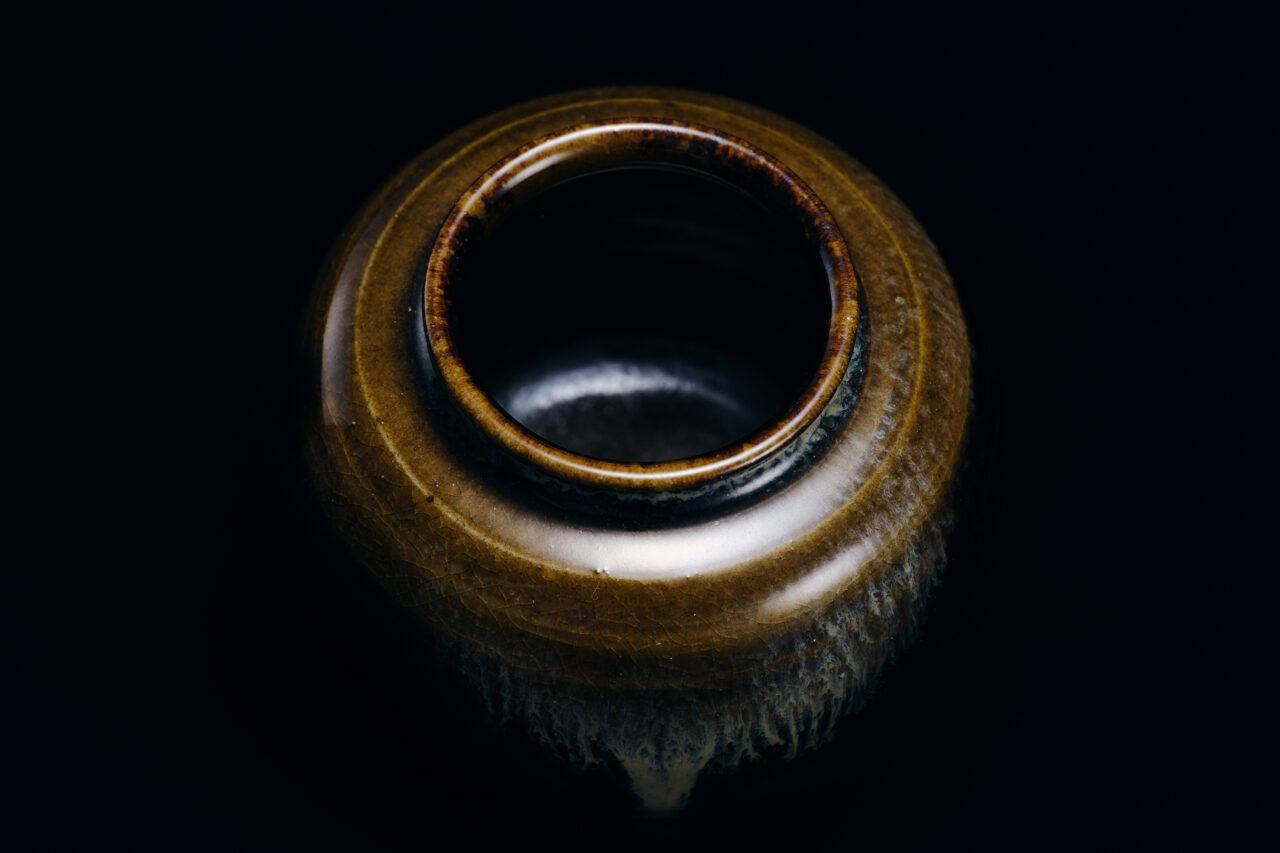
This piece, Chu-kai Tea Caddy, was crafted by the current thirteenth-generation head of the kiln, Hachizan Takatori, who studied under his father, the twelfth-generation Hachizan, and his grandmother, the eleventh-generation Seizan. It features a gently rounded, slightly flattened body, with a characteristically thin and carefully finished mouth in the Takatori ware style, offering a wide opening for ease of use. The subdued tones harmonize beautifully with the soft white of the ivory lid (ge-buta). Layers of glaze overlap to create subtle, complex variations in color, forming a landscape favored by Enshu. A single cascading streak down the front may be regarded as the work’s most striking highlight.
Takatori ware tea caddies were once treasured by feudal lords. The present generation’s work carries on this tradition, exuding a dignified refinement befitting its lineage.