New Products Released from “F-TRAD,” a Project Brand of Fukui’s Traditional Crafts
New Products VOL.25
VOL.1-25
Update
VOL.1-26
Update
VOL.1-52
Update
VOL.1-4
Update
VOL.1-27
Update
VOL.1-4
Update
VOL.1-3
Update
VOL.1
Update

VOL.1-7
Update
VOL.1-32
Update
VOL.1-12
Update
VOL.1
Update
We share a variety of information and perspectives on Japanese crafts, including exhibition information and interviews.
New Products VOL.25
New Products VOL.24
KOGEI Topics VOL.26
Featured Exhibitions & Events VOL.52
Jan 6 – Mar 10, 2026
The Japan Folk Crafts Museum
Jan 31 – Mar 15, 2026
Museum of Modern Ceramic Art, Gifu
Feb 7 – May 24, 2026
TOYOTA CITY FOLK CRAFT MUSEUM
Feb 14 – Mar 15, 2026
Fukui Fine Arts Museum

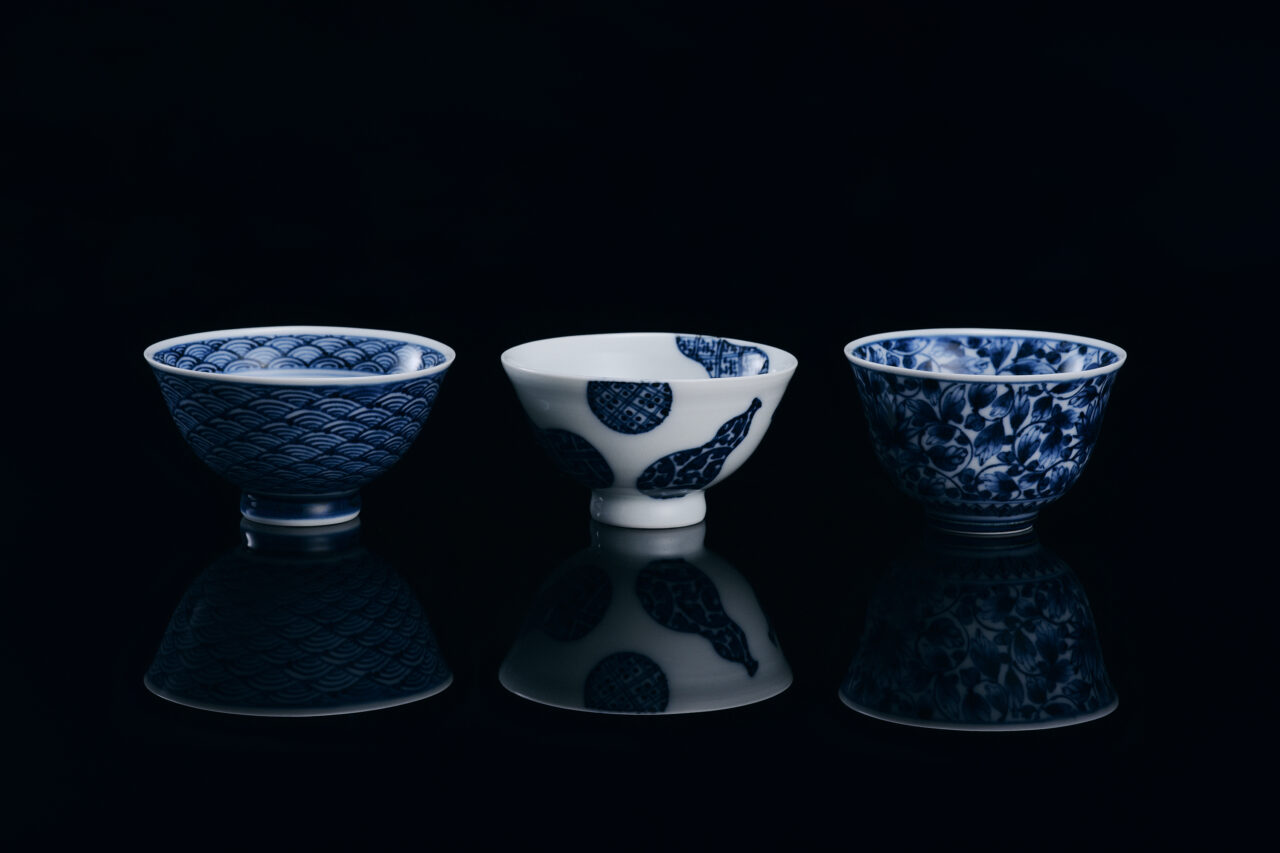
This series of guinomi sake cups is a collaborative work by brothers Hirohiko and Hirotsune Nakazato. Hirotsune forms each cup on the wheel, while Hirohiko applies the painted decoration, completing the pieces together.
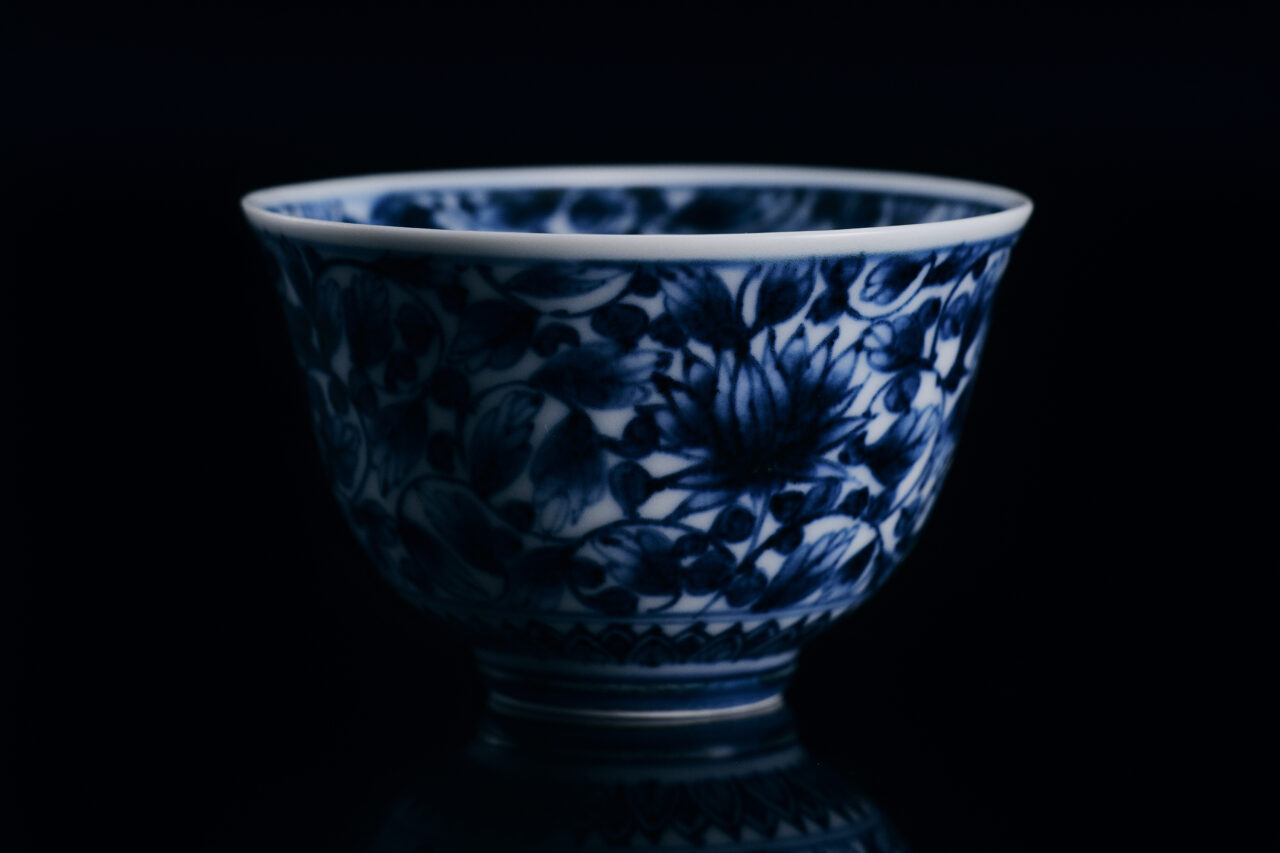
The cup bodies are thrown on a potter’s wheel. The porcelain body is made so thin and even that the exterior motifs appear to faintly show through from within. Each cup features an auspicious pattern long appreciated in Japan: the orderly geometry of seigaiha (literally, “blue ocean waves”), the light and playful contrast of white and indigo in the gourd motif, and the refined depth of the hana-karakusa (floral arabesque). These designs demonstrate a remarkably accomplished range of expression achieved through the sometsuke technique. On the well-balanced white porcelain, the supple lines and subtle tonal variations of gosu cobalt pigment reveal a level of skill that speaks to the assured craftsmanship of the two artists. Every cup carries a quiet appeal that naturally invites it to be held and used.
Born into a Mikawachi ware kiln family in Sasebo, Nagasaki, the Nakazato brothers have steadily refined their craft through formal training and independent practice. These works reflect not only the precision characteristic of dedicated craftsmen but also the expressive sensibilities they have cultivated as ceramic artists.