New Products Released from “F-TRAD,” a Project Brand of Fukui’s Traditional Crafts
New Products VOL.25

VOL.1-25
Update
VOL.1-26
Update

VOL.1-52
Update
VOL.1-4
Update
VOL.1-27
Update

VOL.1-4
Update
VOL.1-3
Update

VOL.1
Update

VOL.1-7
Update
VOL.1-32
Update

VOL.1-12
Update
VOL.1
Update
We share a variety of information and perspectives on Japanese crafts, including exhibition information and interviews.
New Products VOL.25
New Products VOL.24
KOGEI Topics VOL.26
Featured Exhibitions & Events VOL.52
Jan 6 – Mar 10, 2026
The Japan Folk Crafts Museum
Jan 31 – Mar 15, 2026
Museum of Modern Ceramic Art, Gifu
Feb 7 – May 24, 2026
TOYOTA CITY FOLK CRAFT MUSEUM
Feb 14 – Mar 15, 2026
Fukui Fine Arts Museum

Tokoname ware is crafted using smooth clay sourced locally and fired without glaze, resulting in a natural finish. Among its most celebrated creations are kyusu (Japanese teapots) and shiboridashi (handleless teapots), known for their ability to bring out the delicate flavors of tea. These pieces are especially beloved in cultures such as Japan, China, and Taiwan which have strong traditions around tea.
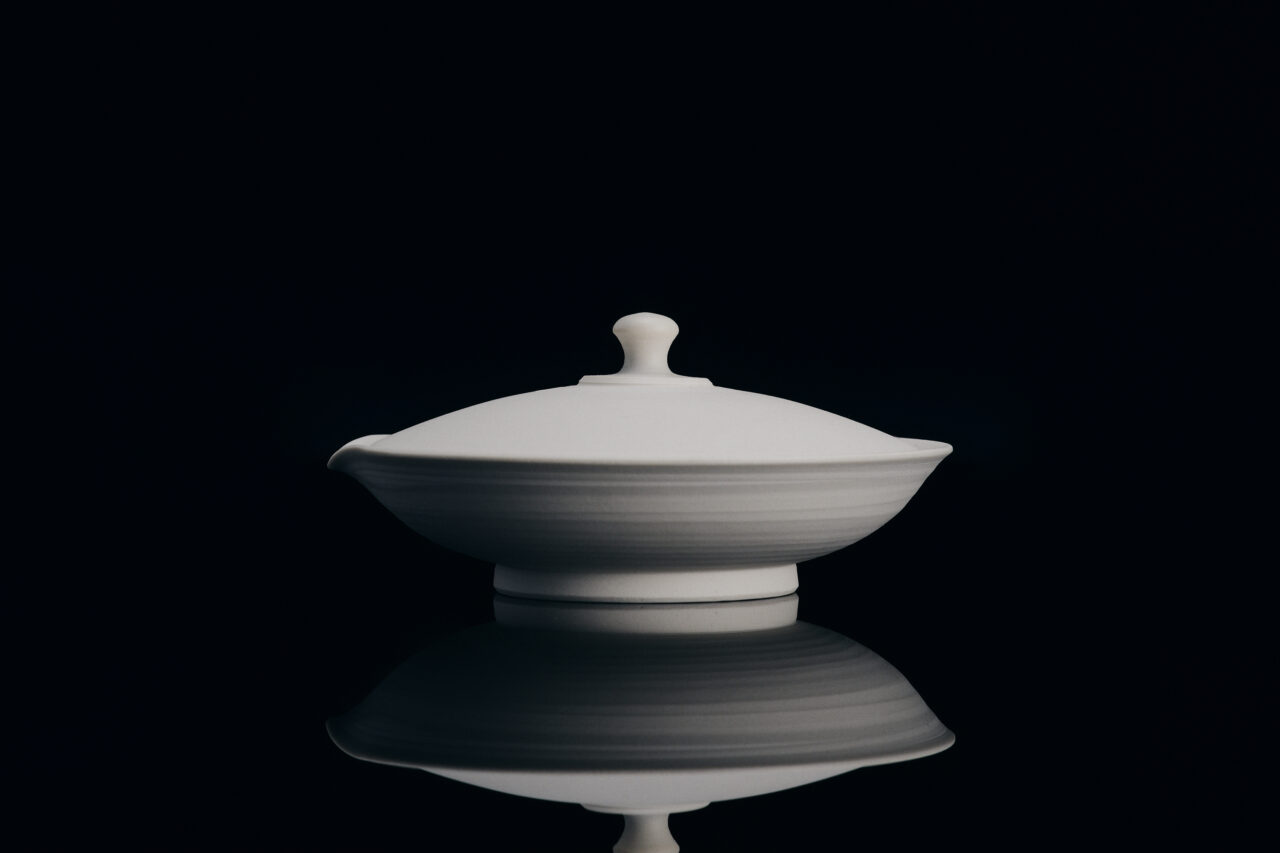
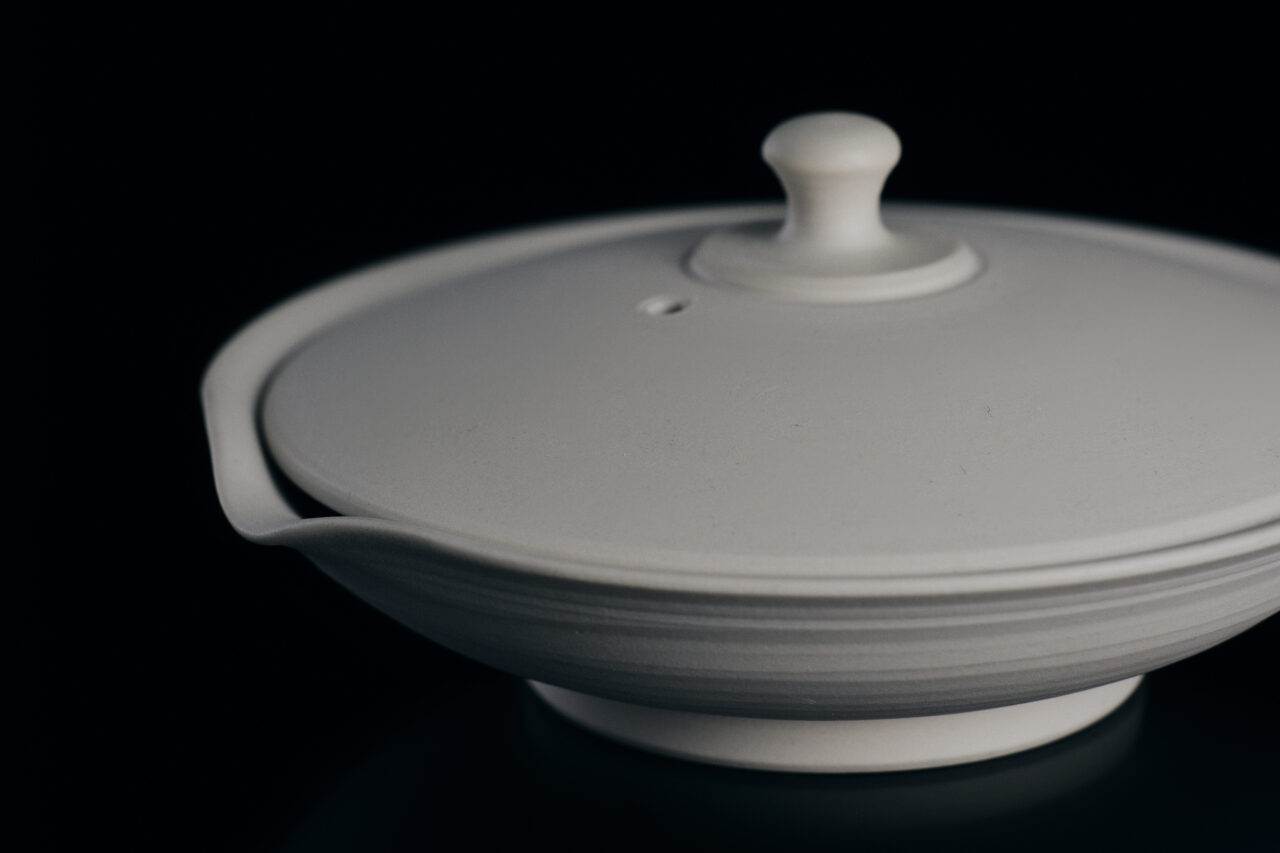
Born into a family of ceramic jar makers in Tokoname, a region long celebrated for its pottery traditions, Junzo Maekawa was deeply influenced and inspired by the work of master teapot craftsman Seiji Ito. He continues to pursue his vision of the ideal teapot that brings together functionality and refined beauty. This work, titled “Shibori-Dashi” exemplifies Junzo’s aesthetic: the gentle softness of the white clay, its subtle matte texture, and the refined, functional form shaped on the wheel all come together in harmony. The shiboridashi, a handleless teapot, is especially suited for brewing Japanese green tea, drawing out its aroma and flavor with clarity. Within its quiet presence lies a poised beauty that blends seamlessly into the rhythm of modern life. Steeping tea in it, one might find the vibrant green of the tea against the white bowl reveals yet another layer of beauty to be savored.