
“Nosou™,” A New Brand Rooted in Natural Materials and Craftsmanship, Unveils Bamboo Lighting Collection
New Products VOL.30
VOL.1-30
Update
VOL.1-65
Update
VOL.1-5
Update
VOL.1-32
Update
VOL.1-8
Update
VOL.1
Update
VOL.1-27
Update
VOL.1-4
Update
VOL.1-3
Update
We share a variety of information and perspectives on Japanese crafts, including exhibition information and interviews.
New Products VOL.30
New Products VOL.29
Featured Exhibitions & Events VOL.65
Editor's Column “The Path of Japanese Crafts” Part2: Modern Society and Kogei VOL.5
Jul 31 – Aug 18, 2026
Sophora
Aug 13 – Aug 25, 2026
Kyoto yamahon
Aug 14 – Aug 29, 2026
HULS GALLERY TOKYO
Aug 15 – Oct 12, 2026
Nezu Museum

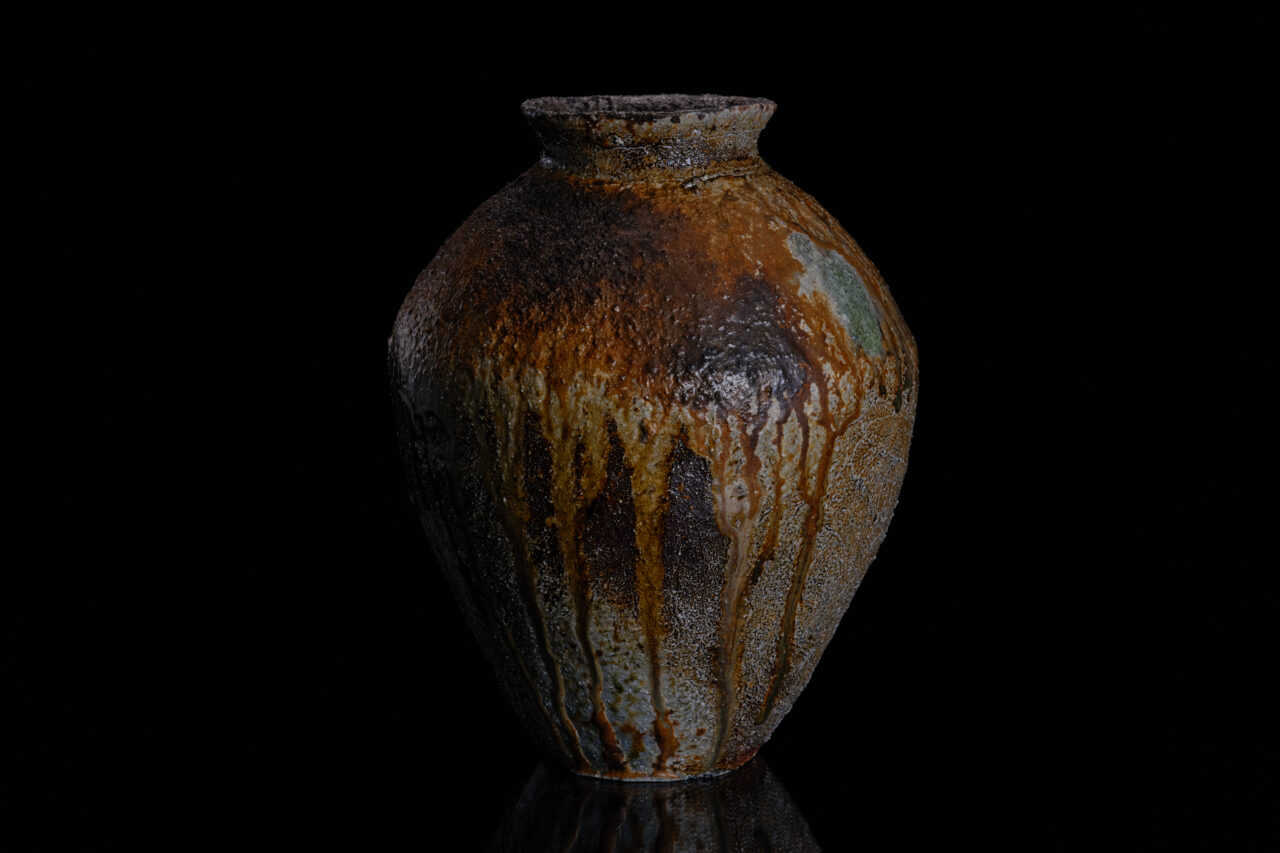
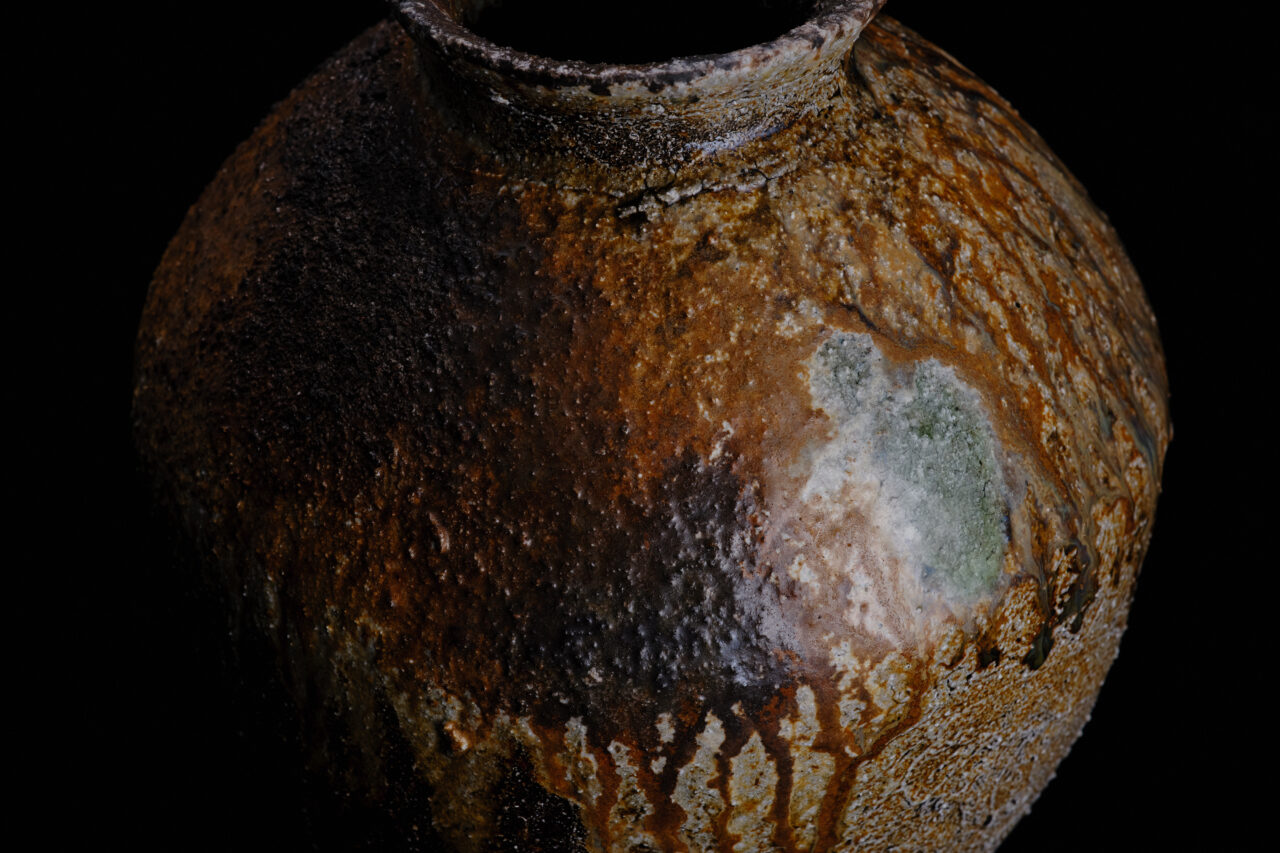
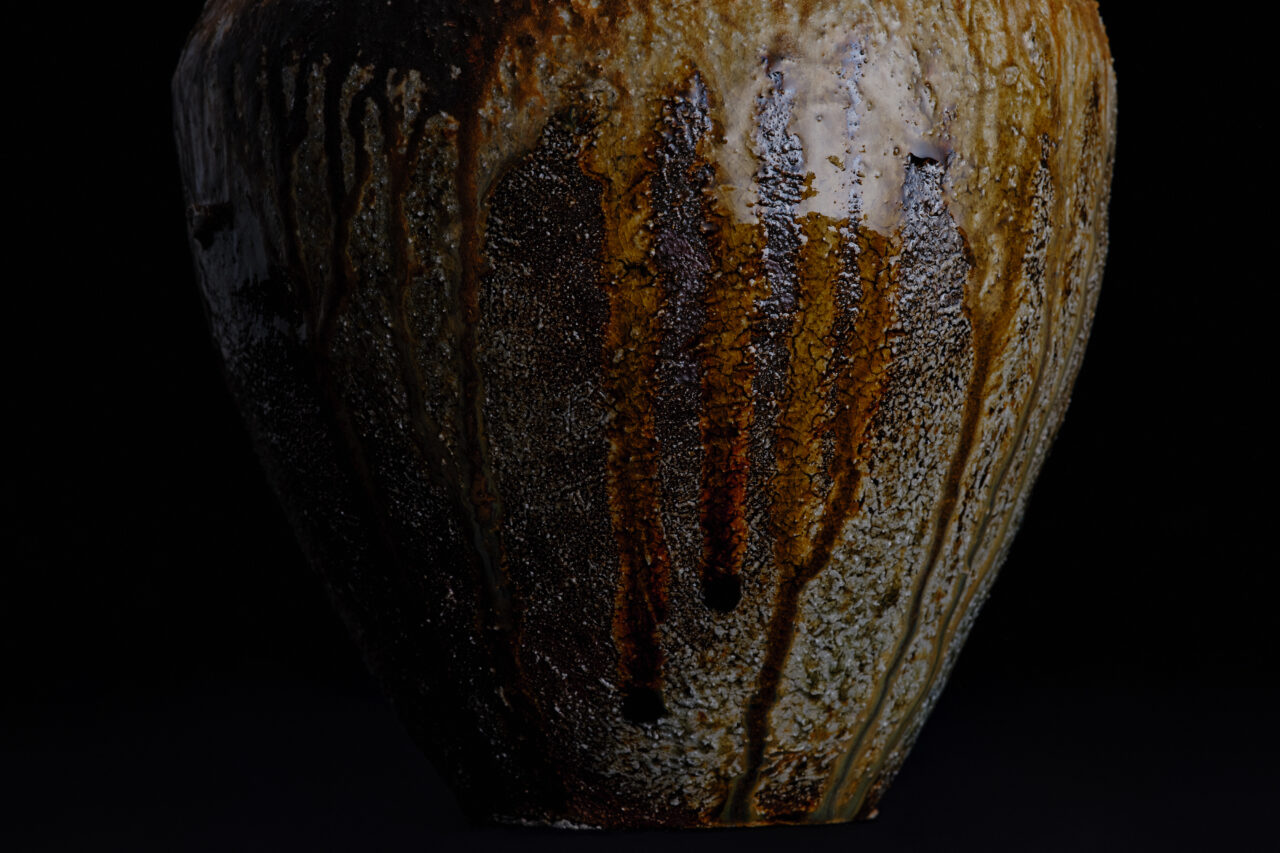
Titled Tanba Jar, this work by Masahiko Imanishi was created using clay from the mountains of Tanba and fired in a ja-gama (literally, “snake kiln”), a traditional long and narrow kiln unique to that region. Masahiko is a ceramic artist with a profound passion for medieval Ko-Tanba ware, especially jars. Reflecting on the materials, wood-fired kilns, and potters of Tachikui who shaped Ko-Tanba ware, he constantly questions the significance of ceramics created in this region by a contemporary artist like himself, while continuing to pursue its beauty. As he says, “The charm lies in the variety of expressions you can see in a single jar.” Indeed, the body of the Tanba Jar showcases diverse colors and textures created by the hai-kaburi process, in which the ashes of the wood transform into a natural glaze, creating a surprisingly different impression depending on the angle from which one views it. The ja-gama, unlike a regular climbing kiln, is lower in height and narrower. The gentle slope of Masahiko’s kiln in particular allows the flames to dance around the pieces, firing them and the earth together, resulting in even more intricate expressions.
As Tanba ware has not been as extensively researched as others among the Six Ancient Kilns of Japan, Masahiko creates his ceramics with the desire to “redefine and recreate Tamba ware in my own way.” When viewing his work, one can strongly sense the unique charm of pottery that can only be found in Tanba.