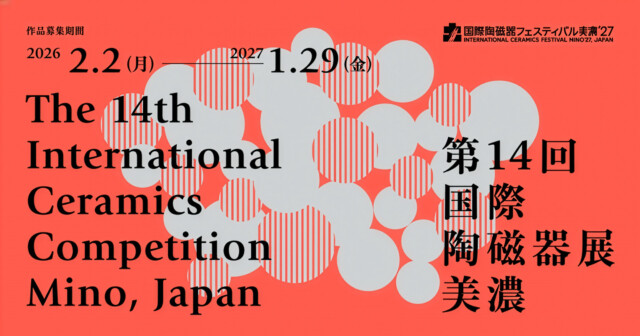
“The 14th International Ceramics Competition Mino, Japan” Opens Call for Entries: Exploring “The Potential of Ceramics”
KOGEI Topics VOL.28
VOL.1-28
Update
VOL.1-8
Update
VOL.1-53
Update
VOL.1-26
Update
VOL.1
Update
VOL.1-4
Update
VOL.1-27
Update
VOL.1-4
Update
VOL.1-3
Update
VOL.1
Update
VOL.1-32
Update
VOL.1-12
Update
VOL.1
Update
We share a variety of information and perspectives on Japanese crafts, including exhibition information and interviews.
KOGEI Topics VOL.28
VOICE VOL.8
Featured Exhibitions & Events VOL.53
New Products VOL.26
Apr 3 – Apr 15, 2026
HULS GALLERY TOKYO
Apr 3 – Jun 21, 2026
TOGURI MUSEUM OF ART
Apr 4 – Jun 28, 2026
SEN-OKU HAKUKOKAN MUSEUM
Apr 5 – Apr 10, 2026
KAKIDEN GALLERY

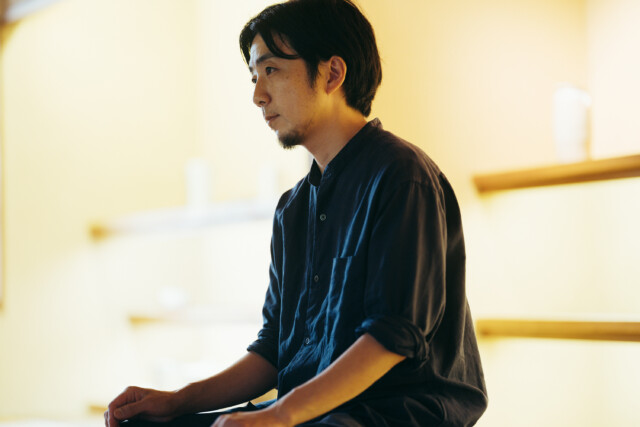
Hagi ware originated in the Azuchi-Momoyama period (1573-1603), when potters were invited to Japan from the Korean Peninsula. Over time, many craftsmen moved to the Sonose area and built kilns there, and the Fukawa kilns of Hagi ware were established as the official kilns of the Hagi domain. Today ceramic artist Takao Tahara continues to engage with his own vision of Hagi ware at this long-established kiln, drawing on its rich history.
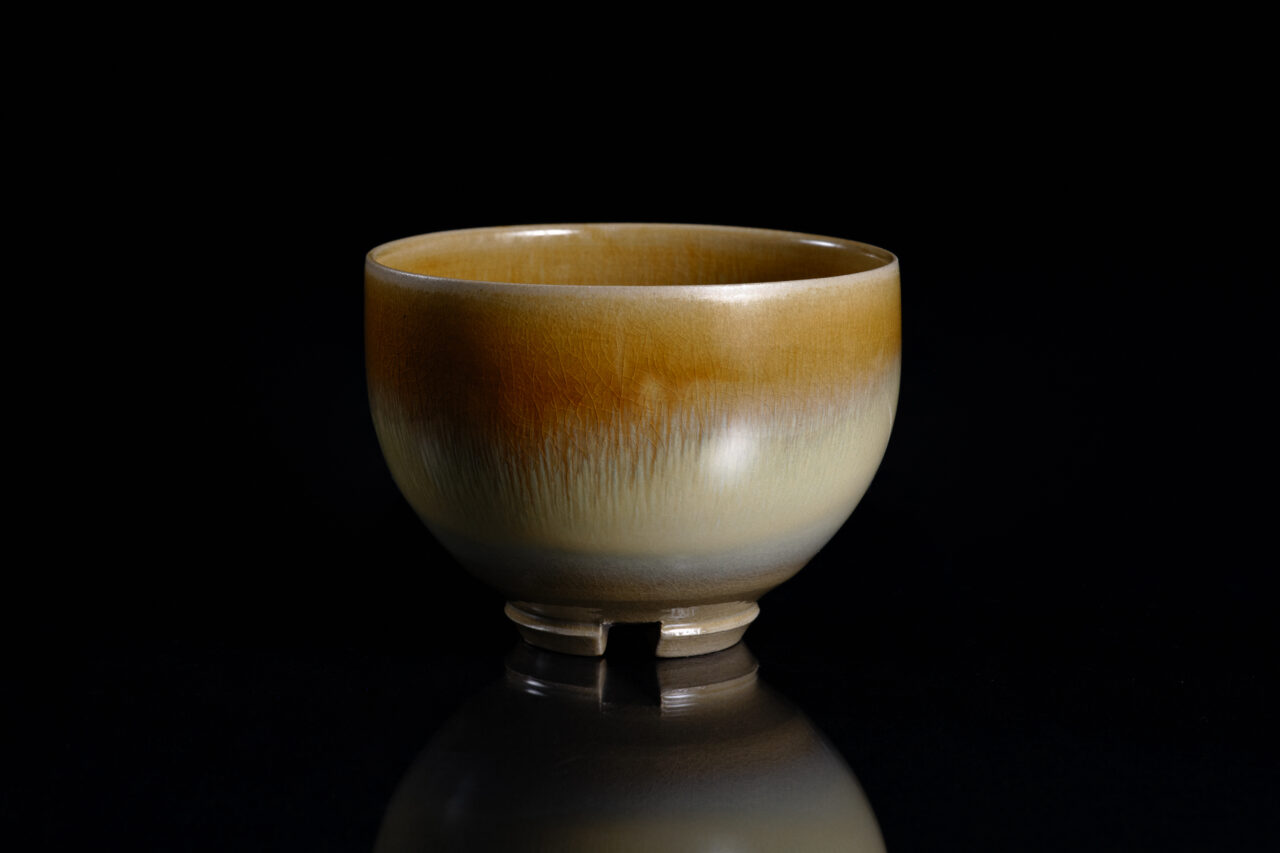
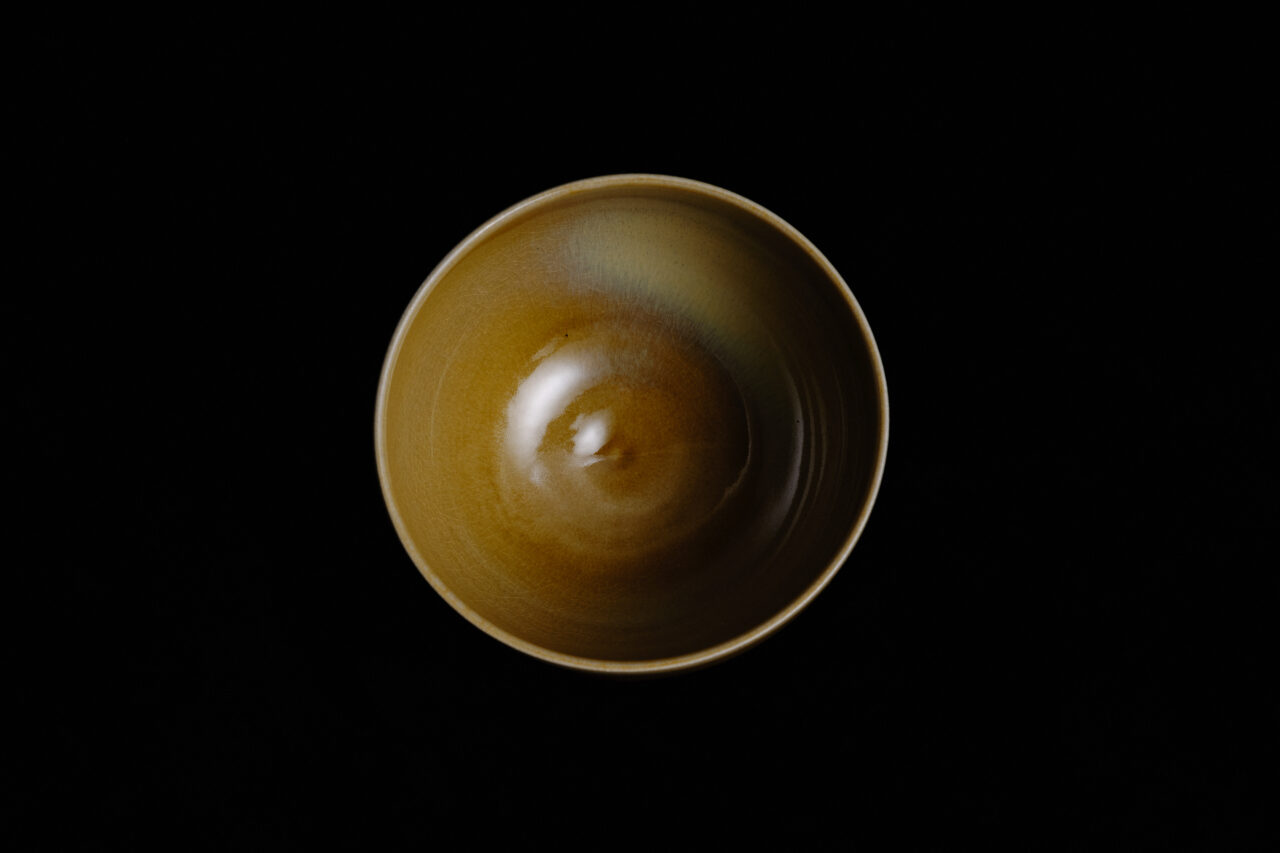
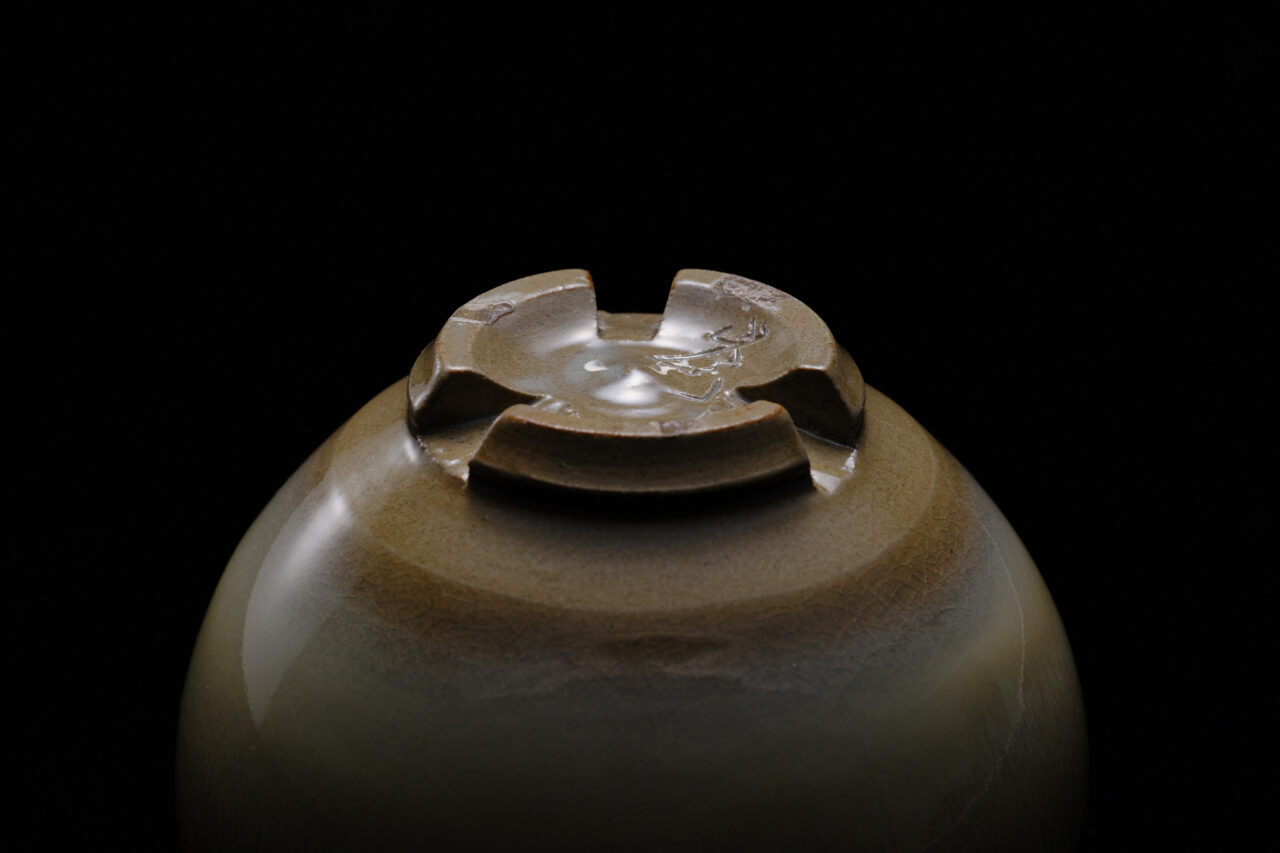
Takao’s current focus, Ryuhaku glaze, is a unique creation inspired by ancient ceramic fragments found at the historic Sonose kiln site, born from his experimentation with different glaze formulations. He layers glazes made with straw ash and pine ash over the Daido-tsuchi clay of Hagi, creating a natural yet bold shift in color from brown to pale green. The elegant shape, which beautifully showcases the fine vertical streaks of the flowing glaze, is solidly supported by the kiri-kodai or “cut foot” of the bowl, one of the characteristic features of Hagi ware.
Fragments of ceramics still found today at the remnants of old kilns in Hagi reveal pieces that differ from the traditional images of Hagi ware. This reflects the unwavering history and depth of the Hagi ware tradition, which has always embraced new styles as they emerge with the times. The new vision of Hagi ware Takao brings to life is sure to shape the history that lies ahead.