
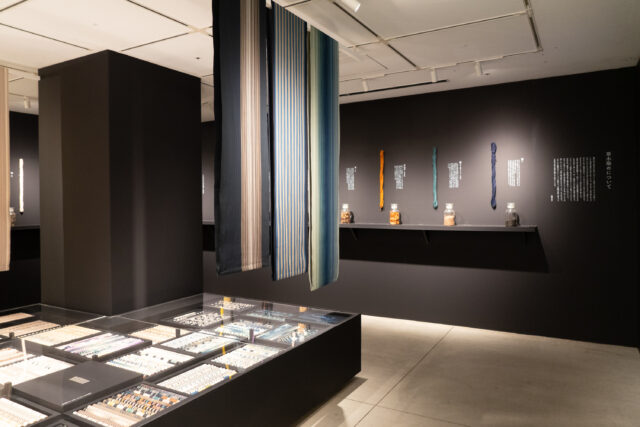
“A Feast for the Eyes: Tableware” Will Be Held at the Suntory Museum of Art
Featured Exhibitions & Events VOL.64
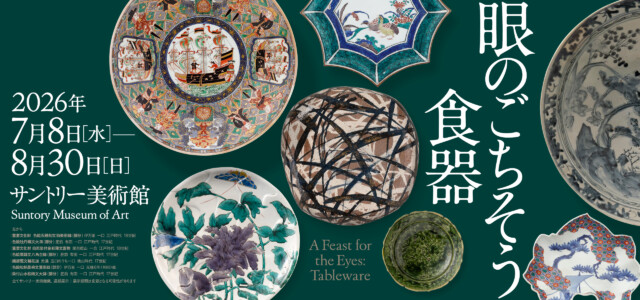
VOL.1-64
Update
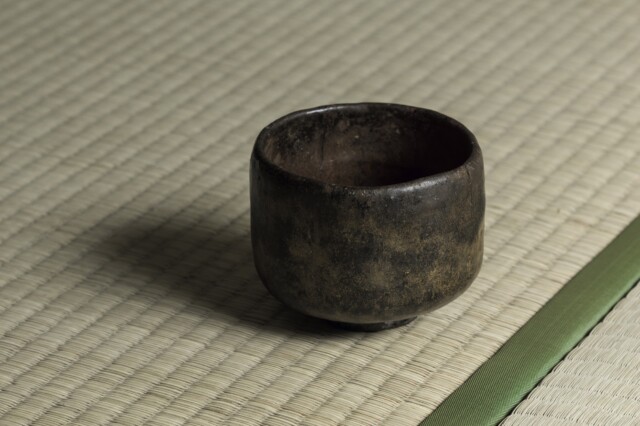
VOL.1-32
Update
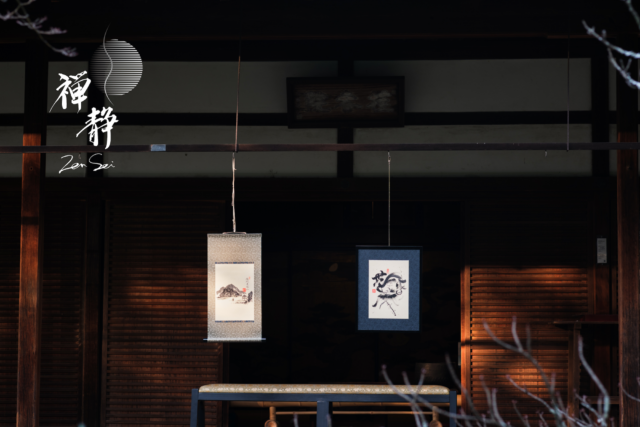
VOL.1-28
Update

VOL.1-8
Update
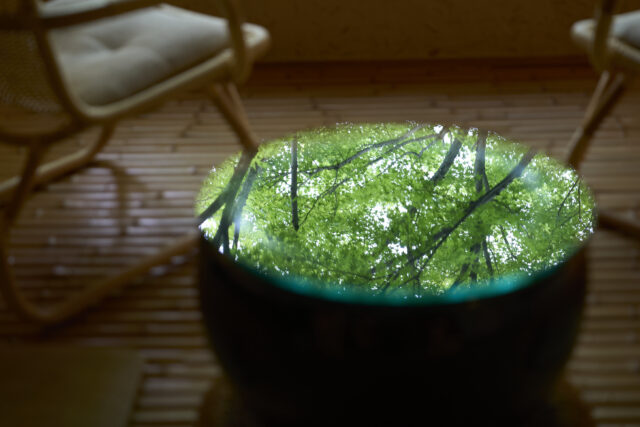
VOL.1
Update
VOL.1-4
Update
VOL.1-27
Update

VOL.1-4
Update
VOL.1-3
Update
We share a variety of information and perspectives on Japanese crafts, including exhibition information and interviews.
Featured Exhibitions & Events VOL.64
KOGEI Topics VOL.32
KOGEI Topics VOL.31
New Products VOL.28
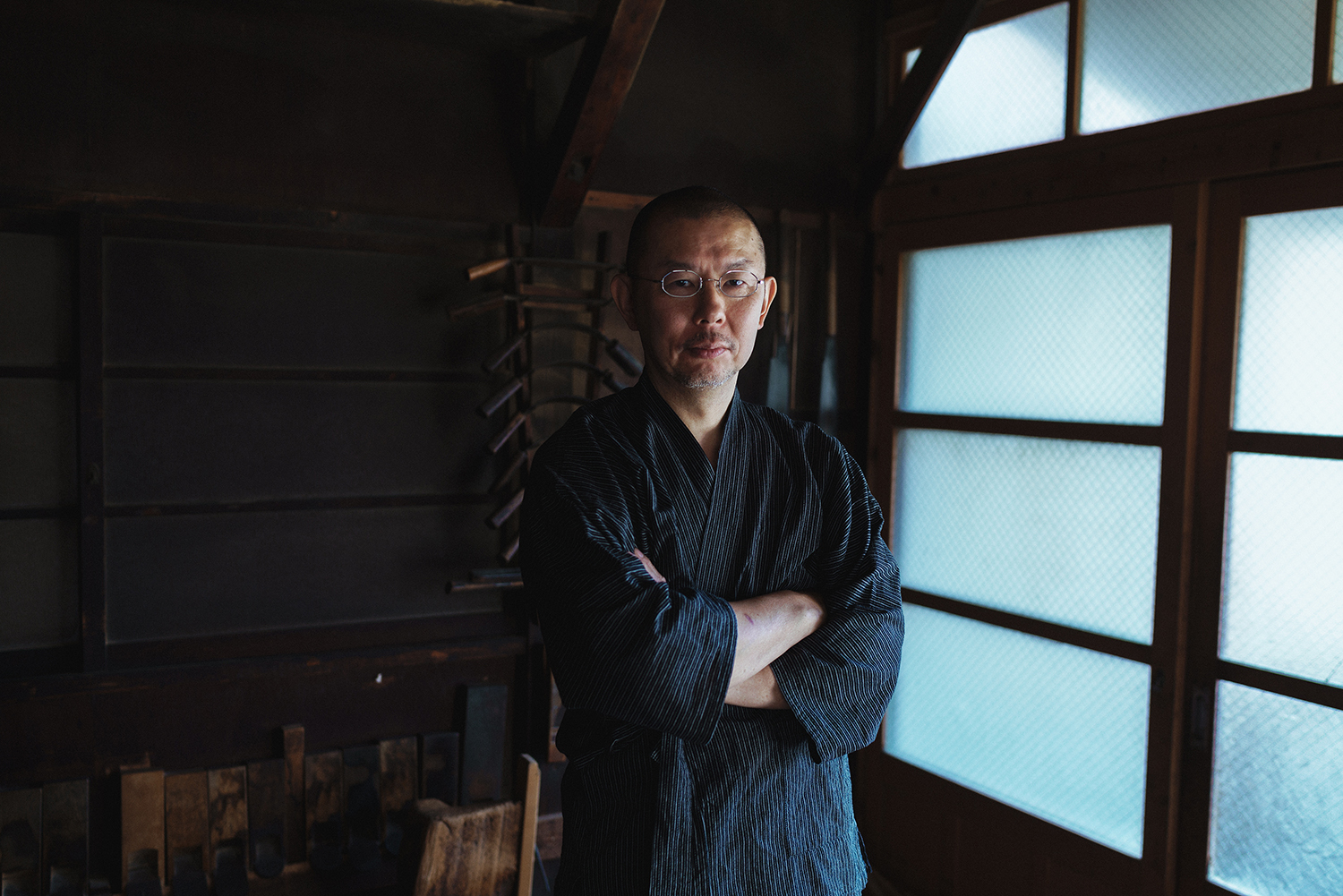
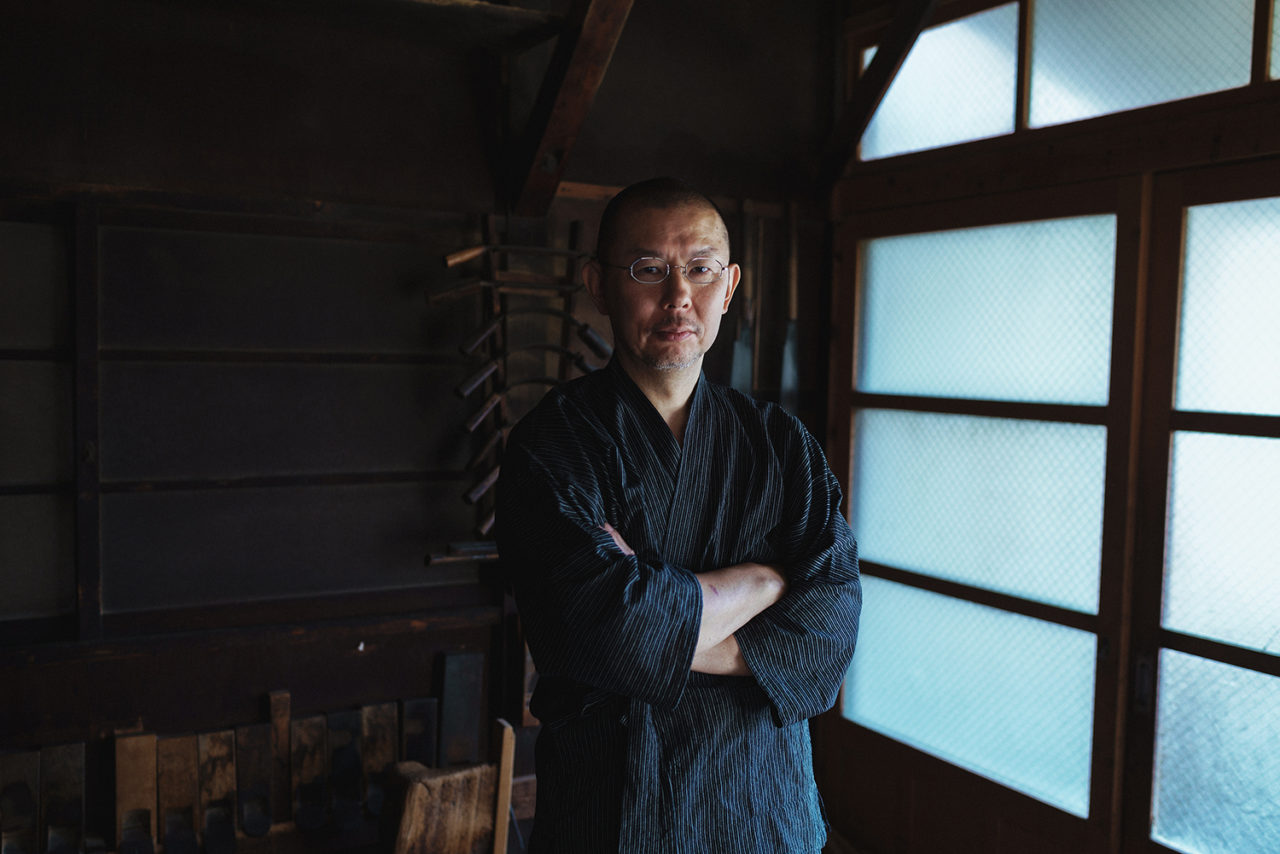
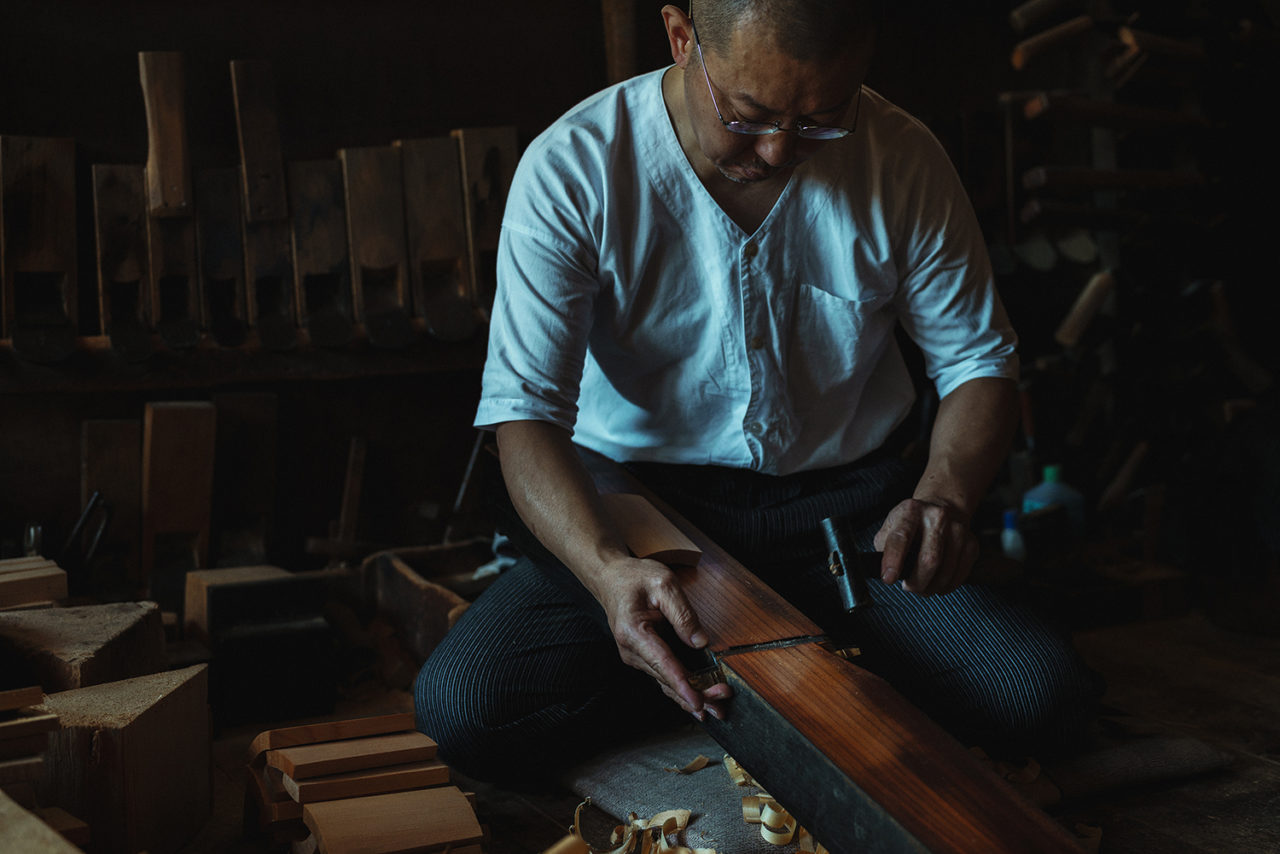
Eifu Kawamata is the 4th generation of “Okeei” who inherited the manufacturing of the Edo wooden tub since the Meiji era. He did not aspire to become an artisan when he was a child, but he started to have an interest in art and the Japanese culture during his university days. After graduating from university, he worked in the usual corporation, but in 1985 he started to walk the path of an artisan under his father. Making a tub using the Okeei way is based on using traditional techniques which has remained unchanged for over a few hundred years. Artisans carefully repeat over 70 processes, which results in a high-quality product. A tub has a simple shape, so the choosing of materials and technical skills directly affects the outcome of whether the product is good or bad. The turning point for Eifu was when he uses nickel silver hoop to tie the tub. Typically, copper or bamboo are used to make the hoops but by using nickel silver which has strength and beauty, he had achieved his own unique design and had given a “face” to Okeei. In 2007 he succeeded the business as the 4th generation. While he continues his pursuit of technology, more importantly, he continues with his works as a craftsman. He said, “I hope to create a beauty which is born from simplifying the form”. His words show the strong will of an artisan who inherited a tradition.