GO FOR KOGEI to Present an Exhibition Concurrent with La Biennale di Venezia
Featured Exhibitions & Events VOL.54

VOL.1-54
Update
VOL.1-29
Update

VOL.1-8
Update

VOL.1-26
Update
VOL.1
Update
VOL.1-4
Update
VOL.1-27
Update
VOL.1-4
Update
VOL.1-3
Update
VOL.1
Update
VOL.1-32
Update
VOL.1-12
Update
VOL.1
Update
We share a variety of information and perspectives on Japanese crafts, including exhibition information and interviews.
Featured Exhibitions & Events VOL.54
KOGEI Topics VOL.29
KOGEI Topics VOL.28
VOICE VOL.8
Apr 17 – Apr 28, 2026
Tosei Kyoto Gallery
Apr 18 – Apr 26, 2026
Gallery & Chanoyu RIGAN
Apr 18 – Apr 26, 2026
TOBETOBEKUSA
Tokyo
Apr 24 – Apr 29, 2026
Ginza Nichi-Nichi
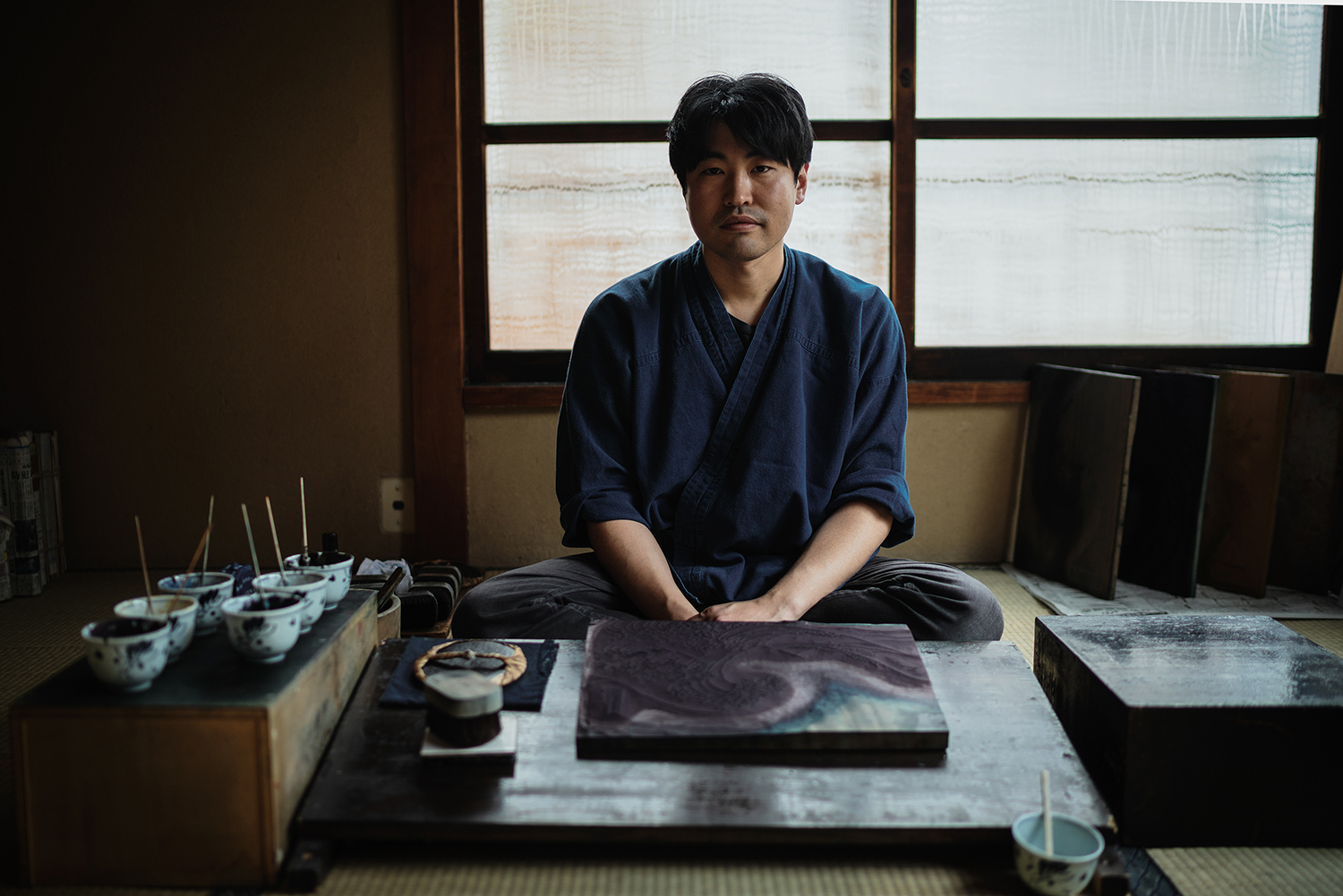
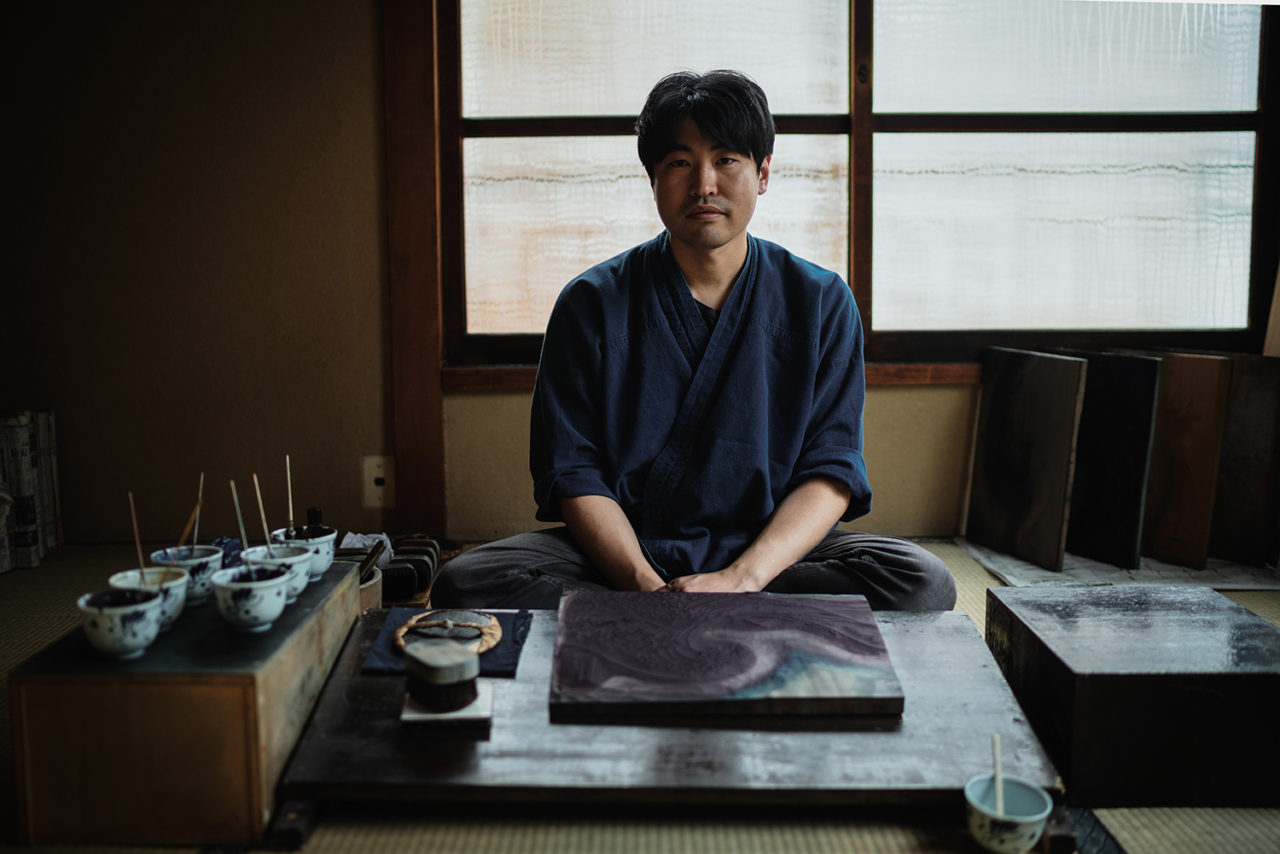
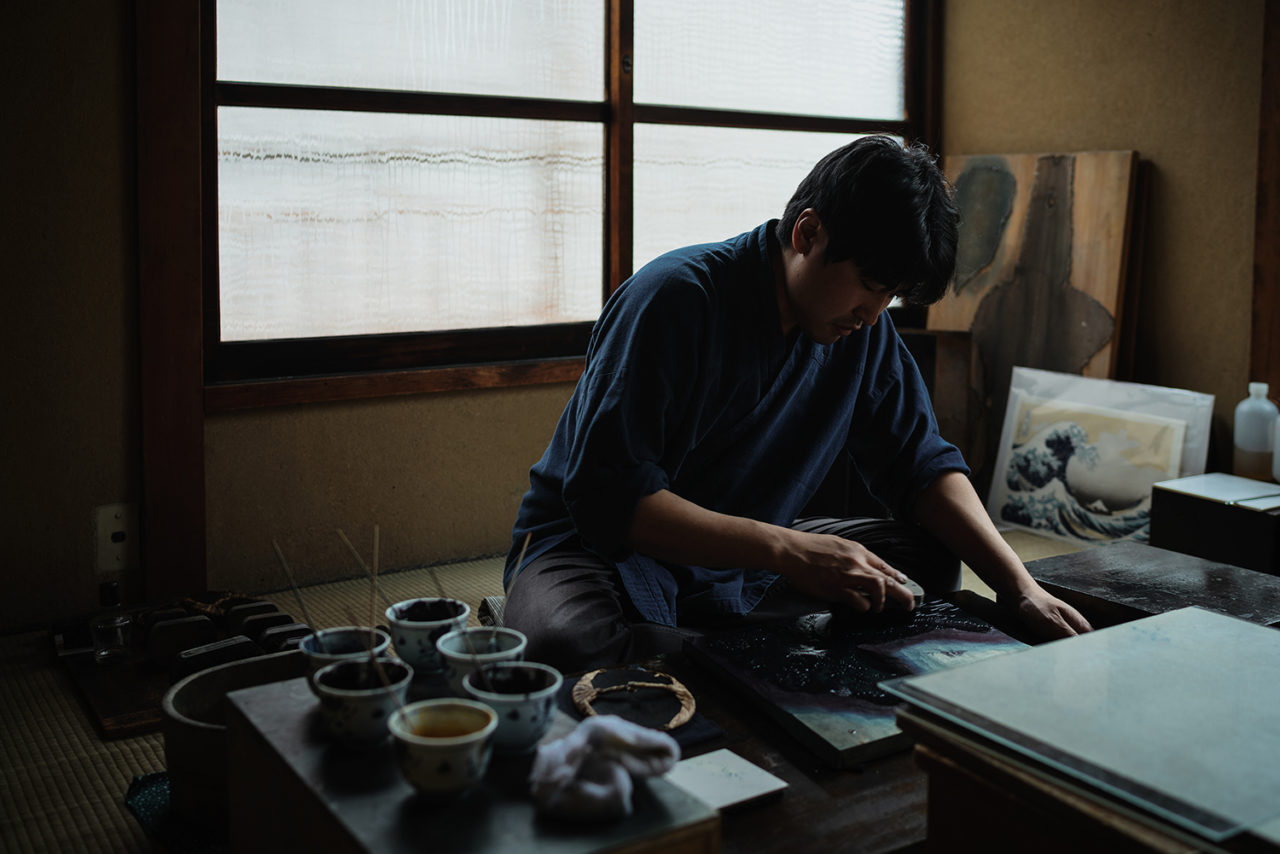
Mix the paint and apply it on the woodblock. Place the Japanese washi (paper) carefully on the block and use the baren (a flat pad) to rub the washi. After these processes and with bated breath, Mr. Noriyasu Soda quickly pulls the washi off from the wood block, on which a beautiful color with deep perspectives appears. “Although it is just transferring colors onto paper, depending on the artisan’s skills, a sense of perspective and composition could be shown on the print. I feel good when the expressions of each color makes perfect balance in a single print”, Noriyasu said with a laugh. After graduating from an art college he had worked in building restoration. However, he was attracted by the history of ukiyo-e which is unique to Tokyo, and subsequently entered Takahashi Kobo, Inc. and worked as a “surishi” or printer. The trust and confidence that the CEO Ms. Yukiko Takahashi has in Mr. Noriyasu Soda has led him to perform printing demonstrations overseas on behalf of the company. There are a variety of techniques of Edo woodblock printing and above all, the gradation technique called “bokashi” is especially difficult where the slightest gap makes the difference between success and failure. Noriyasu said, “I just do my best for what lies right in front of me”. The figure of a craftsman who is sincere in his daily work is reflected in his gentle mien.