“The 14th International Ceramics Competition Mino, Japan” Opens Call for Entries: Exploring “The Potential of Ceramics”
KOGEI Topics VOL.28
VOL.1-28
Update
VOL.1-8
Update
VOL.1-53
Update
VOL.1-26
Update
VOL.1
Update
VOL.1-4
Update
VOL.1-27
Update
VOL.1-4
Update
VOL.1-3
Update
VOL.1
Update
VOL.1-32
Update
VOL.1-12
Update
VOL.1
Update
We share a variety of information and perspectives on Japanese crafts, including exhibition information and interviews.
KOGEI Topics VOL.28
VOICE VOL.8
Featured Exhibitions & Events VOL.53
New Products VOL.26
Apr 3 – Apr 15, 2026
HULS GALLERY TOKYO
Apr 3 – Jun 21, 2026
TOGURI MUSEUM OF ART
Apr 4 – Jun 28, 2026
SEN-OKU HAKUKOKAN MUSEUM
Apr 5 – Apr 10, 2026
KAKIDEN GALLERY

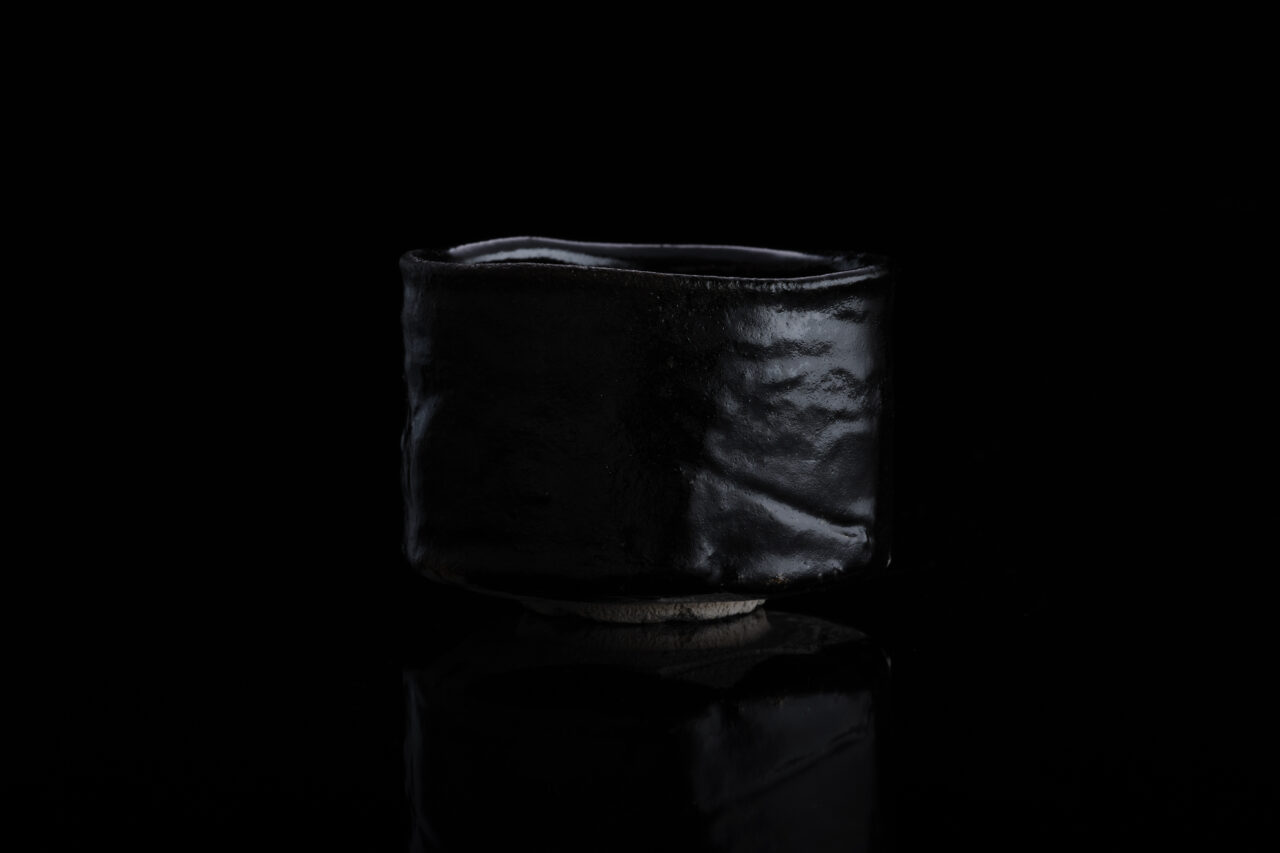
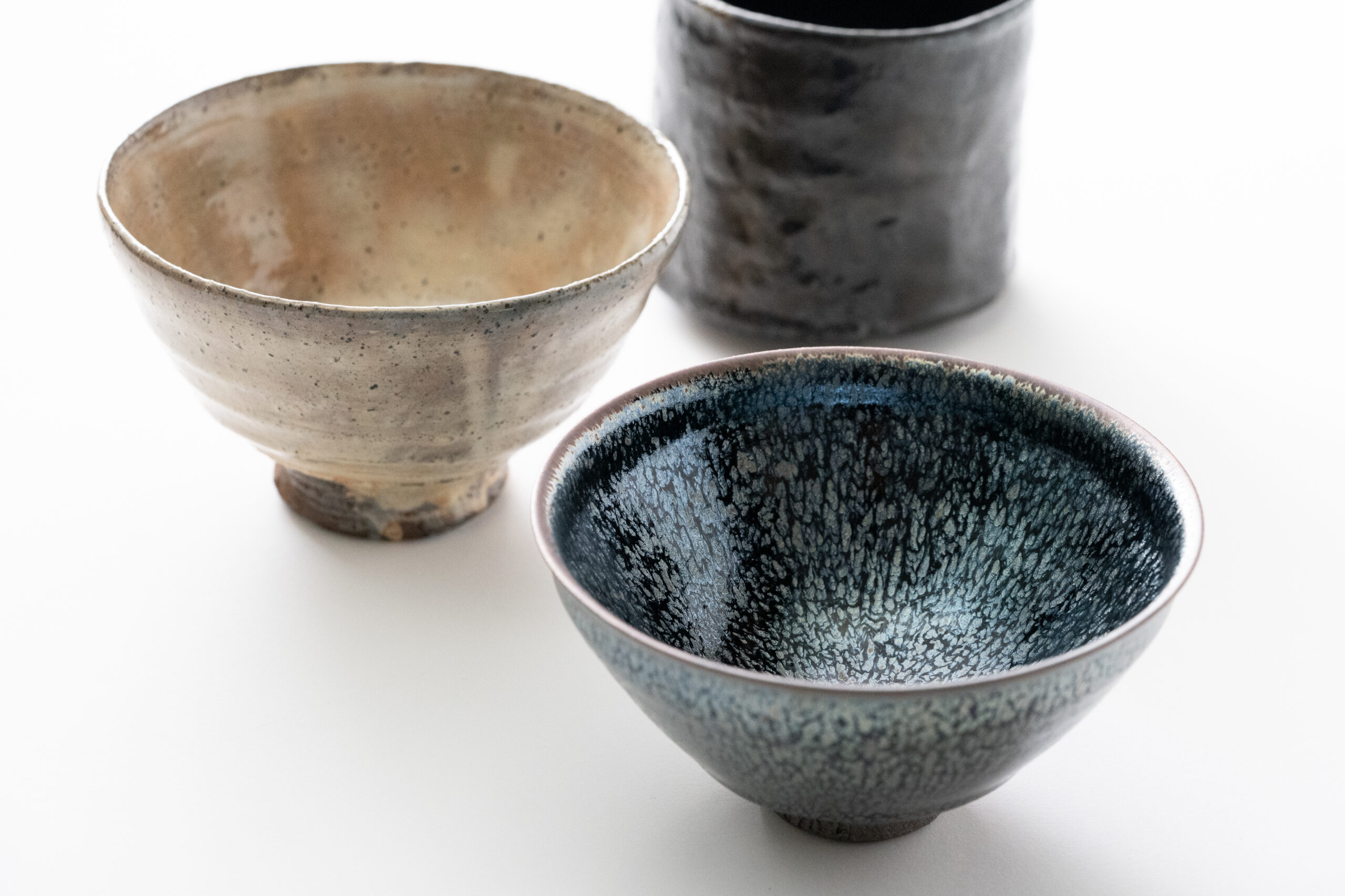
An overwhelming presence, as if you can feel the heat of the flame behind its neat appearance. Created by ceramic artist Ryotaro Kato, the jet-black luster known as hikidashi-guro is both serene and passionate, with a strong sense of power that draws in the viewer.
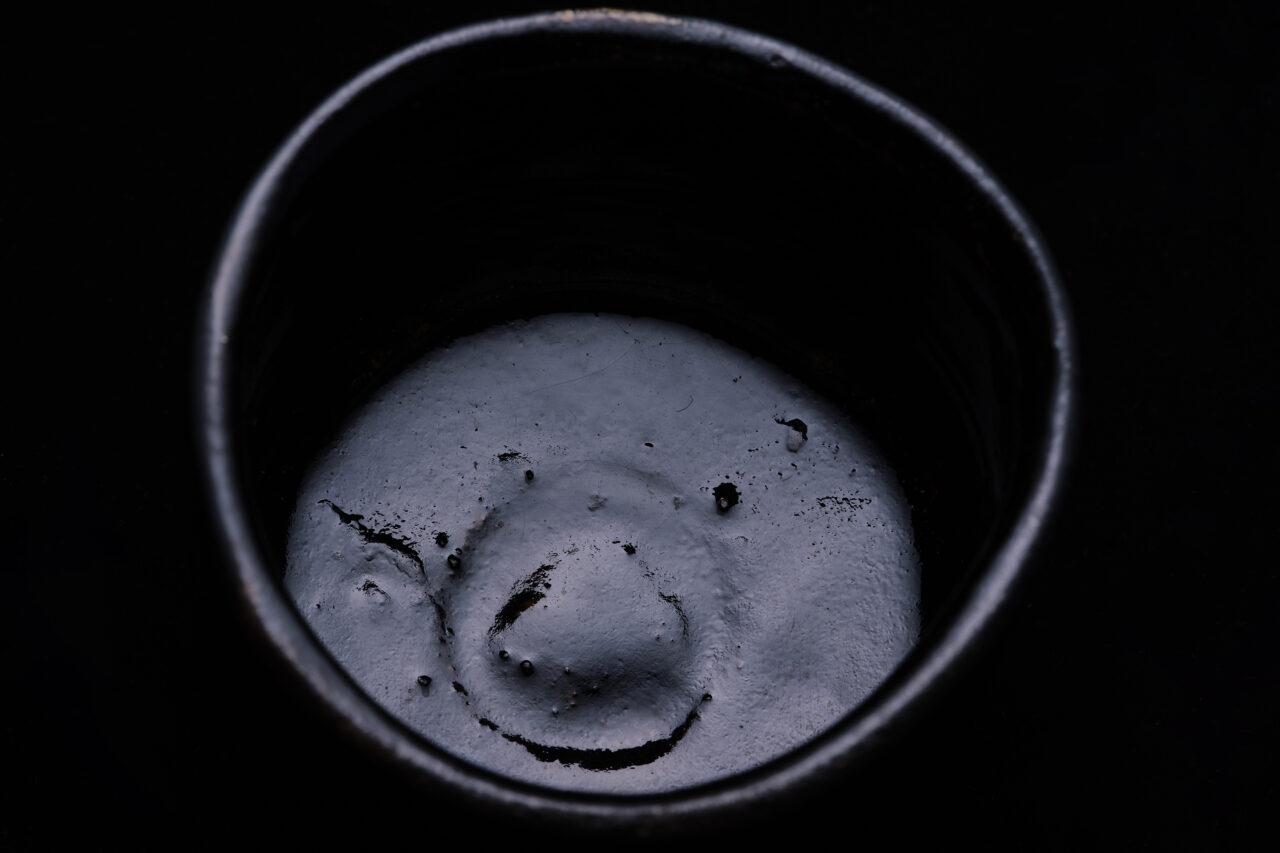
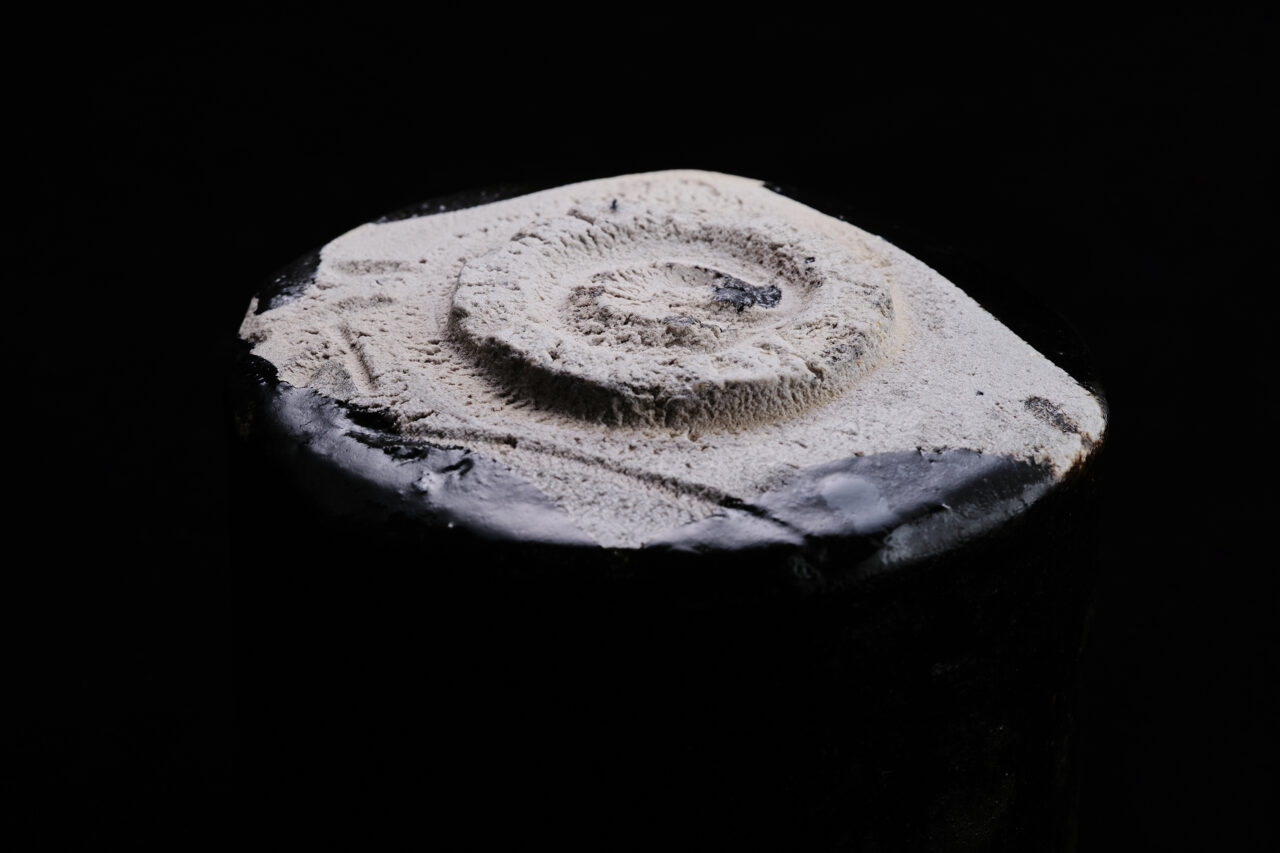
The black luster of the hikidashi-guro appears when the piece is pulled out (in Japanese, “hikidashi”) of the burning kiln and cools rapidly. The ability to grab and pull out a piece from the scorching flames carefully yet without hesitation, like the power of concentration to discern the moment, is not an ordinary thing, but has been cultivated through long experience, repeated firings in a wood-burning kiln. Well-versed in the art of the tea ceremony, Ryotaro created this tea bowl with Mino clay specially selected for hikidashi-guro and fired in a dedicated ana-gama or cave kiln. Emerging glossy black as if the inside of the bowl was wet, the contrast with the neat white clay surface of the kodai, or foot of the bowl, is beautiful.
Mino-Momoyama ware is a unique Japanese pottery with a long history that developed along with the tea ceremony in the Azuchi-Momoyama period (1573-1603). Enjoy a bowl of tea to your heart’s content in this modern-day beauty of Japan, created by an artist who carries on the traditional ceramic art of the region.