Komatsu and Kaga, Ishikawa Prefecture
Travel Guide VOL.1
VOL.1
Update
VOL.1-27
Update
VOL.1-25
Update
VOL.1-52
Update
VOL.1-4
Update
VOL.1-27
Update
VOL.1-4
Update
VOL.1-3
Update
VOL.1
Update
VOL.1-7
Update
VOL.1-32
Update
VOL.1-12
Update
VOL.1
Update
We share a variety of information and perspectives on Japanese crafts, including exhibition information and interviews.
Travel Guide VOL.1
KOGEI Topics VOL.27
New Products VOL.25
New Products VOL.24
Mar 6 – Mar 16, 2026
SHIROKANEDAI AMAHARE
Mar 6 – Mar 21, 2026
HULS GALLERY TOKYO
Mar 11 – Mar 16, 2026
Nihonbashi Mitsukoshi
Mar 13 – Mar 28, 2026
Tosei Kyoto Gallery

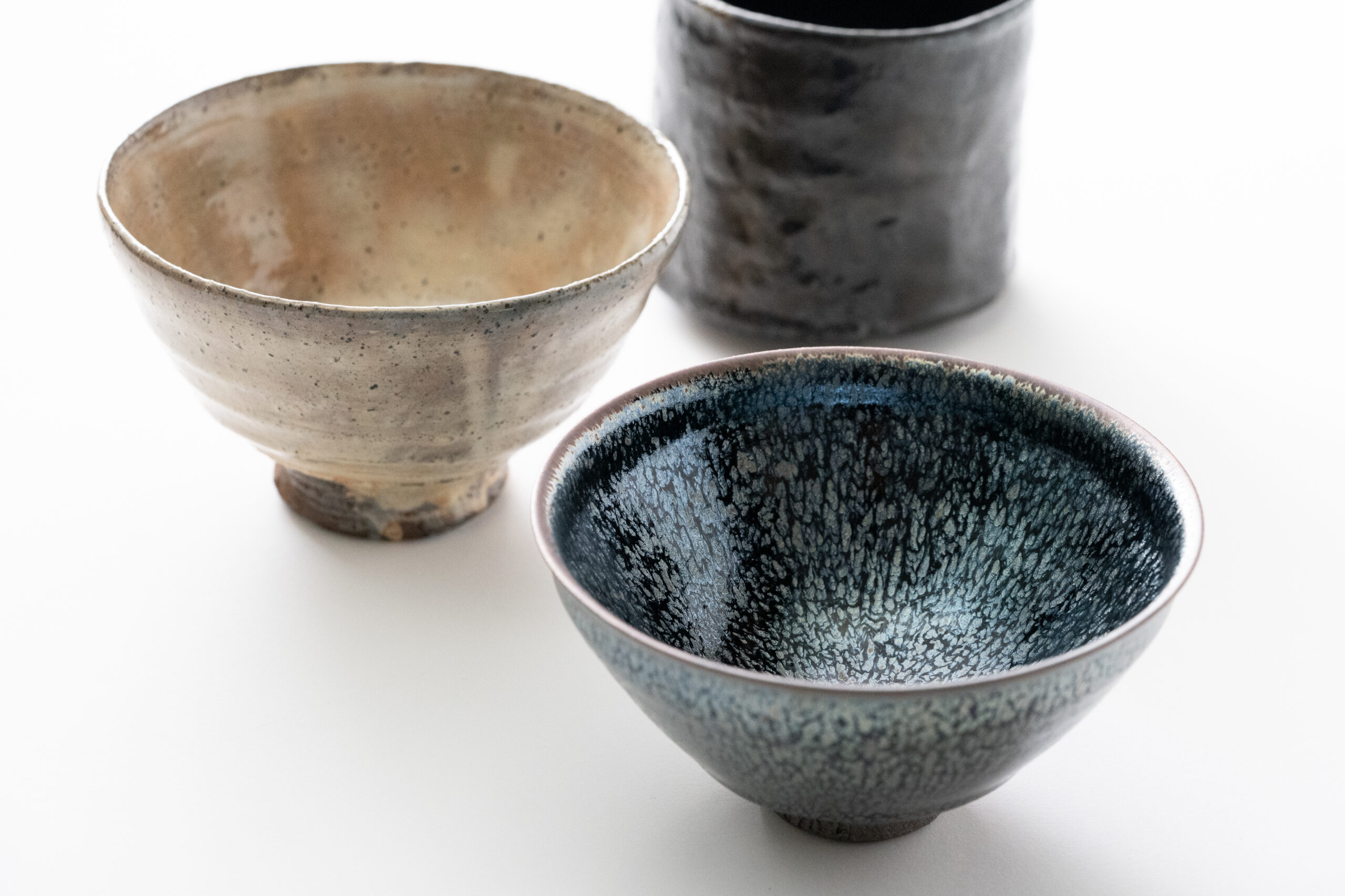
In Japan, iron-glazed ceramics were first fired in Seto, Aichi Prefecture during the Kamakura period (1185-1333). With the flourishing of the tea ceremony, iron-glazed tea bowls, flower vases, and other tea utensils spread widely and came to be produced in many regions of Japan. These glazes came in a wide range of colors and textures, from light yellowish brown to deep black, depending on the amount of iron contained in the glaze and the firing procedure.
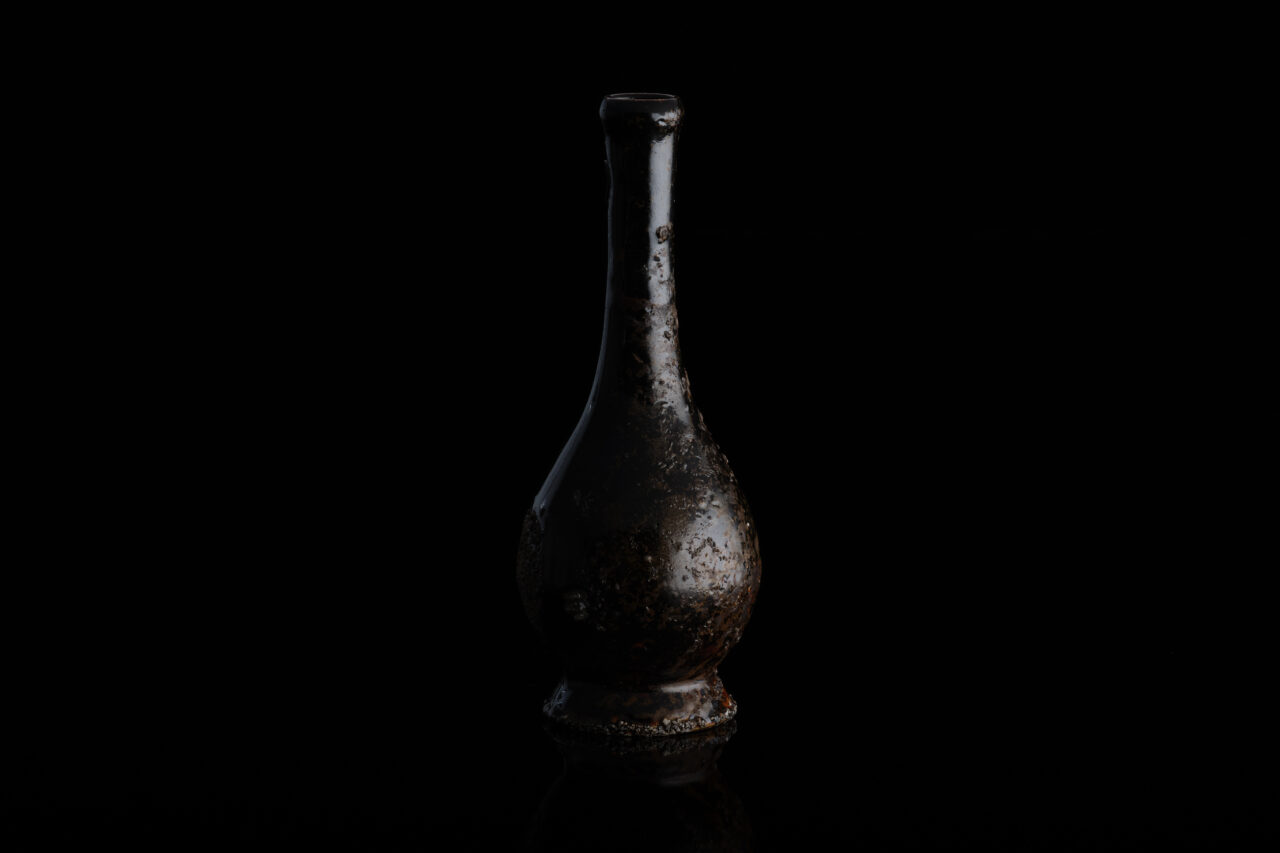
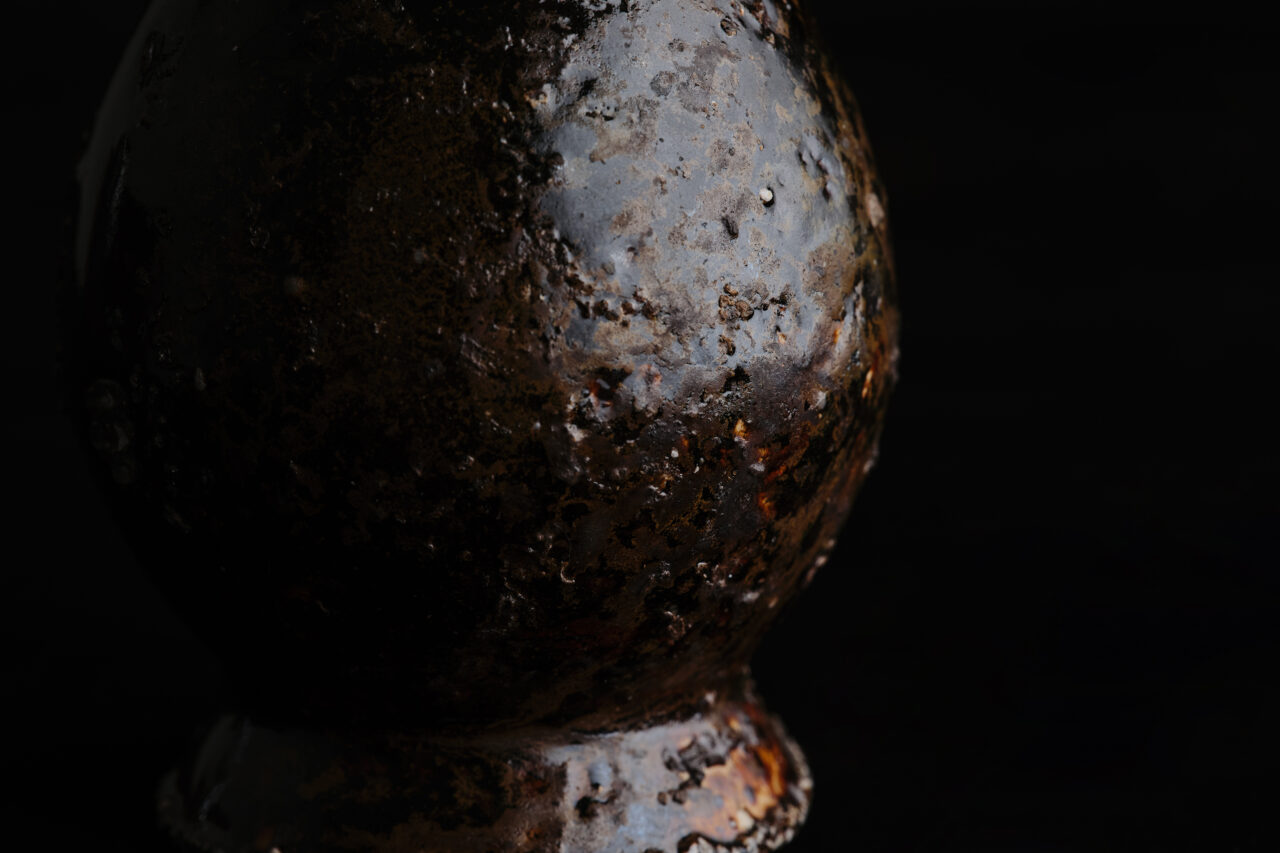
Hiroyumi Suzuki’s works in a wide range of styles, from Joseon-style ware such as Kohiki and Mishima to Momoyama ware. His iron-glazed works are incredibly complex, with an astonishing variety of expressions contained within a single piece. The smooth neck and shoulders are covered in a glossy black, while the rounded body and foot vividly show burnished brown and ishi-haze or “stone bursts”. The texture of the rough Iga clay can be appreciated directly, as it is left unglazed in places due to being fired lying on its side in the kiln.
Imagining the flames running in the nobori-gama climbing kiln and the ashes dancing in the air, Hiroyumi created this iron-glazed flower vase with extraordinary attention to detail from the time it was packed into the kiln all through the long firing process. Standing out among the many people working with iron glaze, the artist’s individuality and essence come through clearly in this profound and powerful work.