
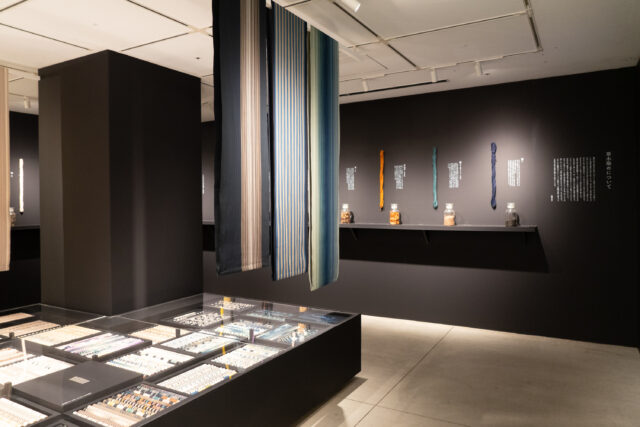
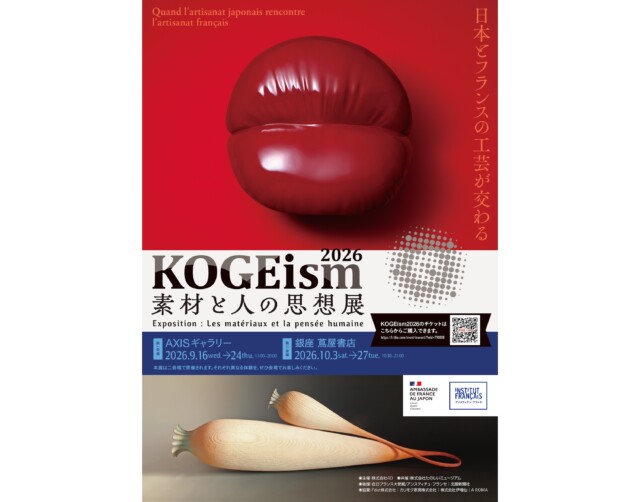
“KOGEism 2026 – Exposition: Les matériaux et la pensée humaine” Featuring Craft Artists from Japan and France, Will Be Exhibited at AXIS Gallery in Roppongi and Ginza Tsutaya Books
Featured Exhibitions & Events VOL.67
VOL.1-67
Update
VOL.1-30
Update
VOL.1-5
Update
VOL.1-32
Update
VOL.1-8
Update
VOL.1
Update
VOL.1-27
Update
VOL.1-4
Update
VOL.1-3
Update
We share a variety of information and perspectives on Japanese crafts, including exhibition information and interviews.
Featured Exhibitions & Events VOL.67
Featured Exhibitions & Events VOL.66
New Products VOL.30
New Products VOL.29
Sep 12 – Nov 23, 2026
Mitsui Memorial Museum
Sep 18 – Sep 27, 2026
megumu art
Sep 19 – Sep 27, 2026
Ceramic gallery TOBETOBEKUSA
Sep 19 – Sep 27, 2026
Aizuya

Tanba ware is one of Japan’s Six Ancient Kilns, with a history that dates back to the medieval period. Even today, kiln workshops continue to form clusters along valleys surrounded by mountains and flowing rivers. Ceramic artist Masahiko Imanishi, while deeply conscious of this long-standing tradition, pursues his own unique artistic expression. Though he once left his hometown, he returned to Tanba and repeatedly visited ancient kiln sites tucked away in the mountains. There, he reflects on the landscapes once seen by medieval potters, creating works that remain deeply rooted in the clay, the techniques, and the forms of Tanba.
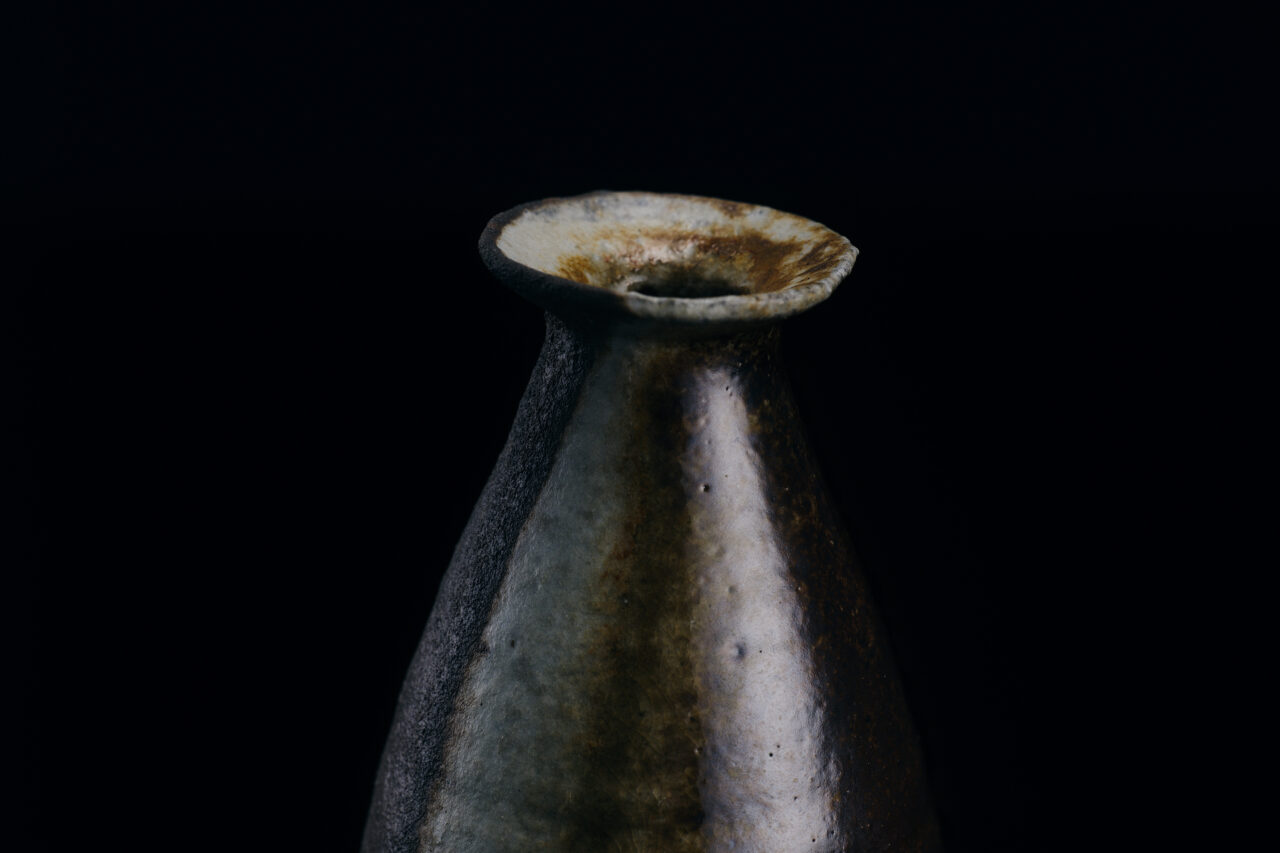
Tanba has long produced a wide variety of tokkuri sake flasks. This particular piece is called a rakkyo tokkuri after the Japanese scallion called rakkyo, known for its plump round body and tapered neck. The piece’s gently flared rim also reflects a hallmark of Tanba ware. Slowly fired in a traditional ja-gama (literally, “snake kiln,” a type of climbing kiln shaped like an elongated snake) unique to this region, the flask features powerful black scorch marks overlaid on the natural ash glaze, bringing out the full character of the local clay. In this piece one can feel the sincere efforts of an artist reinterpreting Tanba ware for the present day, while remaining firmly grounded in the spirit of its birthplace.