
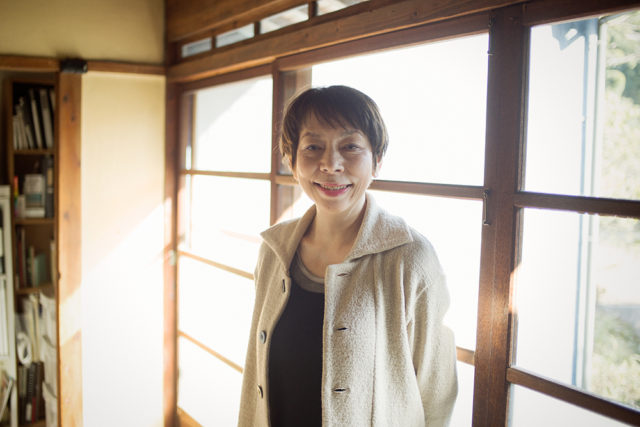
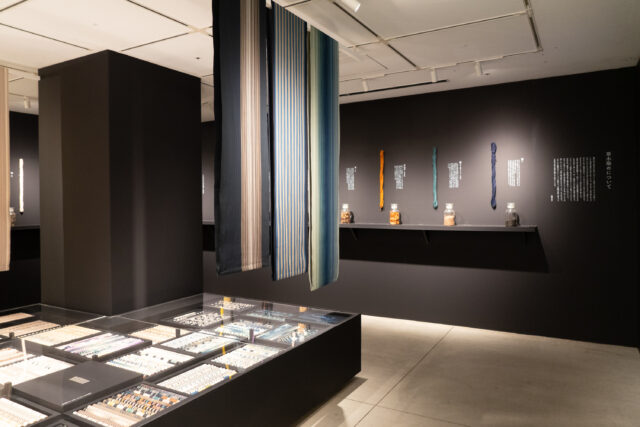
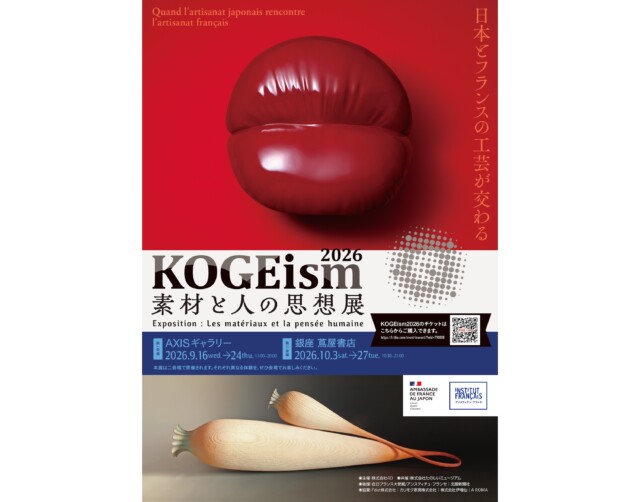
“KOGEism 2026 – Exposition: Les matériaux et la pensée humaine” Featuring Craft Artists from Japan and France, Will Be Exhibited at AXIS Gallery in Roppongi and Ginza Tsutaya Books
Featured Exhibitions & Events VOL.67
VOL.1-67
Update
VOL.1-30
Update
VOL.1-5
Update
VOL.1-32
Update

VOL.1-8
Update
VOL.1
Update
VOL.1-27
Update
VOL.1-4
Update
VOL.1-3
Update
We share a variety of information and perspectives on Japanese crafts, including exhibition information and interviews.
Featured Exhibitions & Events VOL.67
Featured Exhibitions & Events VOL.66
New Products VOL.30
New Products VOL.29
Sep 12 – Nov 23, 2026
Mitsui Memorial Museum
Sep 18 – Sep 27, 2026
megumu art
Sep 19 – Sep 27, 2026
Ceramic gallery TOBETOBEKUSA
Sep 19 – Sep 27, 2026
Aizuya

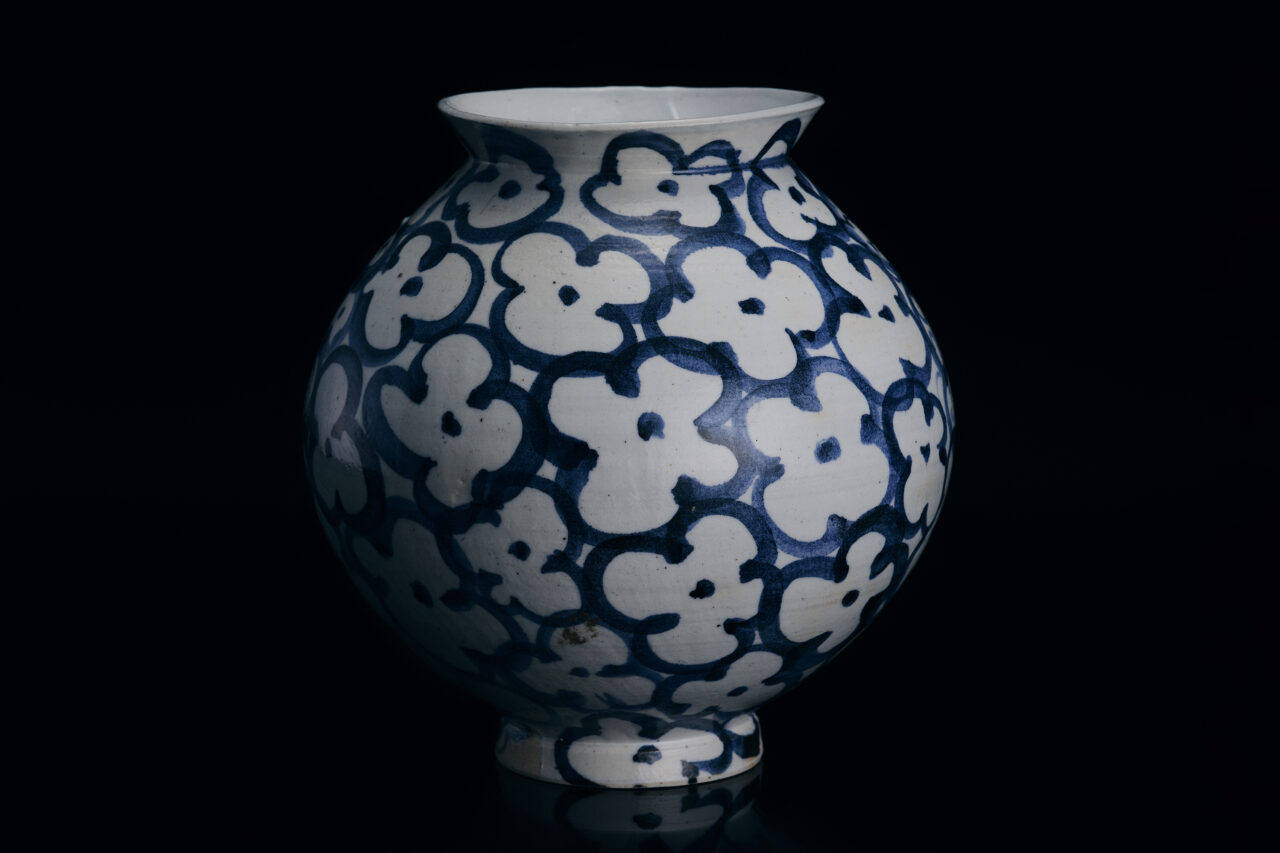
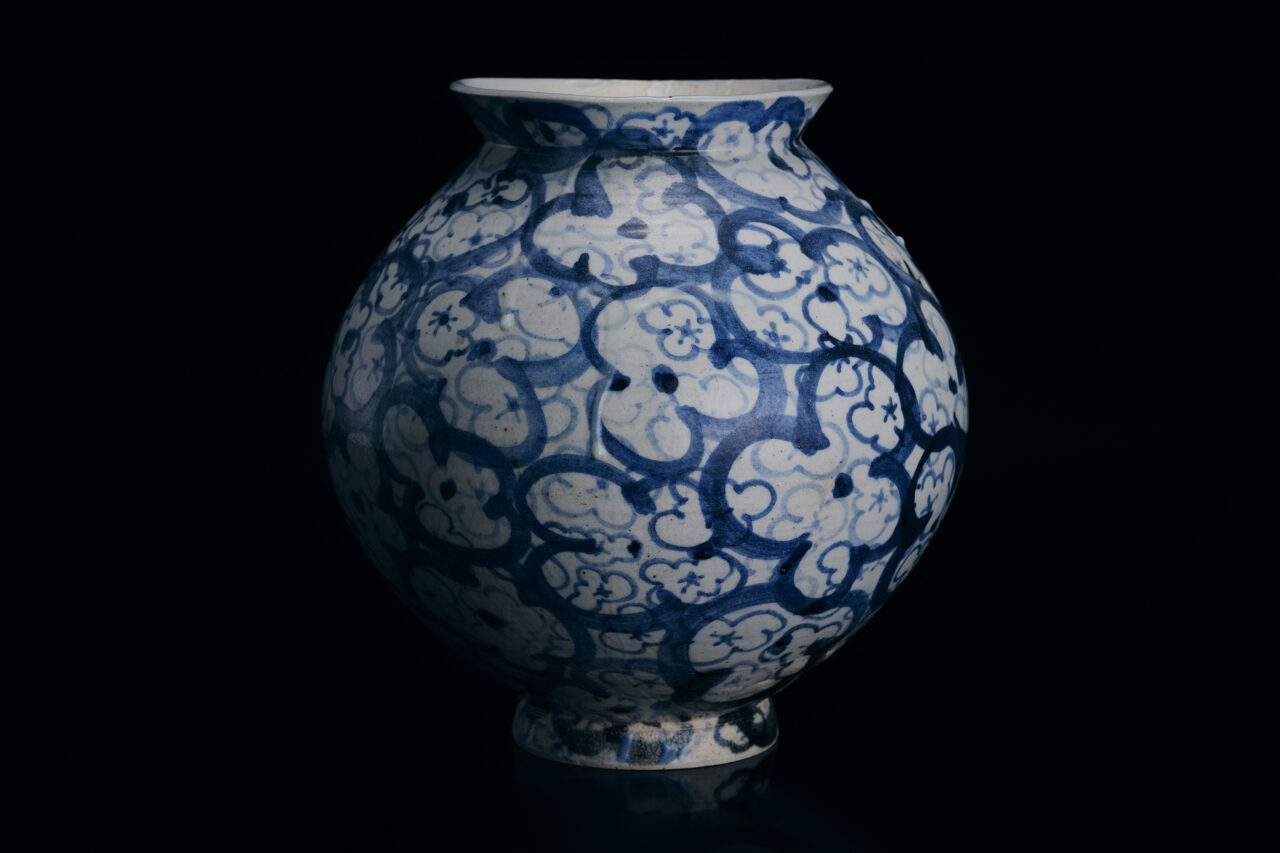
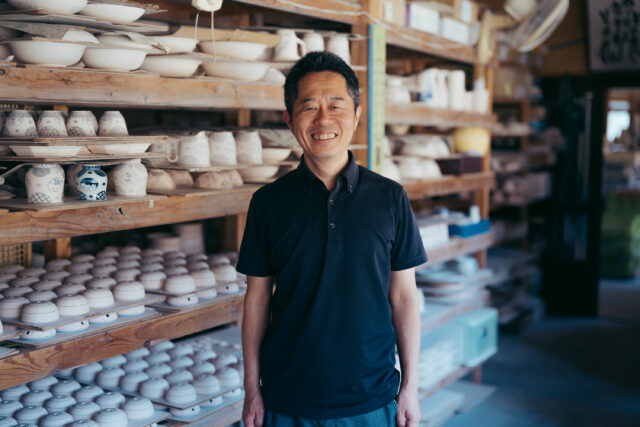
Kojiro Baba of Bunsho-gama, a kiln in Imari, Saga Prefecture, is known for works that blend respect for early Imari ware from 400 years ago with a modern sensibility. Imari and Arita ware, the first porcelain produced in Japan, originated with the discovery of Izumiyama porcelain stone. Though now rarely used, this porcelain stone remains an essential material for Kojiro. Firing his work in an ana-gama cave kiln, he achieves a natural harmony between material and technique. This depth of expression is beautifully embodied in his piece “Moon Jar with Small Flowers.”
The form of this work was inspired by the “moon jars” of the Joseon dynasty in Korea, porcelain vessels named for their resemblance to the full moon. While evoking the nostalgia of an antique, the surface of this piece is adorned with delicate sometuke indigo floral patterns, giving it a gentle, contemporary charm. On the front, the motifs appear bold and clear, while the back features overlapping patterns, creating soft nijimi blurs and variation that generate a refined visual rhythm. By slowly tracing the interplay of white and varying shades of indigo with your eyes, you can discover multiple expressions within a single jar. It is a piece that offers a poetic sense of space.