
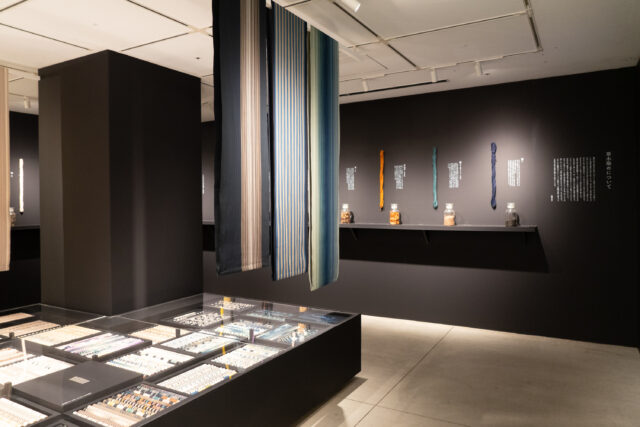
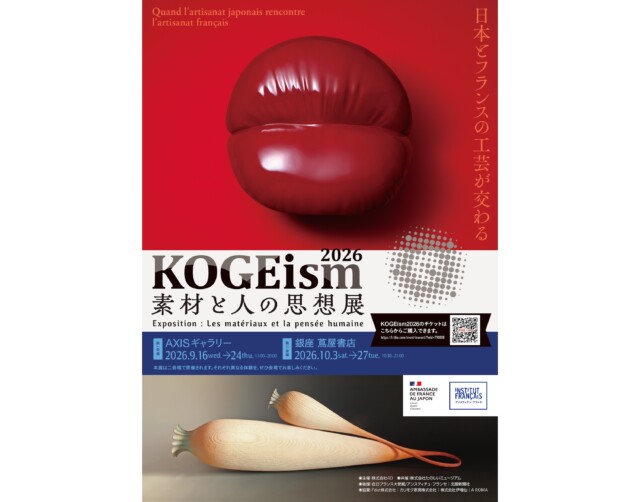
“KOGEism 2026 – Exposition: Les matériaux et la pensée humaine” Featuring Craft Artists from Japan and France, Will Be Exhibited at AXIS Gallery in Roppongi and Ginza Tsutaya Books
Featured Exhibitions & Events VOL.67
VOL.1-67
Update
VOL.1-30
Update
VOL.1-5
Update
VOL.1-32
Update
VOL.1-8
Update
VOL.1
Update
VOL.1-27
Update
VOL.1-4
Update
VOL.1-3
Update
We share a variety of information and perspectives on Japanese crafts, including exhibition information and interviews.
Featured Exhibitions & Events VOL.67
Featured Exhibitions & Events VOL.66
New Products VOL.30
New Products VOL.29
Sep 12 – Nov 23, 2026
Mitsui Memorial Museum
Sep 18 – Sep 27, 2026
megumu art
Sep 19 – Sep 27, 2026
Ceramic gallery TOBETOBEKUSA
Sep 19 – Sep 27, 2026
Aizuya

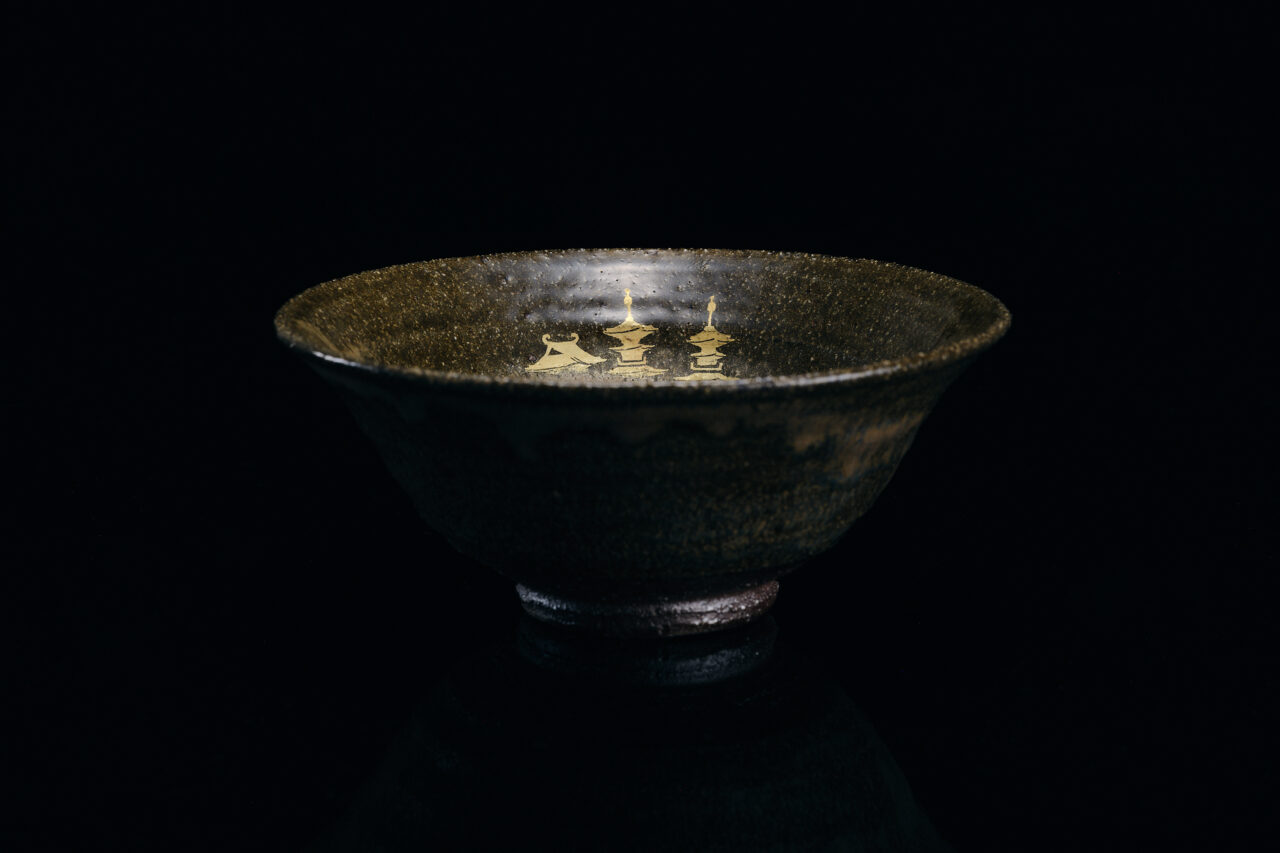
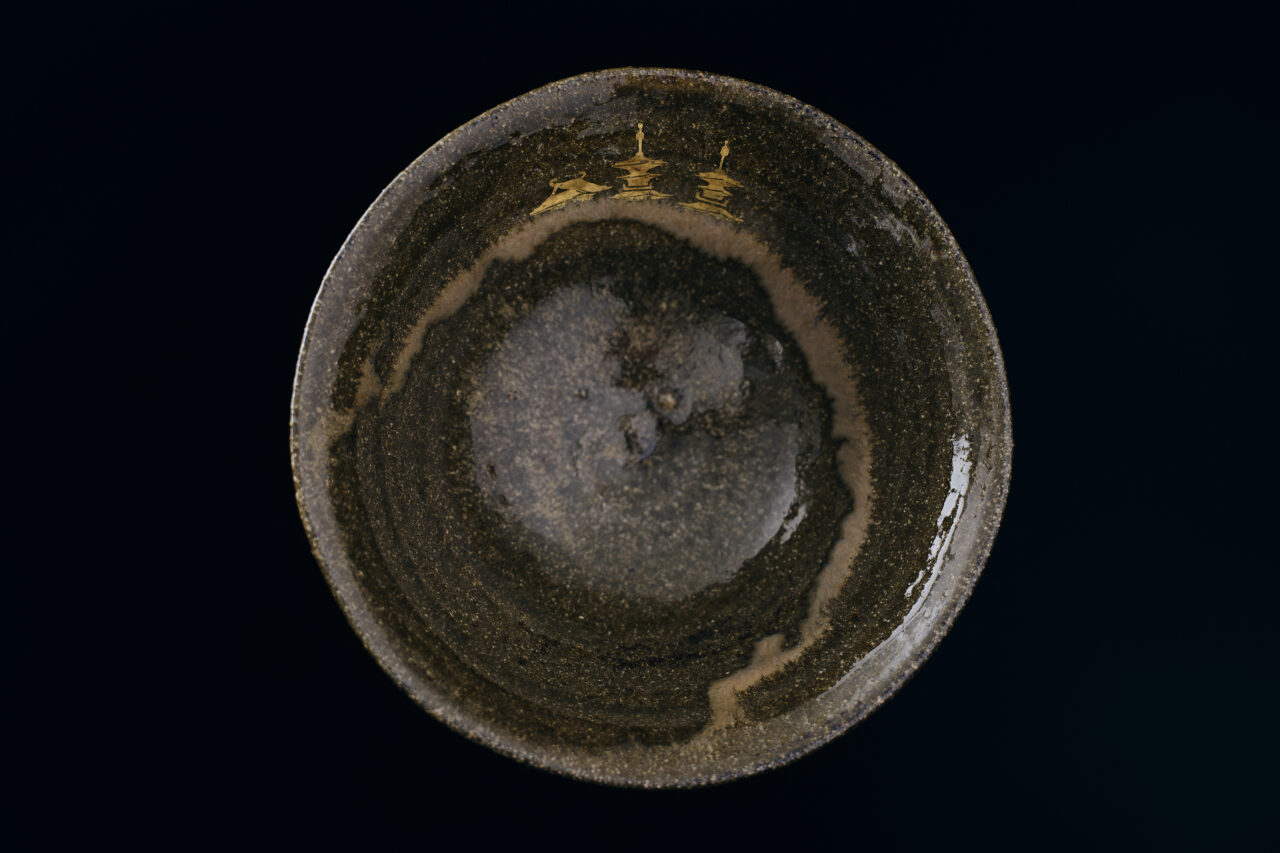
Bathed in the morning sun, Yakushiji Temple glows softly through the gentle morning mist. Capturing this quintessential view of Nara, this tea bowl is the work of Hiroki Onishi of Kohaku-gama Kiln, a ceramic artist of Akahada ware, a traditional ceramic style long associated with Nara. With deep historical roots, Akahada ware has been treasured by local temples and shrines for generations.
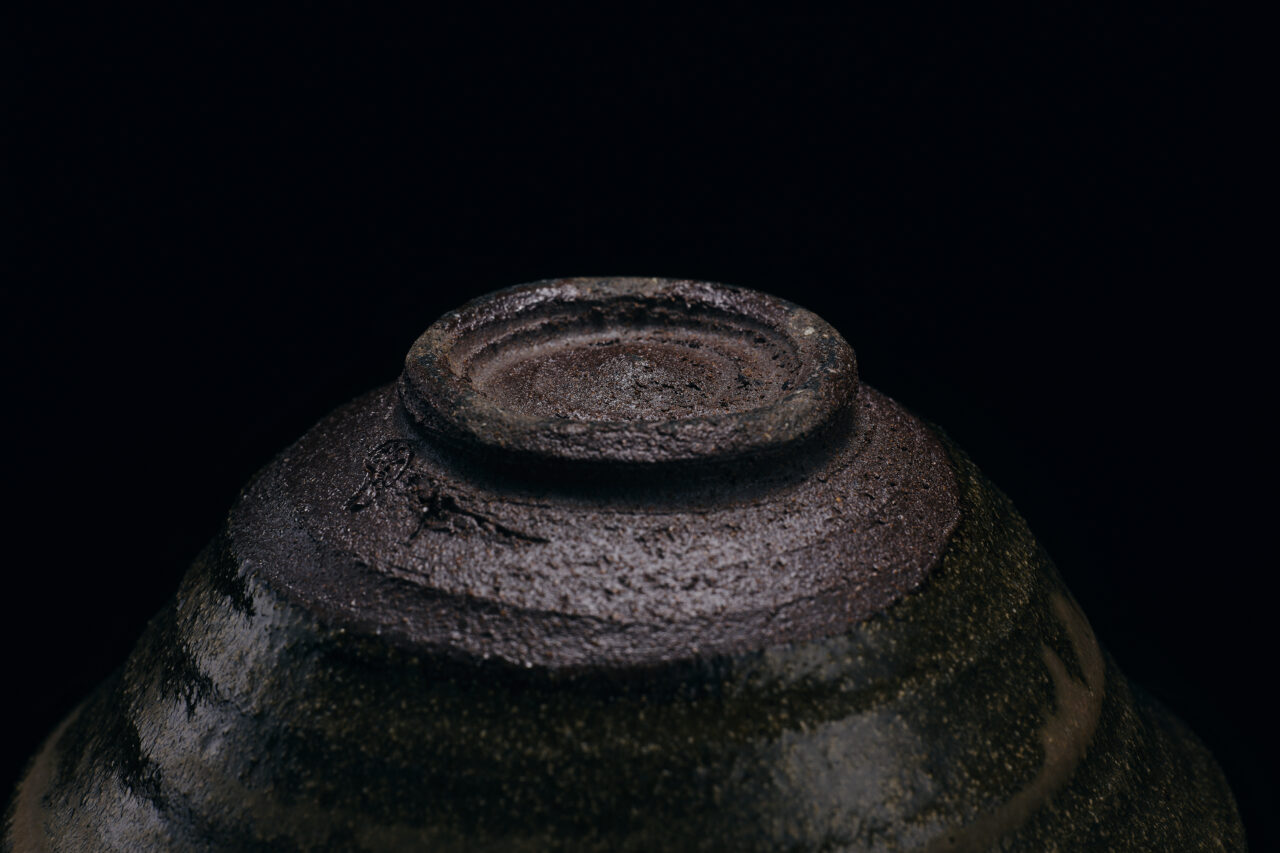
The tea bowl features a smooth, glossy glaze yet retains a palpable earthy texture, especially in its softly finished kodai foot. It was crafted using clay gifted from the foundations of the East Pagoda of Yakushiji Temple, a national treasure, during its restoration. The original clay, dating back to the temple’s founding, is rich in iron, making it difficult to fire. Through a process of extensive trial and error, Hiroki succeeded in creating the piece using only this ancient soil. The subtle gradation in the glaze at the base of the bowl evokes the image of morning mist, from which a depiction of Yakushiji Temple emerges, delicately painted in gold. Like the temple itself, the oldest surviving structure in the ancient capital of Heijo-kyo, the tea bowl stands with an unshakable presence, an embodiment of strength and serenity shaped by 1,300 years of history.