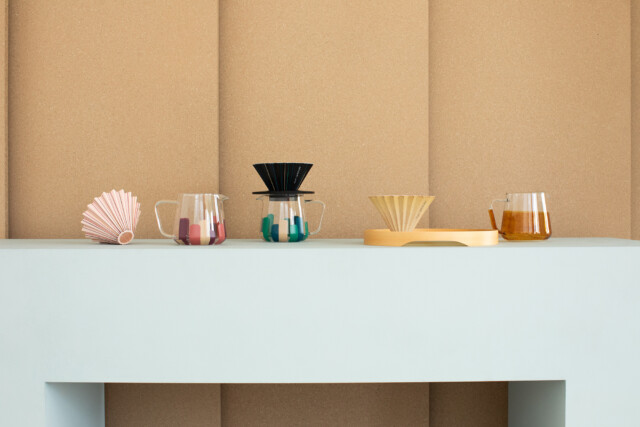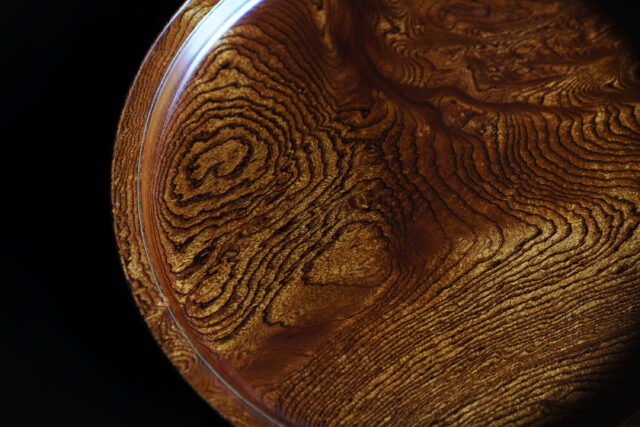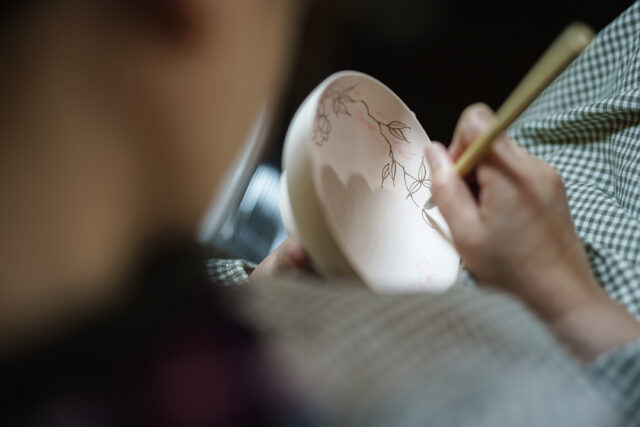

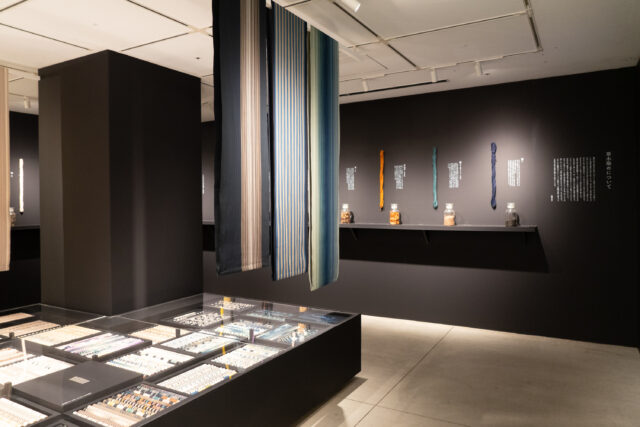
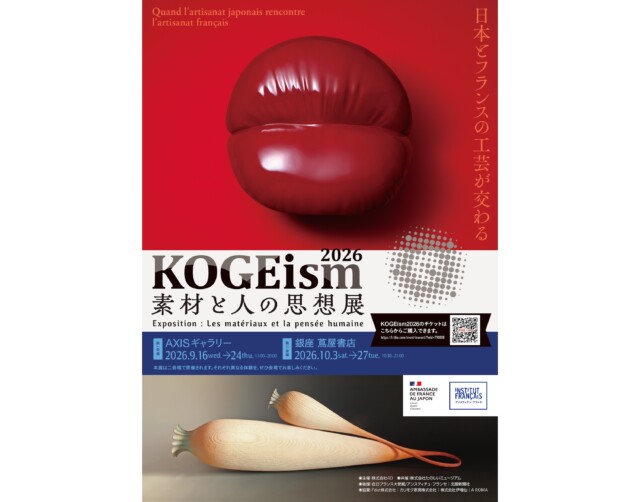
“KOGEism 2026 – Exposition: Les matériaux et la pensée humaine” Featuring Craft Artists from Japan and France, Will Be Exhibited at AXIS Gallery in Roppongi and Ginza Tsutaya Books
Featured Exhibitions & Events VOL.67
VOL.1-67
Update
VOL.1-30
Update
VOL.1-5
Update
VOL.1-32
Update
VOL.1-8
Update
VOL.1
Update
VOL.1-27
Update

VOL.1-4
Update
VOL.1-3
Update
We share a variety of information and perspectives on Japanese crafts, including exhibition information and interviews.
Featured Exhibitions & Events VOL.67
Featured Exhibitions & Events VOL.66
New Products VOL.30
New Products VOL.29
Sep 12 – Nov 23, 2026
Mitsui Memorial Museum
Sep 18 – Sep 27, 2026
megumu art
Sep 19 – Sep 27, 2026
Ceramic gallery TOBETOBEKUSA
Sep 19 – Sep 27, 2026
Aizuya
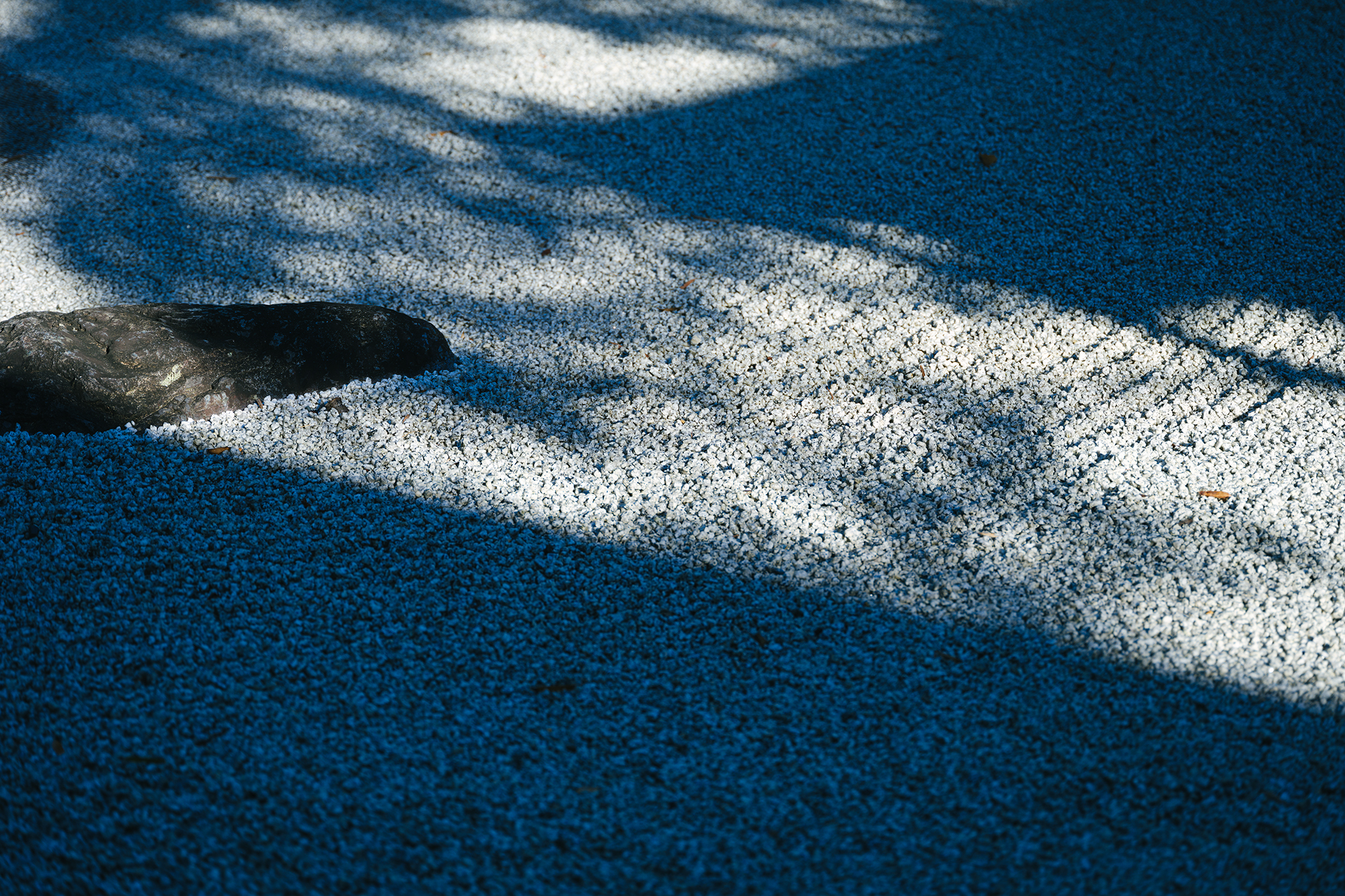
This phrase “mono no aware” represents an aesthetic ideal proposed by Motoori Norinaga, a scholar of classical Japanese literature in the late Edo period (1603-1868), which is considered crucial for understanding the court literature of the Heian period (794-1185). “Mono no aware...

Editor's Column “The Path of Japanese Crafts” Part1: Japanese Aesthetic Sense VOL.11
The term “mujo” refers to the concept that things are transient, not eternal. When expressed as “shogyo mujo” (literally, “all things are impermanent”), it signifies the transitory nature of all phenomena. “Mujo-kan” (“view of impermanence”), on the other ...
Editor's Column “The Path of Japanese Crafts” Part1: Japanese Aesthetic Sense VOL.10
“Shibui” is one of Japan’s traditional aesthetics, expressing a deep-seated charm. Although commonly used to describe flavors, as for tea or wine, the term is versatile and finds its way into everyday language, describing not only taste but also colors or expres...
Editor's Column “The Path of Japanese Crafts” Part1: Japanese Aesthetic Sense VOL.9
Ikigai. This word gained recognition among many non-Japanese following the overseas publication in 2016 of a book titled Ikigai: The Japanese Secret to a Long and Happy Life. “Ikigai” is an abbreviated form of an expression that means “a reason for living”...
Editor's Column “The Path of Japanese Crafts” Part1: Japanese Aesthetic Sense VOL.8
In Japan, there is a word “縁” (en), which is used to describe not only connections between people but also the ties and relationships among various aspects of life. It is a word deeply rooted in Eastern philosophy and thinking.The concept of en is derived from the Bud...
Editor's Column “The Path of Japanese Crafts” Part1: Japanese Aesthetic Sense VOL.7
When discussing the aesthetics of Japanese craftsmanship, there are several essential aspects that cannot be overlooked. One of these is the concept of “Yo-no-bi.” Although commonly translated as “the beauty of everyday things,” the phrase literally means ...
Editor's Column “The Path of Japanese Crafts” Part1: Japanese Aesthetic Sense VOL.6
“Zen” is a widely known word overseas, similar to wabi-sabi. Owing to the influence of Steve Jobs, it is one of the Eastern spiritualities that continues to pique the interest of people in the Western world. When you hear the word “Zen,” often the first th...
Editor's Column “The Path of Japanese Crafts” Part1: Japanese Aesthetic Sense VOL.5
As you learn more about the Japanese sense of beauty, you will come to realize that the Japanese people possess at their core a fundamental shizenkan, or “view on nature.” Japanese people find the falling cherry blossoms beautiful, not simply because of their beautiful colors or ...
Editor's Column “The Path of Japanese Crafts” Part1: Japanese Aesthetic Sense VOL.4
Junichiro Tanizaki’s essay In Praise of Shadows, published in 1933, is one of the books that introduced Japanese aesthetics to the world. Written in a unique style, the book highlights the importance of dim light and shadow in the Japanese lifestyle. It has become a must-re...
Editor's Column “The Path of Japanese Crafts” Part1: Japanese Aesthetic Sense VOL.3
When discussing the uniquely Japanese sense of beauty, the words “ma” and “yohaku” are indispensable, as are “wabi-sabi.” “Ma” is mainly used in theater, music, and interpersonal relationships, while “yohaku” is frequently used in a...
Editor's Column “The Path of Japanese Crafts” Part1: Japanese Aesthetic Sense VOL.2
“Wabi-sabi” is one of Japan’s traditional aesthetic sensibilities, having grown out of Zen. Japan has long had a variety of aesthetic senses, such as “mono no aware” and “iki”, but wabi-sabi is one Japanese term that has spread worldwide, and can now be co...
Editor's Column “The Path of Japanese Crafts” Part1: Japanese Aesthetic Sense VOL.1
Japanese crafts are beautiful. Sometsuke plates drawn with gosu pigment, bowls made up of many layers of lacquer, light-colored textiles dyed with the natural kusaki-zome technique, and one-of-a-kind yakishime style vases with unpredictable yohen effects that emerge during firing...