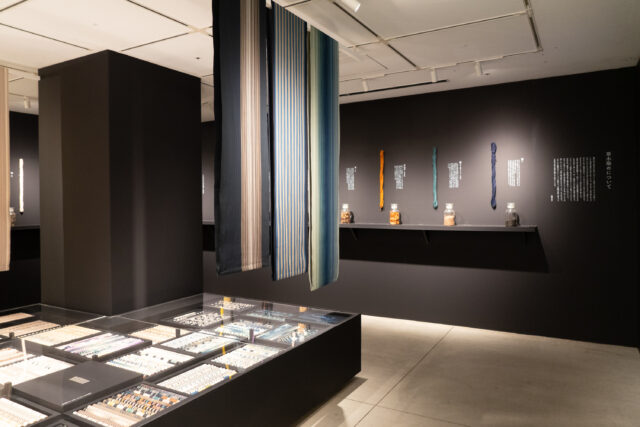
“Craft x Tech Tokai Project” Is Exhibited at the London Design Festival 2026
Featured Exhibitions & Events VOL.66

VOL.1-66
Update
VOL.1-30
Update
VOL.1-5
Update
VOL.1-32
Update
VOL.1-8
Update
VOL.1
Update
VOL.1-27
Update
VOL.1-4
Update
VOL.1-3
Update
We share a variety of information and perspectives on Japanese crafts, including exhibition information and interviews.
Featured Exhibitions & Events VOL.66
New Products VOL.30
New Products VOL.29
Featured Exhibitions & Events VOL.65
Sep 5 – Nov 8, 2026
SEIKADO BUNKO ART MUSEUM
Sep 11 – Sep 16, 2026
KAKIDEN GALLERY
Sep 12 – Sep 20, 2026
essence kyoto
Sep 12 – Nov 23, 2026
Mitsui Memorial Museum
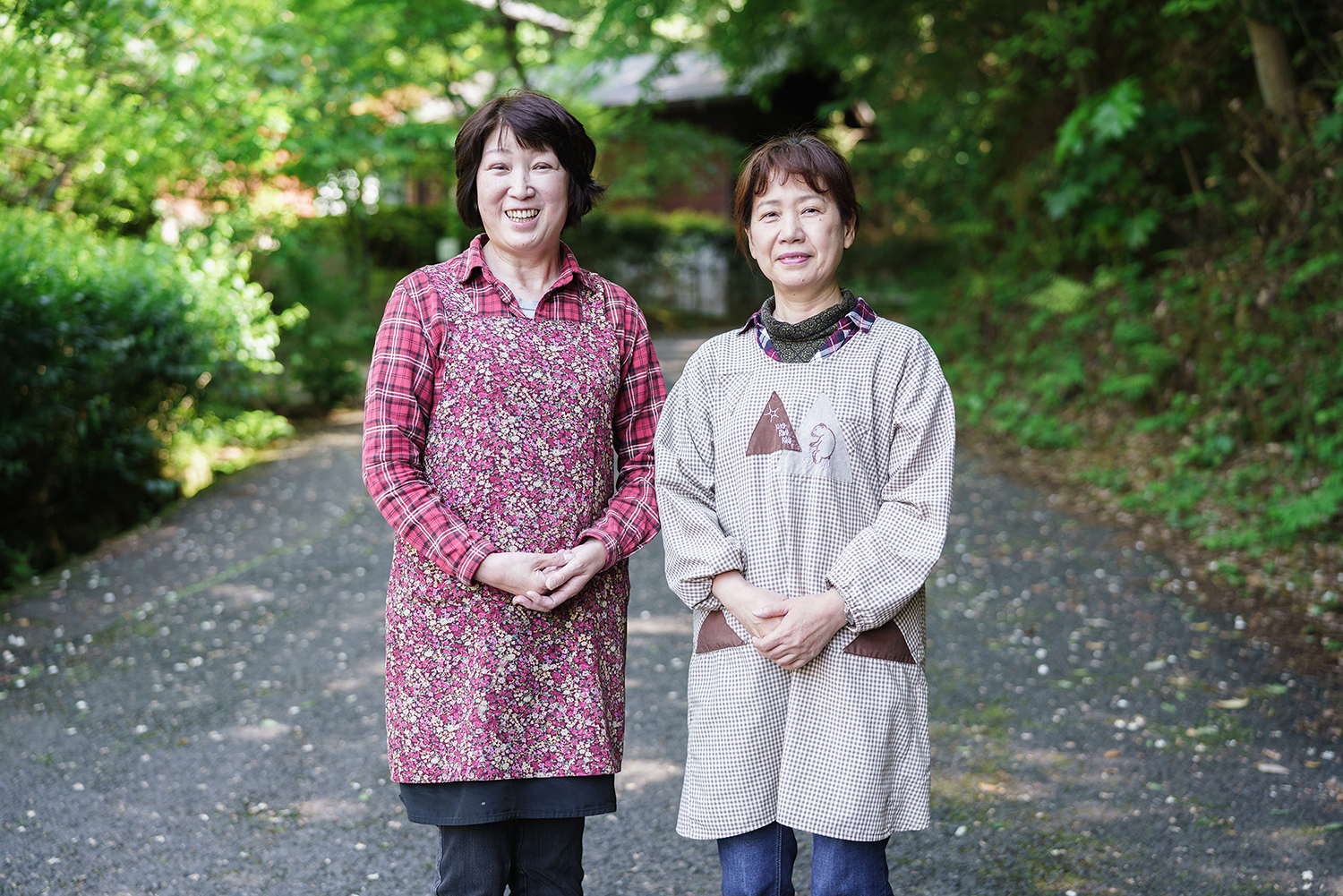
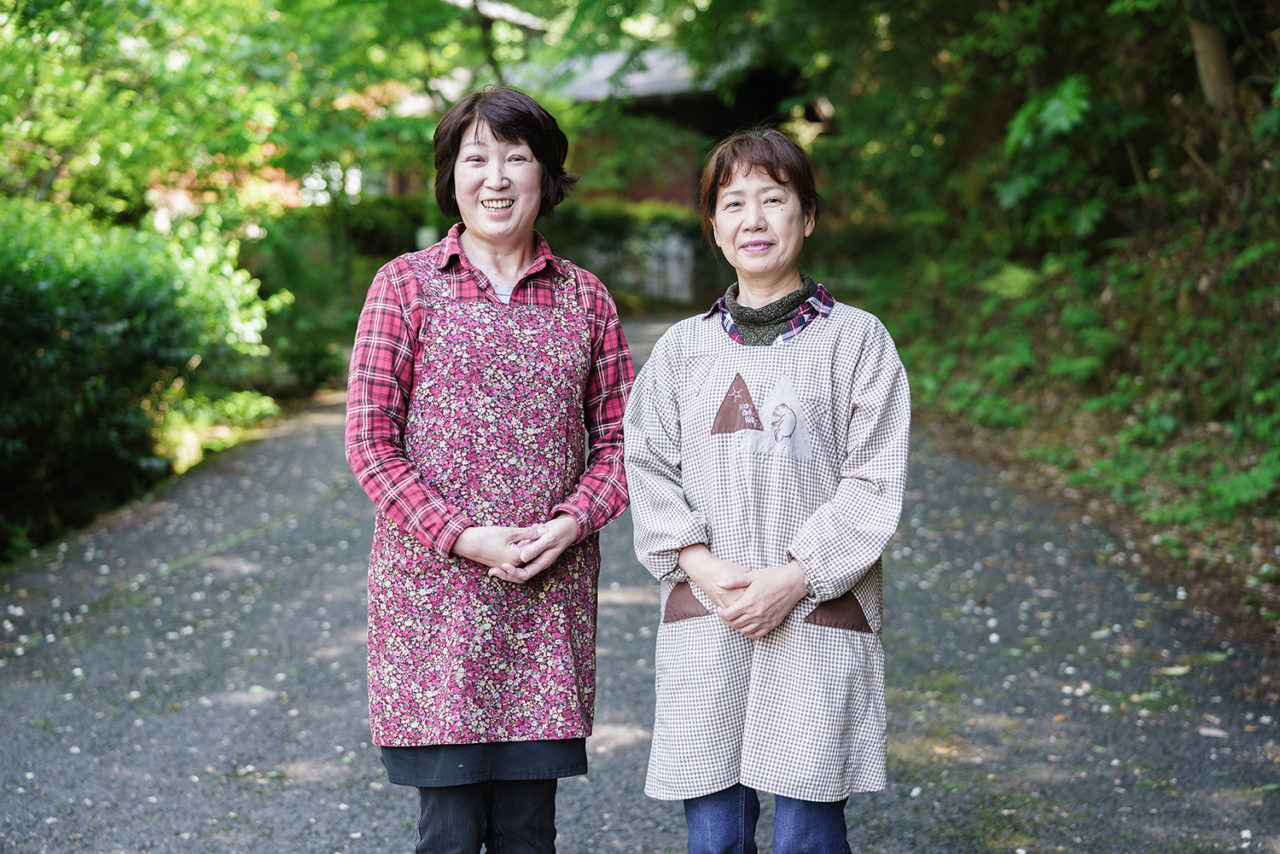
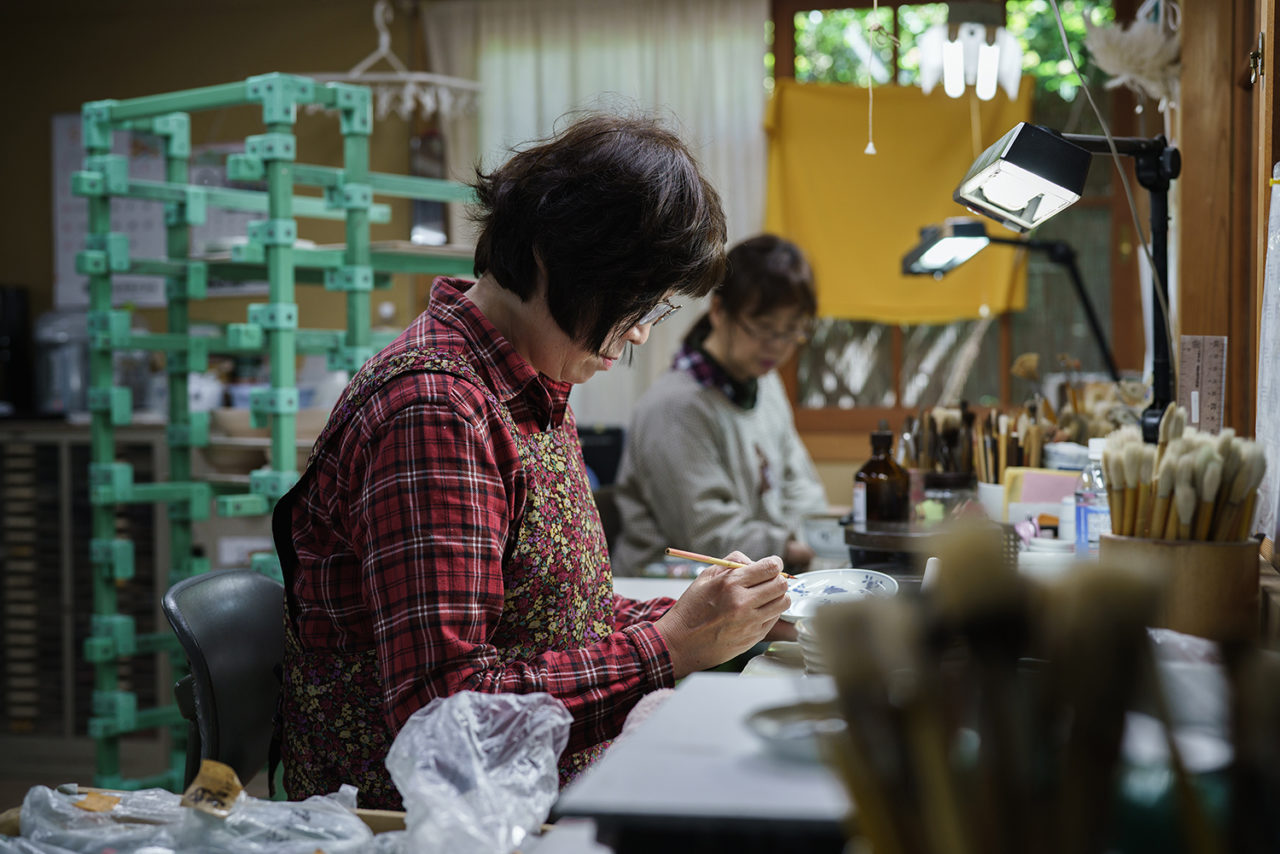
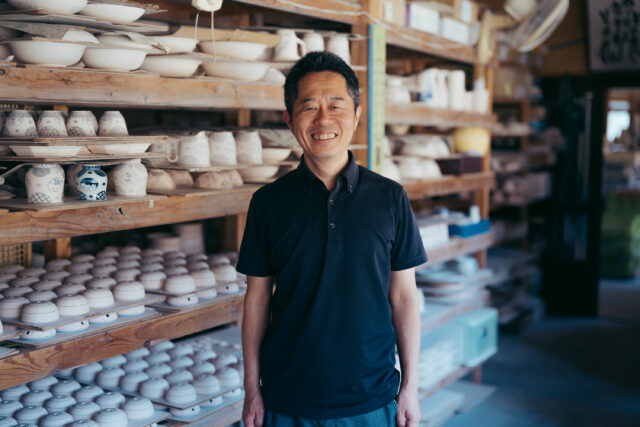
Yasuko Kamochi and Yumiko Tanaka are in charge of “etsuke” (decorative painting) at Fukujugama in Arita, Saga Prefecture. Even in Arita, which is the famed historical area of porcelain, there are few artisans specializing in etsuke at the present time. Yasuko joined Fukujugama because her sister worked there too. At that time, Arita ware was in high demand. Etsuke is a finely divided work where each painter paints a specific portion. By doing the same work over and over again, she was able to gradually improve on her etsuke techniques. “Precise brush strokes are important for etsuke but I prefer to draw vigorously than to paint within a square”, said Yumiko who had worked for a city office prior to joining Fukujugama. As she learns from her seniors, she remembered about the orderly appearance of “sometsuke” (painting with blue pigment) and overglaze painting. Etsuke is a persistent work, but the voice from customers saying “I like this vessel” gives her a sense of satisfaction. “This job can even be done by amateurs like us, so we think anyone can do it.”, the gentle smile of the two ladies shone through even as they spoke, seemingly symbolizing the softness of etsuke which Fukujugama is good at.