
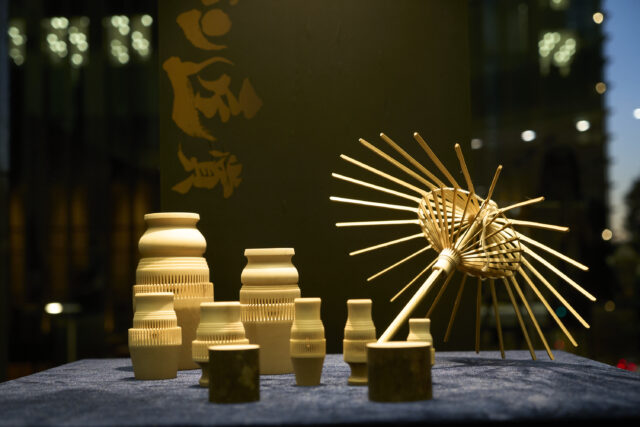
“Nosou™,” A New Brand Rooted in Natural Materials and Craftsmanship, Unveils Bamboo Lighting Collection
New Products VOL.30
VOL.1-30
Update
VOL.1-65
Update
VOL.1-5
Update
VOL.1-32
Update
VOL.1-8
Update
VOL.1
Update
VOL.1-27
Update
VOL.1-4
Update
VOL.1-3
Update
We share a variety of information and perspectives on Japanese crafts, including exhibition information and interviews.
New Products VOL.30
New Products VOL.29
Featured Exhibitions & Events VOL.65
Editor's Column “The Path of Japanese Crafts” Part2: Modern Society and Kogei VOL.5
Aug 14 – Aug 29, 2026
HULS GALLERY TOKYO
Aug 15 – Oct 12, 2026
Nezu Museum
Aug 25 – Aug 31, 2026
KAKIDEN GALLERY
Aug 26 – Sep 6, 2026
Nihonbashi Takashimaya S.C.

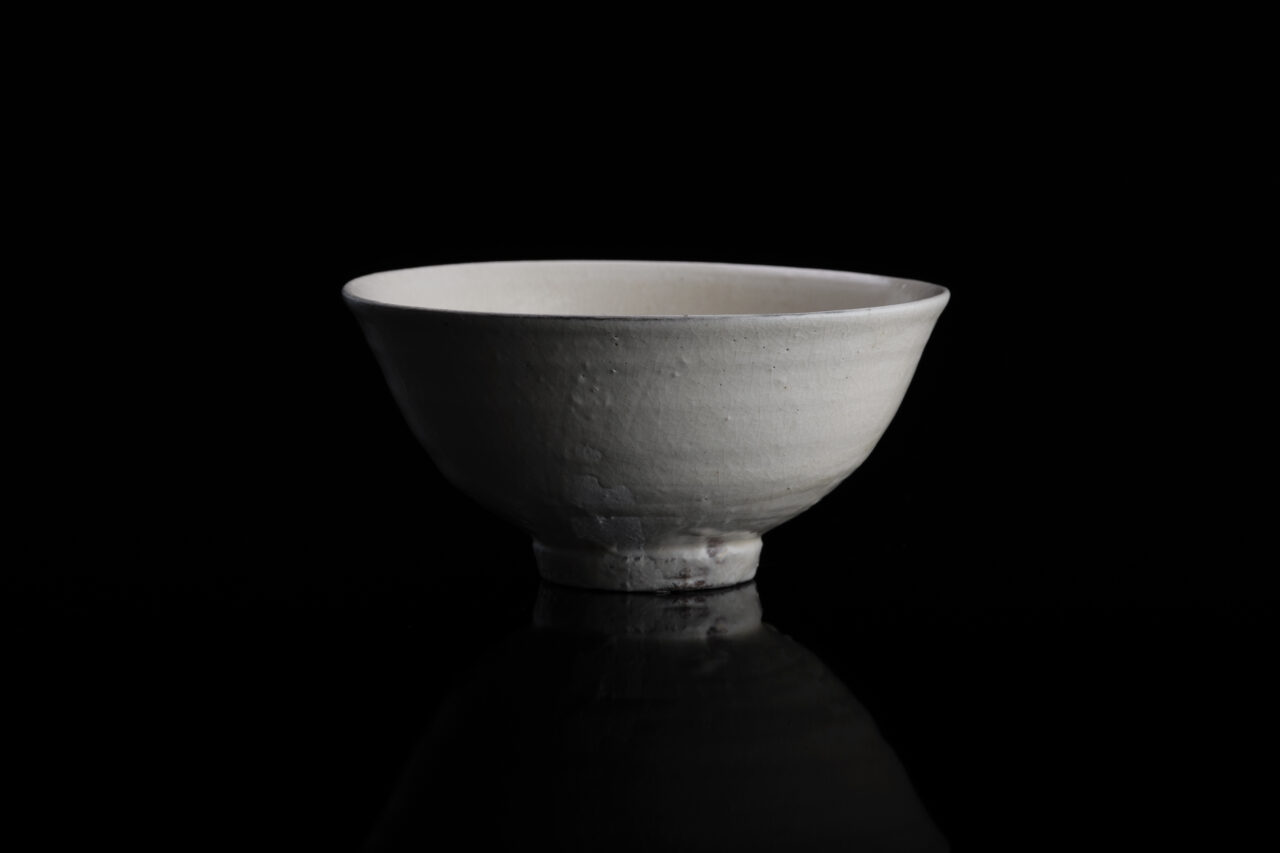
Funseisaki ware was actively produced in Korea during the Joseon Dynasty. Its natural beauty has been admired by many tea masters in Japan, and it has continued to capture the hearts of the Japanese down through the ages. One of the most beloved vessels from this tradition is the Kohiki tea bowl. Its soft white color holds infinite possibilities that can change with use, making it a treasure to be nurtured over time.
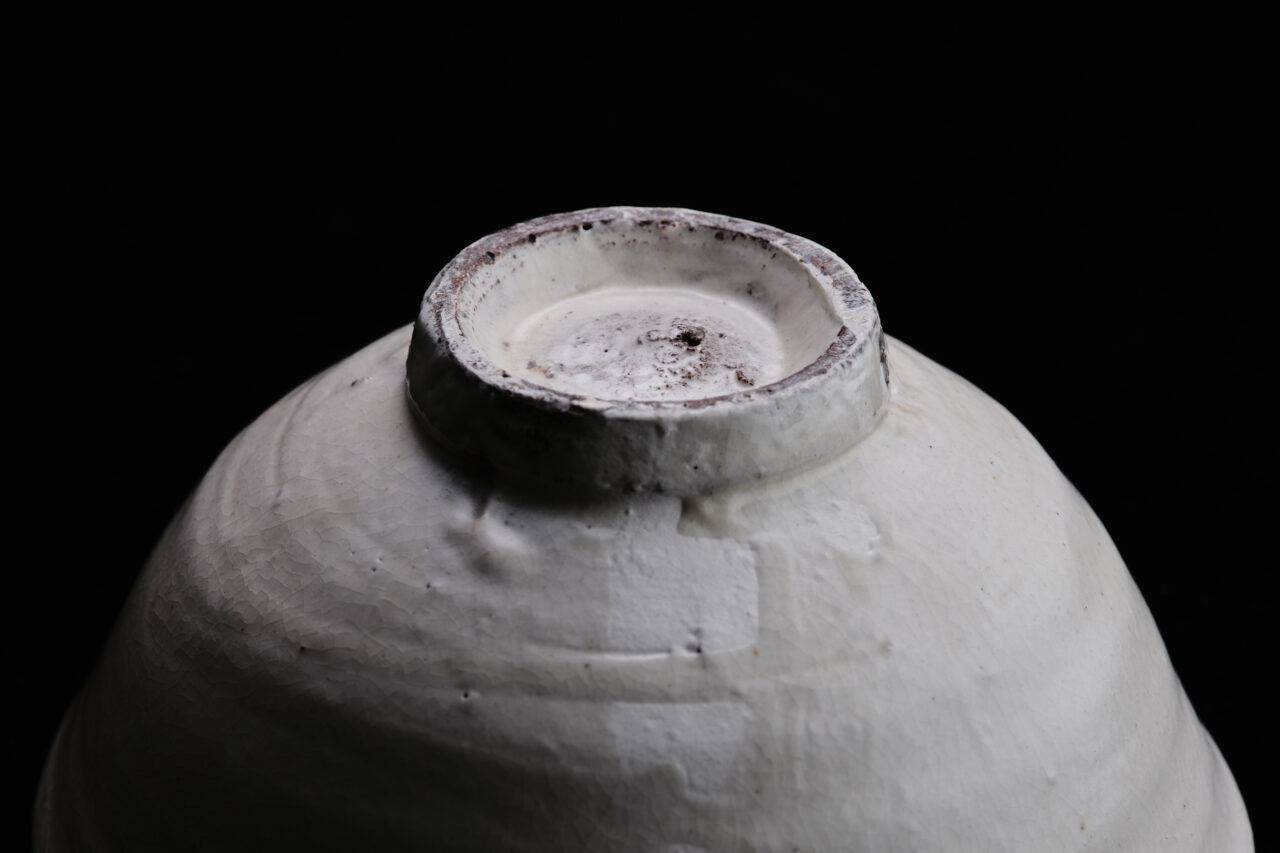
Hiroyumi Suzuki has studied ceramics in Korea, the homeland of the Kohiki style, and now lives and works in Iga, Mie Prefecture. This work, with its simple and clean shape and beautiful white surface with fine kan-nyu (crackle), was made from red clay collected in the mountains between Iga and Shigaraki. The earthy impression that peeps out slightly in black on the thin glazed foot gives a feeling of refinement, and the green tea reflected on the endlessly smooth white surface stands out in the most beautiful way. The user will discover the fresh charm of this tea bowl again and again, as its character deepens with the passage of time.