
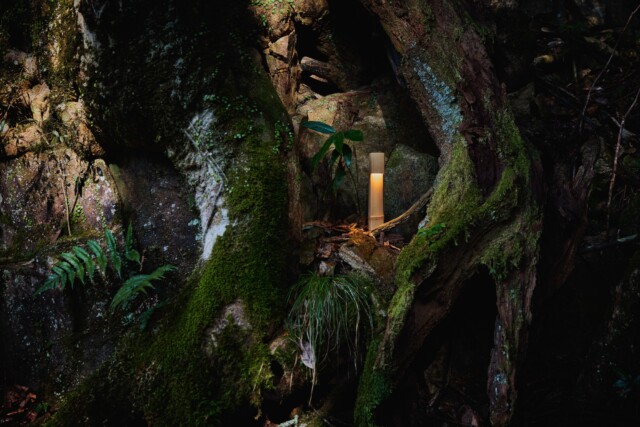
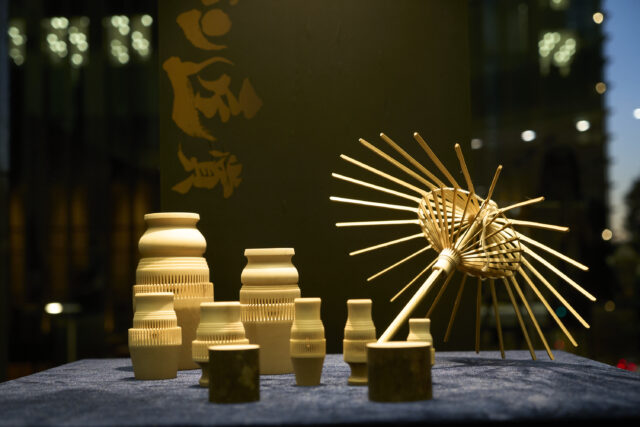
“Nosou™,” A New Brand Rooted in Natural Materials and Craftsmanship, Unveils Bamboo Lighting Collection
New Products VOL.30
VOL.1-30
Update
VOL.1-65
Update
VOL.1-5
Update
VOL.1-32
Update

VOL.1-8
Update
VOL.1
Update
VOL.1-27
Update
VOL.1-4
Update
VOL.1-3
Update
We share a variety of information and perspectives on Japanese crafts, including exhibition information and interviews.
New Products VOL.30
New Products VOL.29
Featured Exhibitions & Events VOL.65
Editor's Column “The Path of Japanese Crafts” Part2: Modern Society and Kogei VOL.5
Jul 31 – Aug 18, 2026
Sophora
Aug 13 – Aug 25, 2026
Kyoto yamahon
Aug 14 – Aug 29, 2026
HULS GALLERY TOKYO
Aug 15 – Oct 12, 2026
Nezu Museum

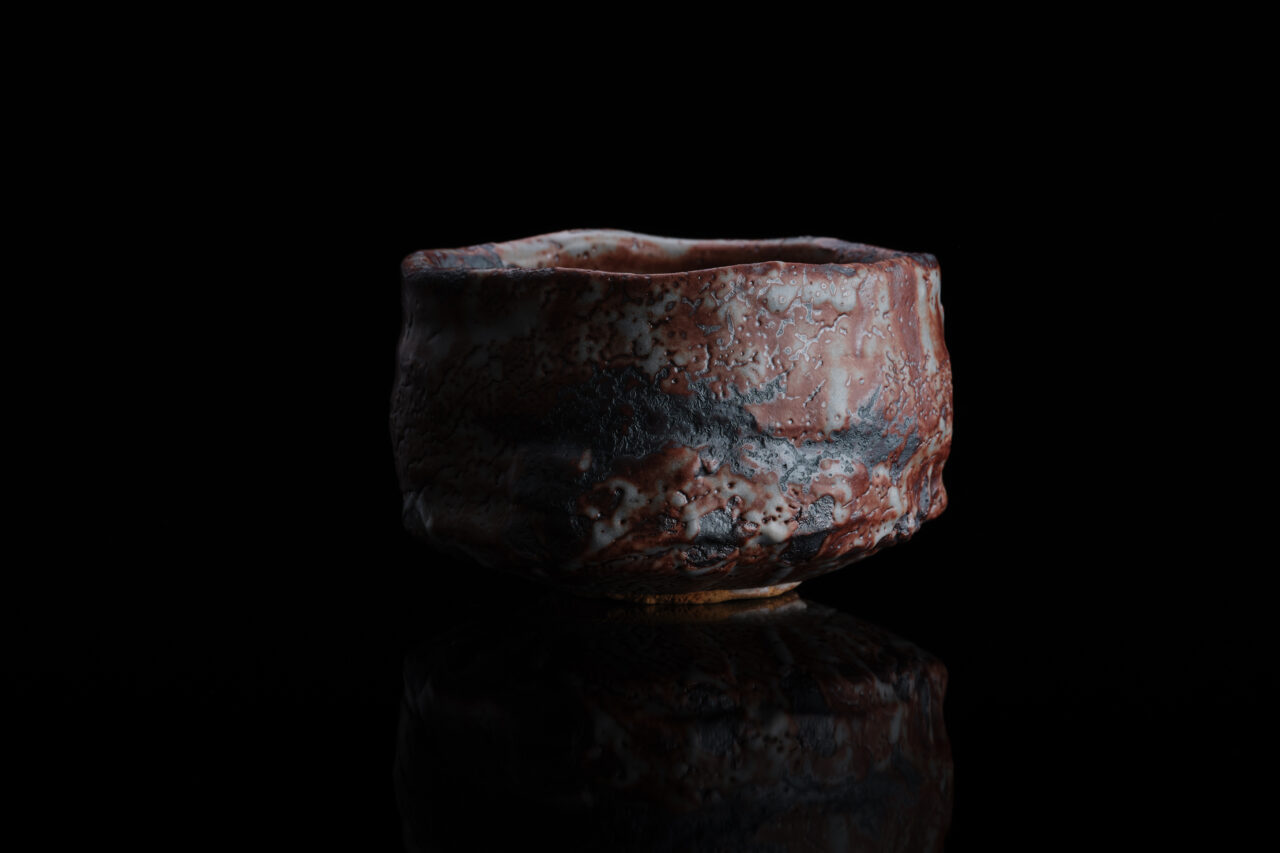
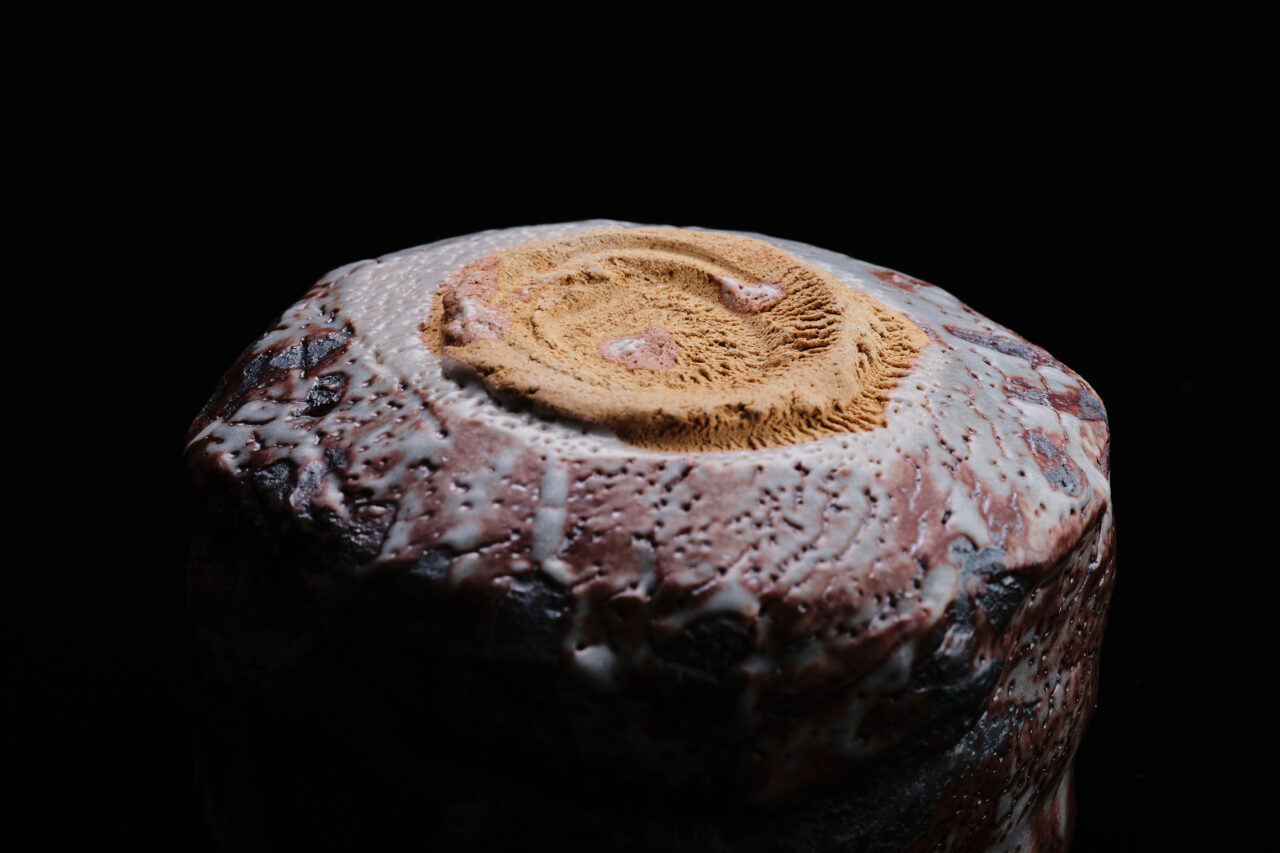
Shino is one of the most representative styles of Mino-Momoyama ware. Made of an open-grained, creamy off-white clay known in the Mino region as mogusa-tsuchi and covered with a thick layer of choseki-yu or feldspar glaze, this tea bowl combines the strength of firing with the soft texture of the glaze. Shino ware has attracted many people from the Momoyama period to today with a unique charm that cannot be found anywhere else.
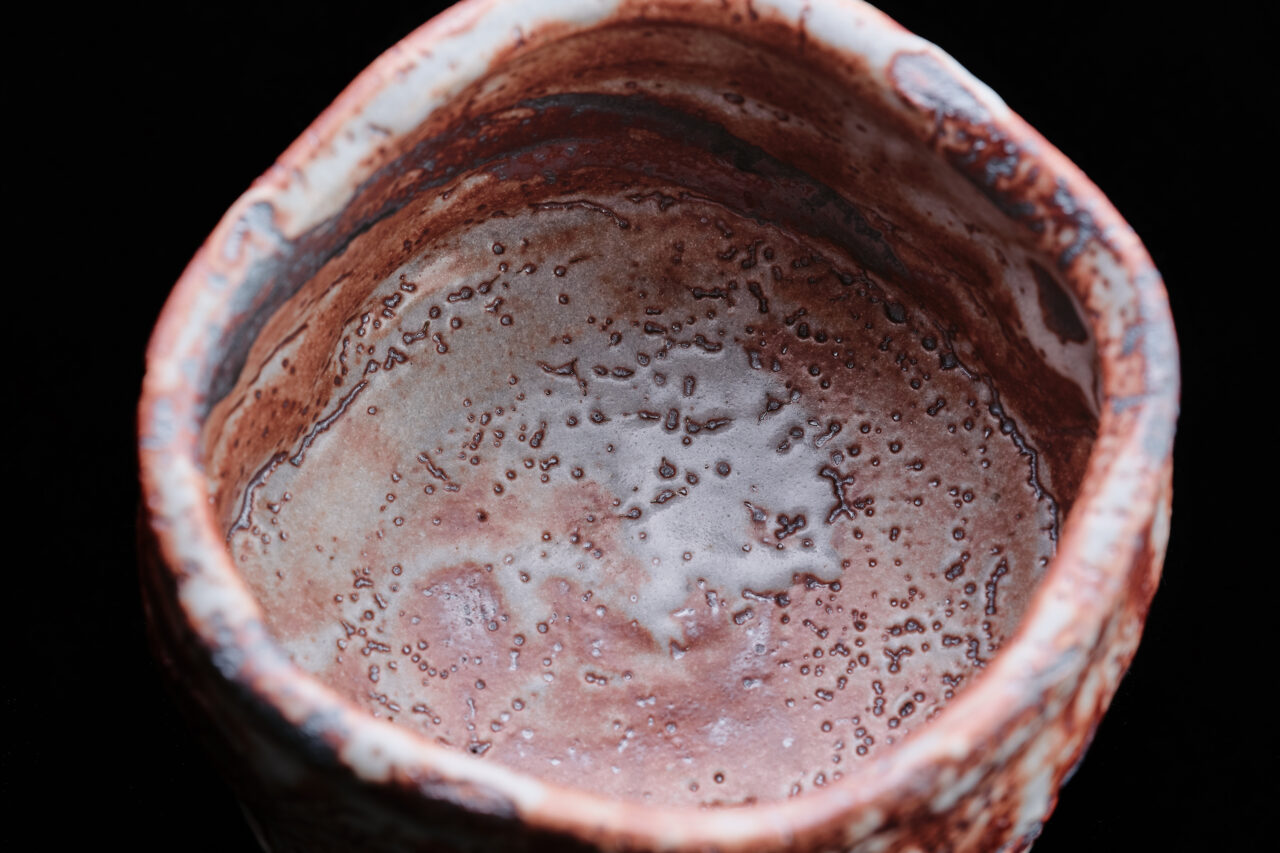
Makoto Yamaguchi’s Nezumi-Shino is filled with a sense of liveliness, as if one can actually hear the sound of wood burning and feel the heat of the fire. After applying an iron-rich clay slip called oni-ita to the entire surface, he applied a second, different oni-ita to produce tetsu-e (literally, “iron paintings”), dark traces of iron that seep out from the depths of the reddish glaze. Many fine pits appear as well in the yuzu-hada surface, so called for its texture like a yuzu citrus peel, and one never tires of admiring it from any angle.
The artist is known for his ambitious style, and his deep knowledge of Momoyama ware underlies his work. This is a gem that we would like to keep close at hand and enjoy its changing color as it is imbued with tea over time.