
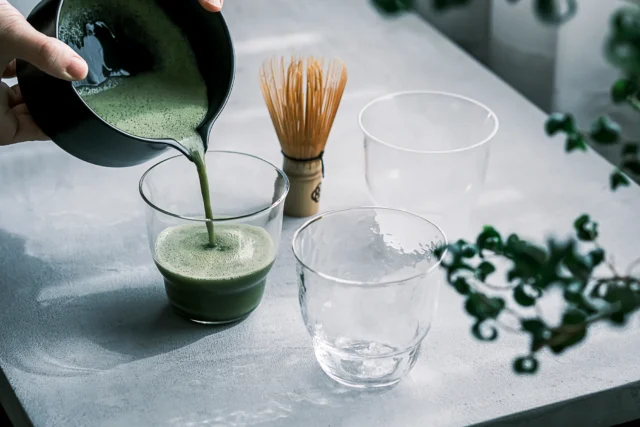
Kimoto Glass has Released “Nuage,” a Glass Designed for Enjoying Matcha
New Products VOL.32
VOL.1-32
Update
VOL.1-33
Update
VOL.1-70
Update
VOL.1-5
Update
VOL.1-8
Update
VOL.1
Update
VOL.1-27
Update
VOL.1-4
Update
VOL.1-3
Update
We share a variety of information and perspectives on Japanese crafts, including exhibition information and interviews.
New Products VOL.32
New Products VOL.31
KOGEI Topics VOL.33
Featured Exhibitions & Events VOL.70

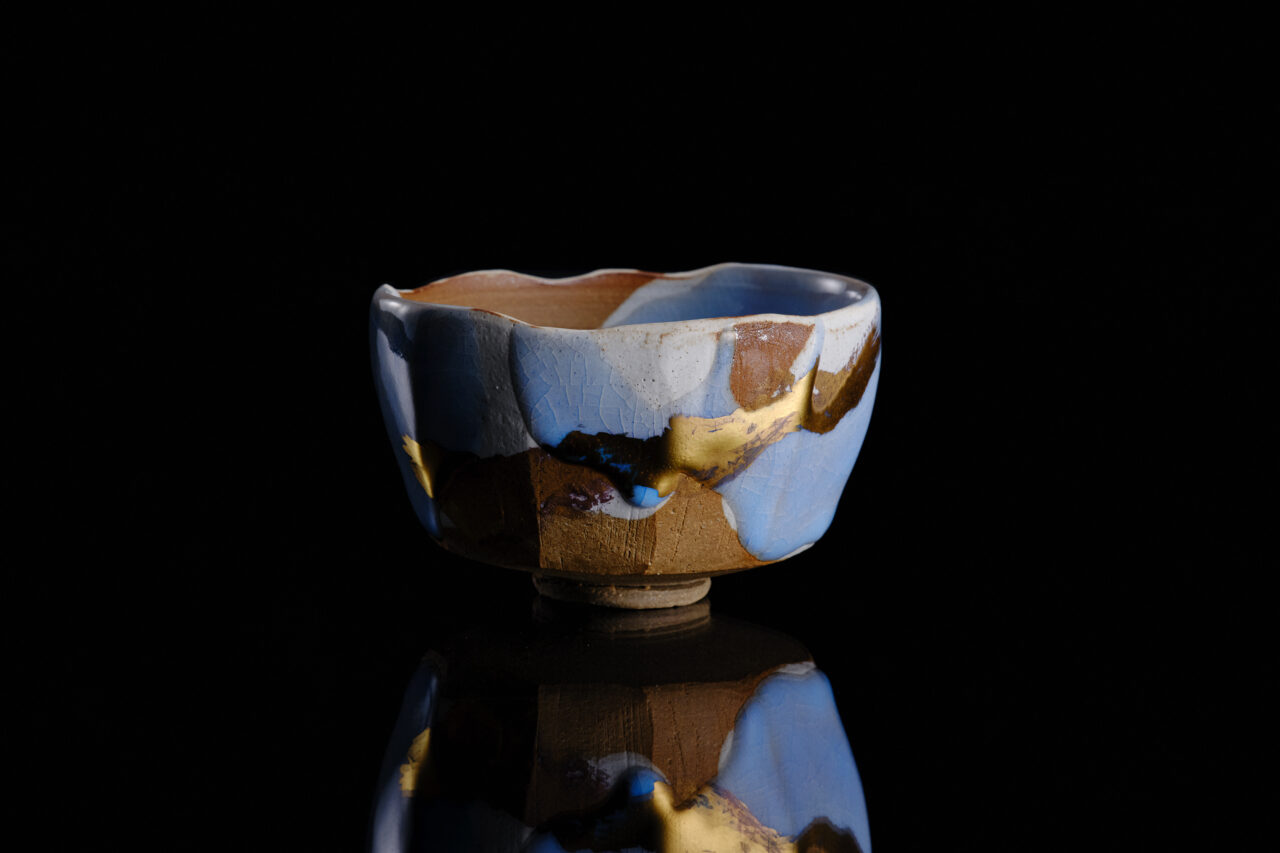
The fires have been burning at Asahi-yaki Kiln, one of the seven kilns of Enshu, in Uji, Kyoto Prefecture, for over 400 years. The 16th generation head of the kiln, Hosai Matsubayashi, has devoted his energies to creating works that express a modern interpretation of “kirei-sabi,” a style that combines the rustic beauty of wabi-sabi with a refined elegance. This aesthetic, favored by the tea master Kobori Enshu and passed down through generations of Asahiyaki, represents the “harmony of dualities” that Hosai XVI strives to portray.
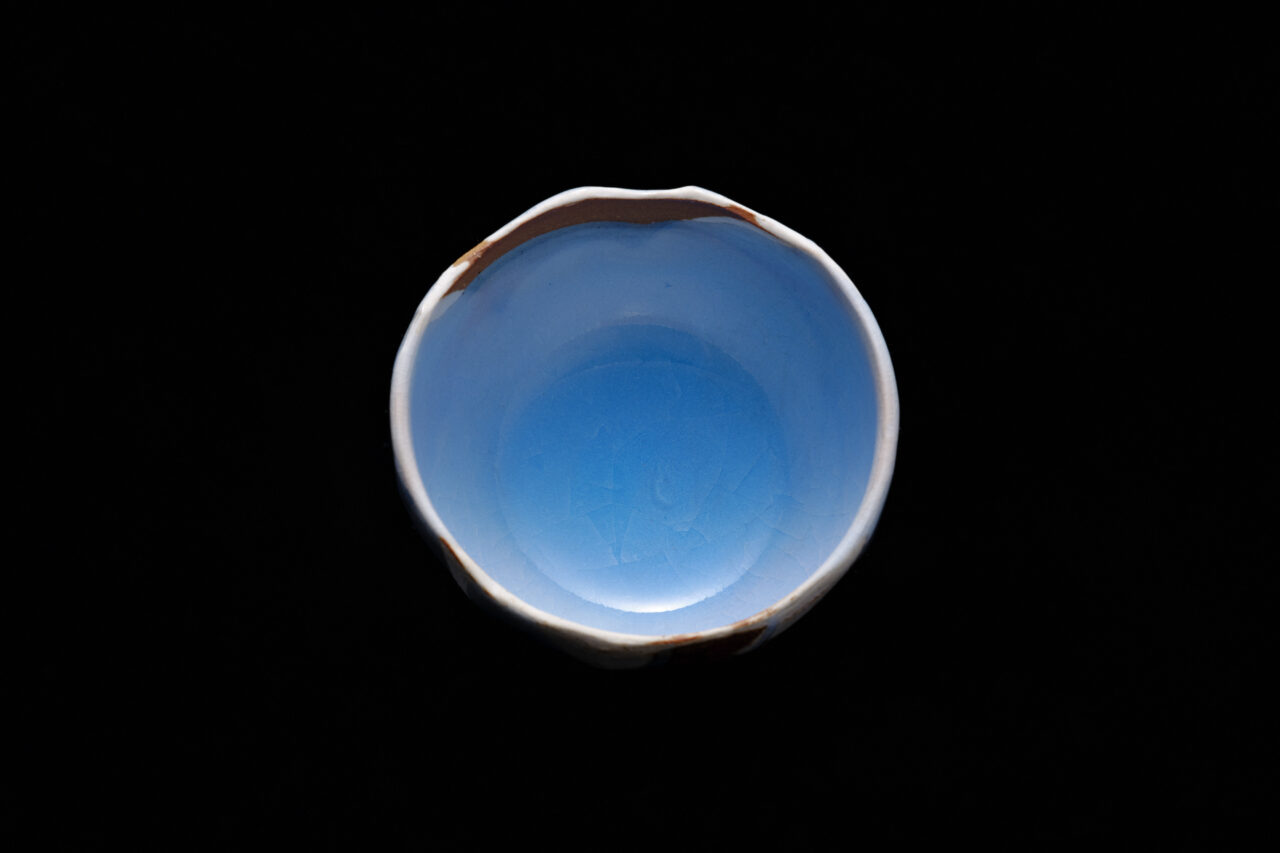
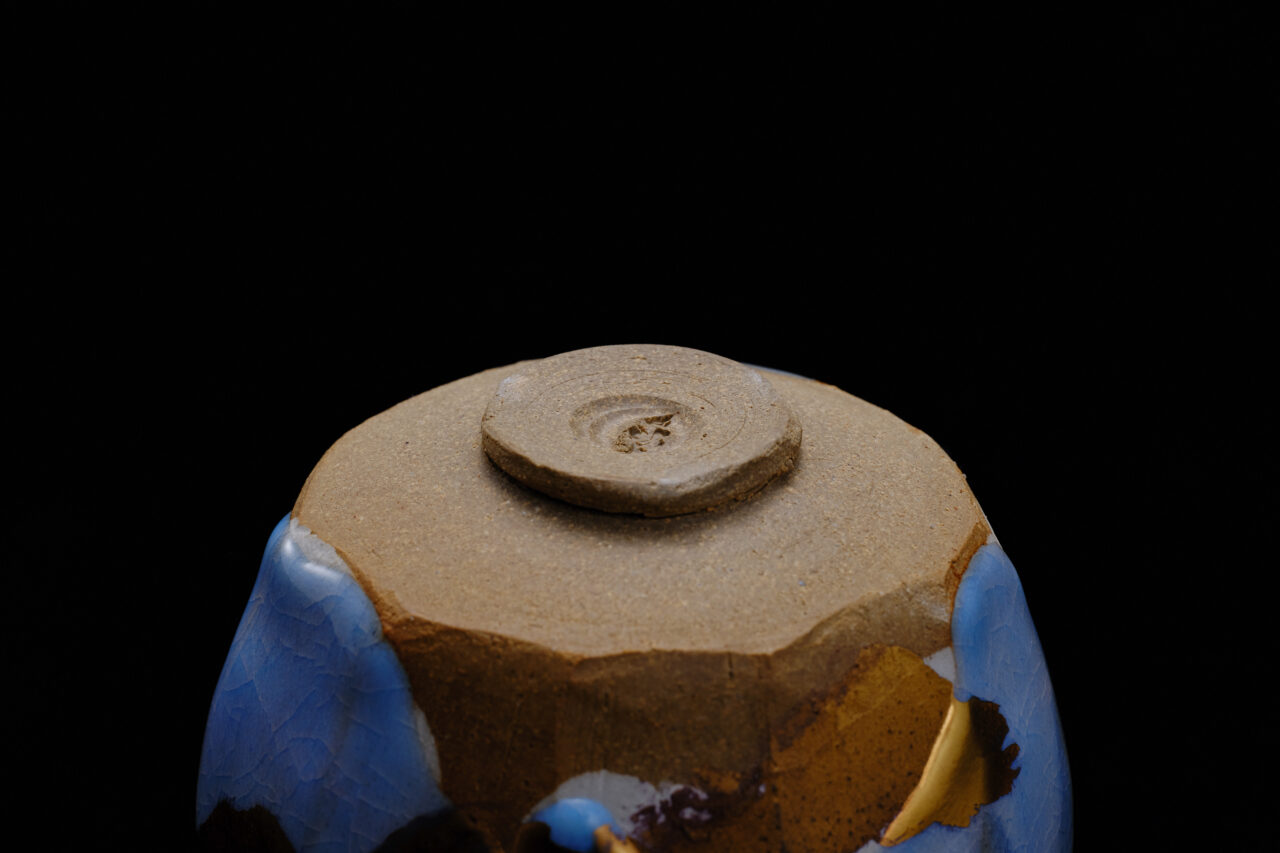
This piece, “Tea Bowl, Geppaku Overglaze with Gold,” is created with traditional Uji clay on potter’s wheel, as white slip and geppaku (“moon white”) glaze are poured and gold decoration applied to its chamfered surface. The way the geppaku glaze melts in the nobori-gama kiln and forms fine kan-nyu crackle over the rustic clay and slip evokes the fresh beauty of hydrangeas, with a translucent pale blue that is simply stunning. Using gold was a challenge for Hosai XVI, but by carefully balancing its application he has succeeded in creating a new form of artistry that blends matte and glossy brilliance. This work is an innovative masterpiece, showcasing a high level of ornate decoration while also expressing an elegant harmony of beauty.