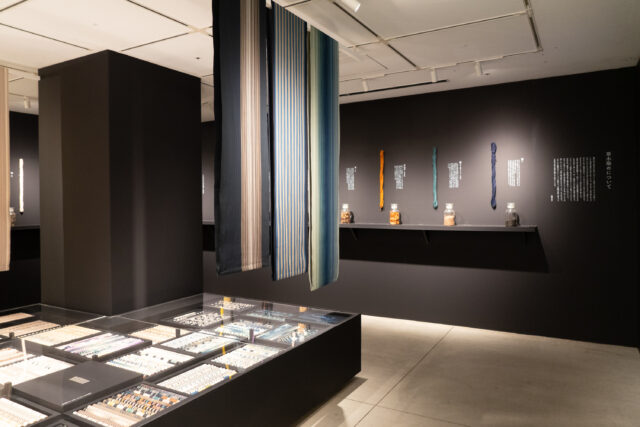
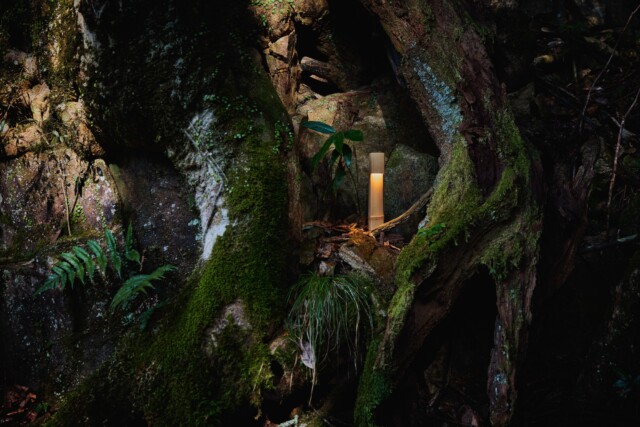
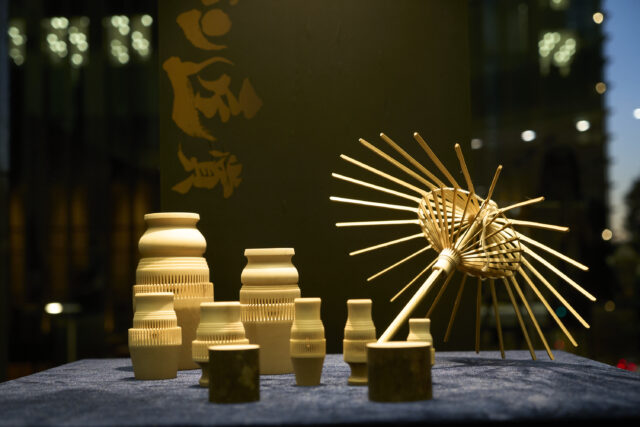
“Nosou™,” A New Brand Rooted in Natural Materials and Craftsmanship, Unveils Bamboo Lighting Collection
New Products VOL.30
VOL.1-30
Update
VOL.1-65
Update
VOL.1-5
Update
VOL.1-32
Update
VOL.1-8
Update
VOL.1
Update
VOL.1-27
Update
VOL.1-4
Update
VOL.1-3
Update
We share a variety of information and perspectives on Japanese crafts, including exhibition information and interviews.
New Products VOL.30
New Products VOL.29
Featured Exhibitions & Events VOL.65
Editor's Column “The Path of Japanese Crafts” Part2: Modern Society and Kogei VOL.5
Sep 5 – Nov 8, 2026
SEIKADO BUNKO ART MUSEUM
Sep 11 – Sep 16, 2026
KAKIDEN GALLERY
Sep 12 – Sep 20, 2026
essence kyoto
Sep 12 – Nov 23, 2026
Mitsui Memorial Museum

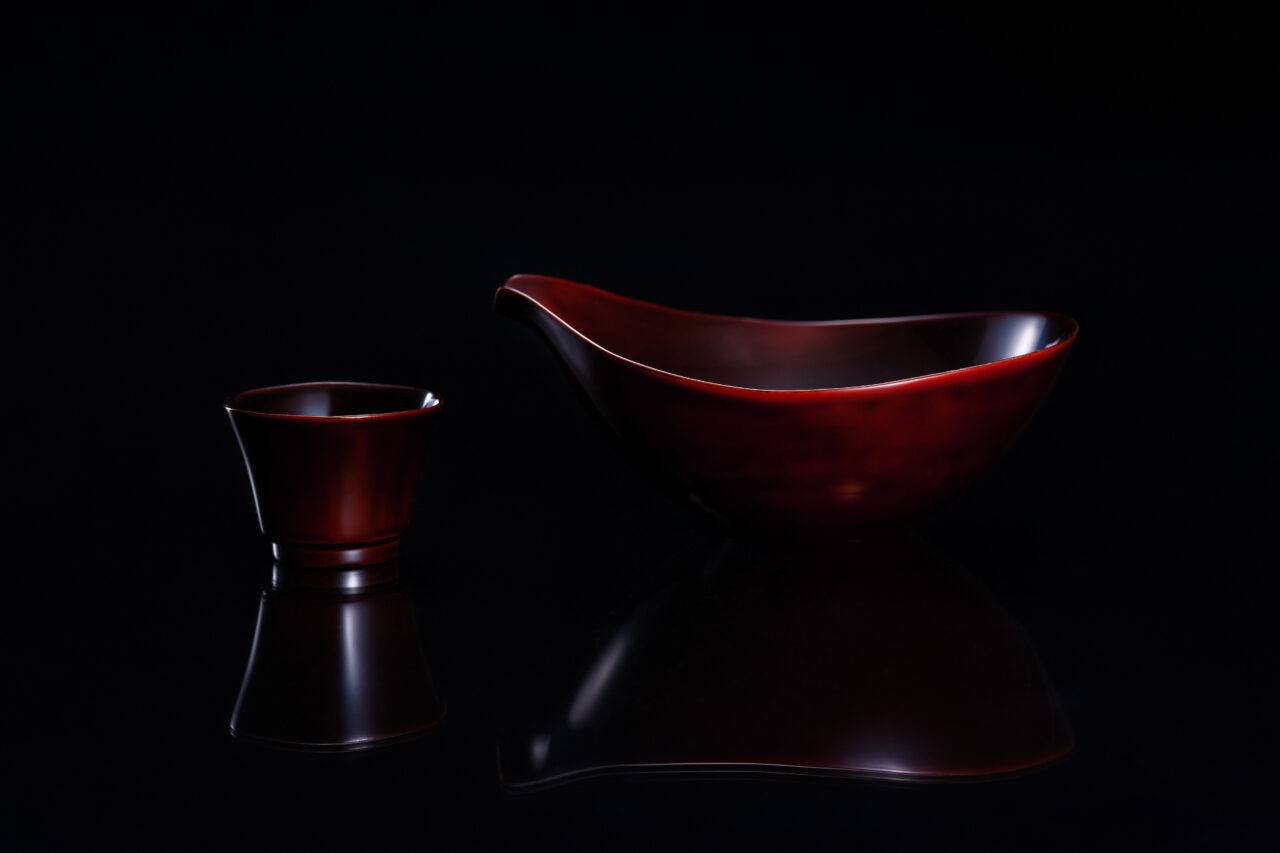
Katsuji Kamata, a nushi lacquer artist based in Wajima, Ishikawa Prefecture, employs a technique known as dry lacquer or kanshitsu to create light and dynamic shaped vessels. Kanshitsu involves layering hemp cloth with lacquer over a mold, allowing for free-form creativity. Historically used for making Buddhist statues and currently for creating art pieces, it is rarely applied to the production of daily-use items. Katsuji aims to create lacquerware that harmonizes with modern dining tables and enhances the food, handling the entire process from mold making onwards.
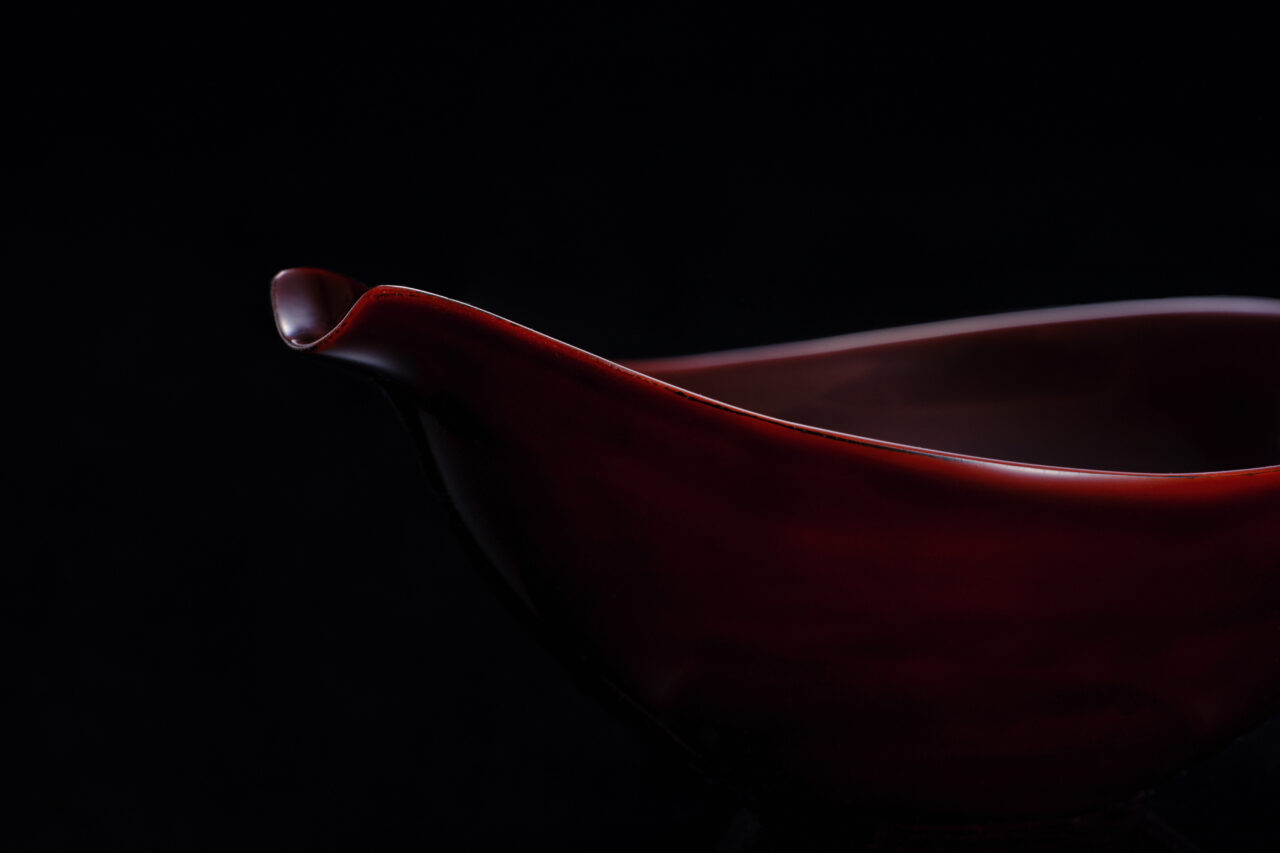
The gentle curves extending from the rim to the spout of the katakuchi sake server reveal the softness that can only be achieved with fabric, not with wood. The hexagonal-shaped guinomi sake cup is astonishingly light, with the smooth feel of lacquer gently and comfortably touching the lips. The understated luster of the deeply layered red lacquer, combined with the thin, refined form, imparts a sense of sophistication.
Inspired by the natural beauty of Wajima, where he has lived for many years, the graceful forms of Katsuji’s work reflect this connection. As you raise a cup, you can appreciate the craftsmanship and feel the connection to the land that nurtures such exquisite lacquerware.