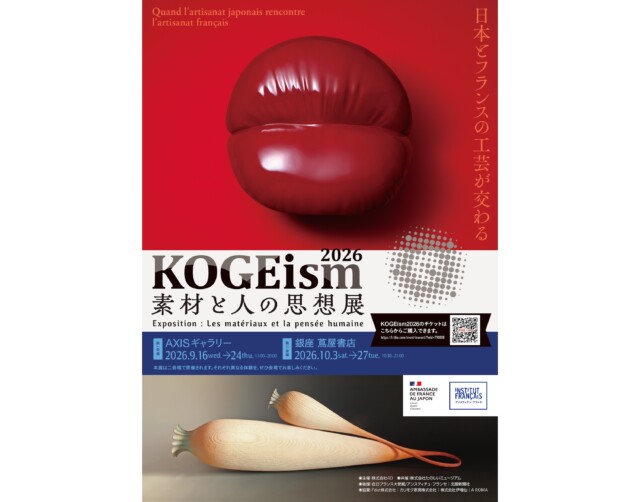
“KOGEism 2026 – Exposition: Les matériaux et la pensée humaine” Featuring Craft Artists from Japan and France, Will Be Exhibited at AXIS Gallery in Roppongi and Ginza Tsutaya Books
Featured Exhibitions & Events VOL.67
VOL.1-67
Update

VOL.1-30
Update
VOL.1-5
Update
VOL.1-32
Update
VOL.1-8
Update
VOL.1
Update
VOL.1-27
Update
VOL.1-4
Update
VOL.1-3
Update
We share a variety of information and perspectives on Japanese crafts, including exhibition information and interviews.
Featured Exhibitions & Events VOL.67
Featured Exhibitions & Events VOL.66
New Products VOL.30
New Products VOL.29
Sep 12 – Nov 23, 2026
Mitsui Memorial Museum
Sep 18 – Sep 27, 2026
megumu art
Sep 19 – Sep 27, 2026
Ceramic gallery TOBETOBEKUSA
Sep 19 – Sep 27, 2026
Aizuya

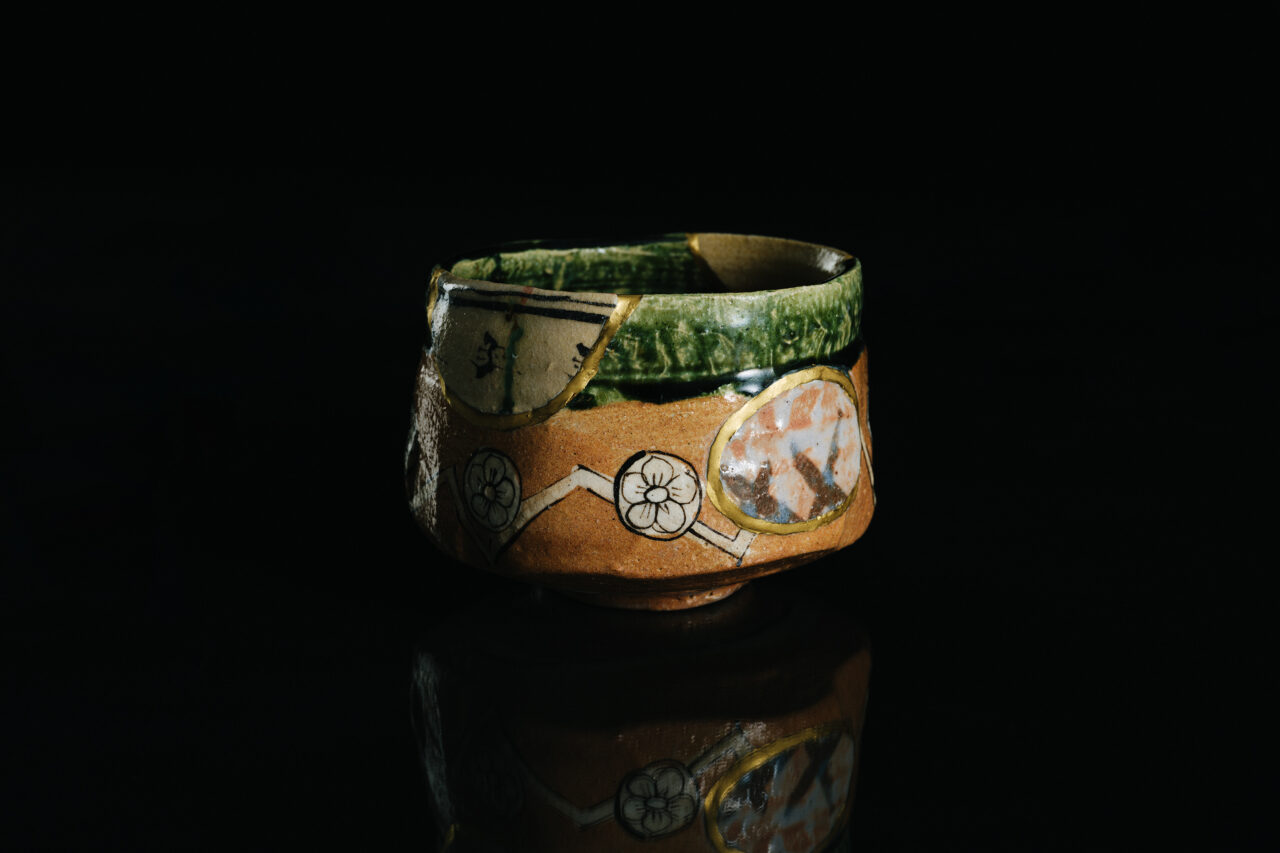
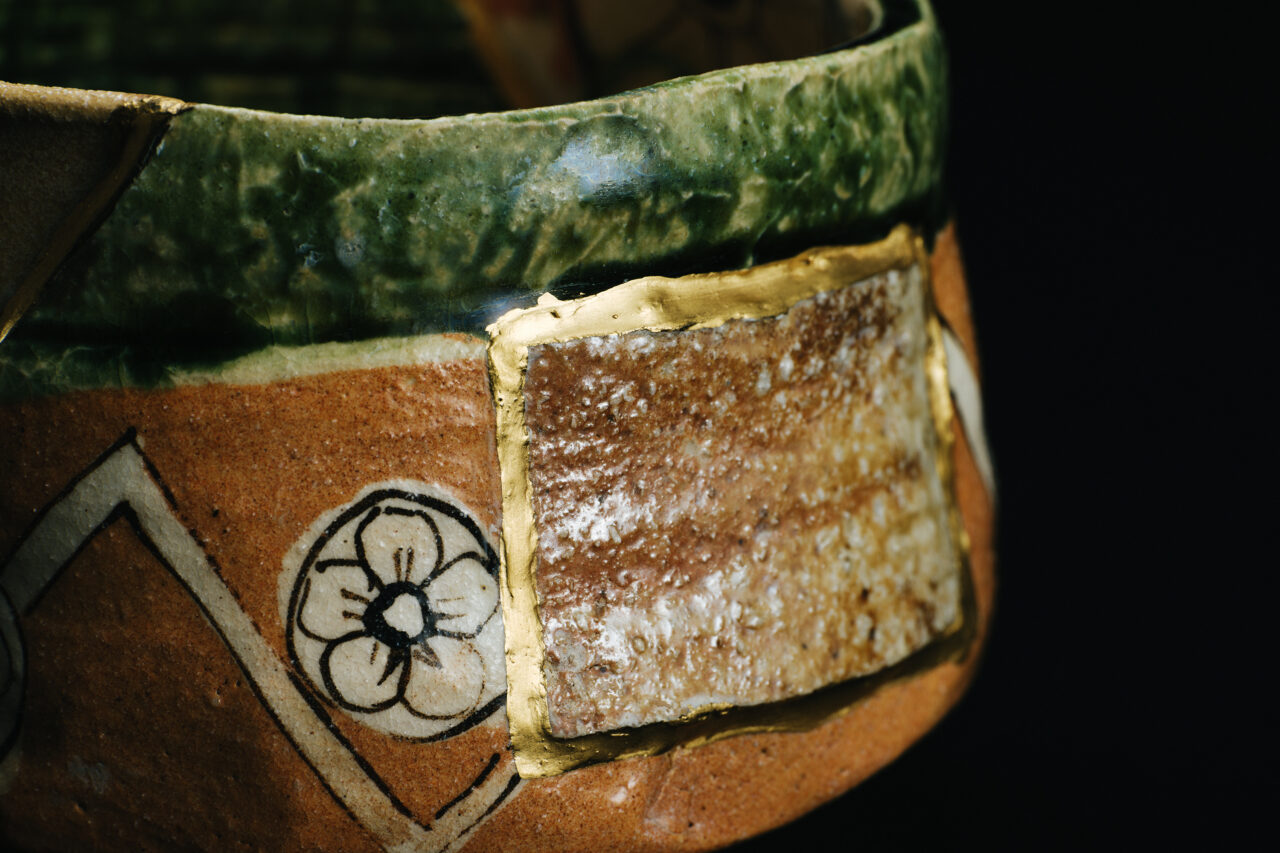
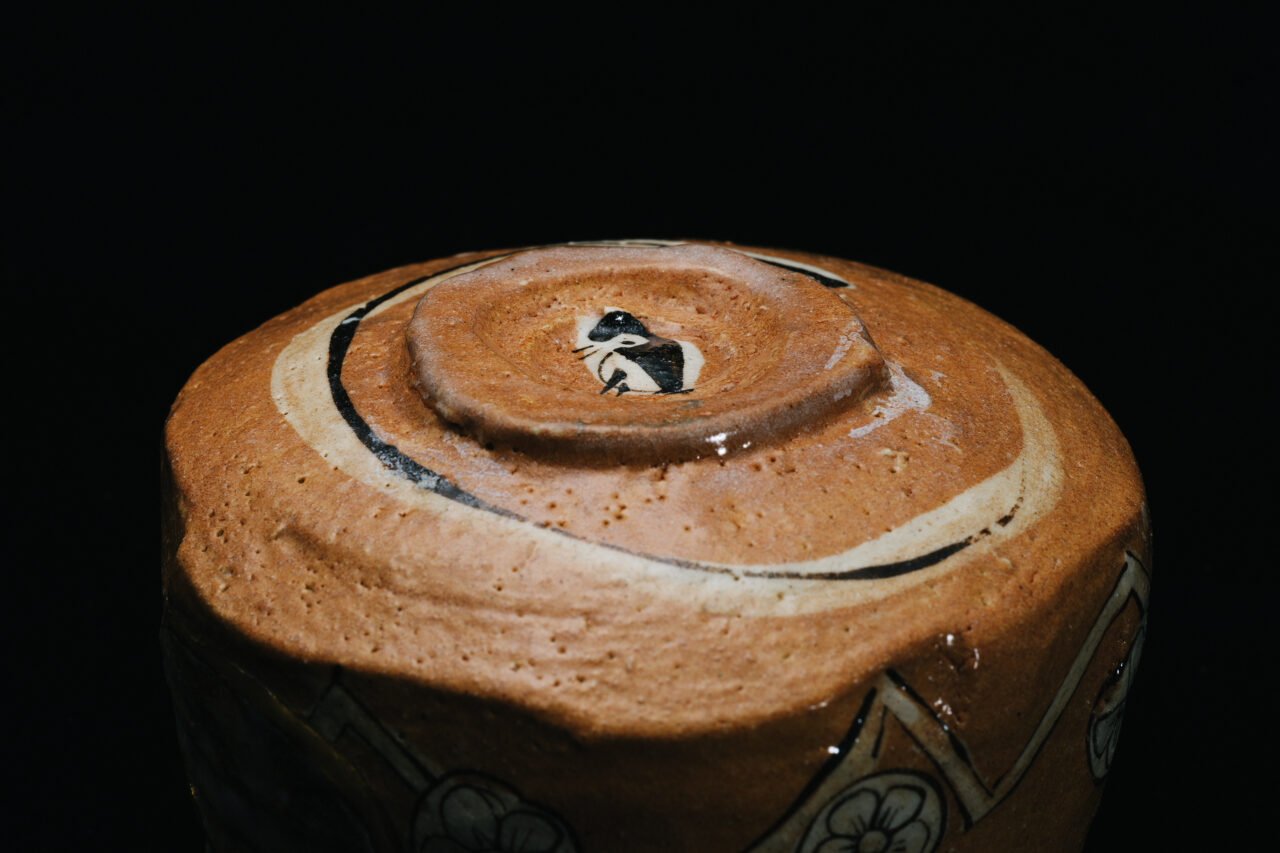
Shigaraki, Oribe, Shino, and Ki-Seto. In “Yobitsugi Tea Bowl,” a piece hand-crafted by ceramic artist Katsunori Sawa, one can savor the captivating landscapes of all four types of ceramics in a single tea bowl. The richness of Shigaraki, fired in a wood kiln, and the semi-transparency of Ki-Seto blend harmoniously with the light brushwork of Oribe and Shino, while the gold seams act as accents, eliciting admiration from connoisseurs.
Using lacquer and gold, “yobitsugi” combines fragments of different ceramics to repair a damaged vessel. Originally a method for repairing ceramics, people eventually found a new beauty in the harmonious connection of separate materials through the golden seams. In the realm of creative endeavors, deliberately breaking a work into pieces and then putting together fragments from different works can be simultaneously the most destructive and the most creative act for an artist. In Katsunori’s yobitsugi works, where the distinctive scenes of each are carefully joined together with the overall balance in mind, one can find the captivating essence of his ceramic art coming together.