Komatsu and Kaga, Ishikawa Prefecture
Travel Guide VOL.1
VOL.1
Update
VOL.1-27
Update
VOL.1-25
Update
VOL.1-52
Update
VOL.1-4
Update
VOL.1-27
Update
VOL.1-4
Update
VOL.1-3
Update
VOL.1
Update
VOL.1-7
Update
VOL.1-32
Update
VOL.1-12
Update
VOL.1
Update
We share a variety of information and perspectives on Japanese crafts, including exhibition information and interviews.
Travel Guide VOL.1
KOGEI Topics VOL.27
New Products VOL.25
New Products VOL.24
Mar 19 – Mar 29, 2026
Seiko House Hall
Mar 20 – Mar 24, 2026
SHIBUYA KURODA TOEN
Mar 20 – Mar 29, 2026
Kashima Arts
Mar 20 – Mar 29, 2026
TOBETOBEKUSA

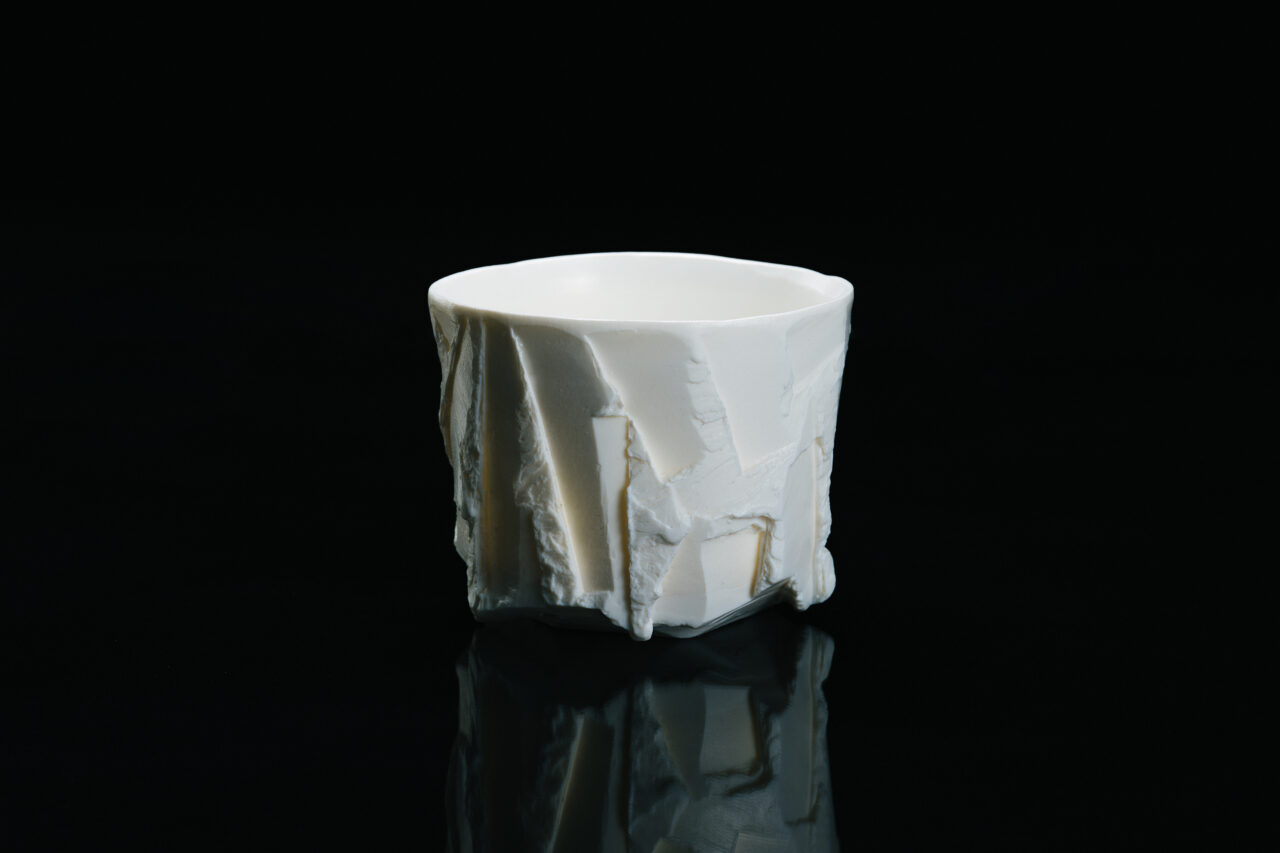
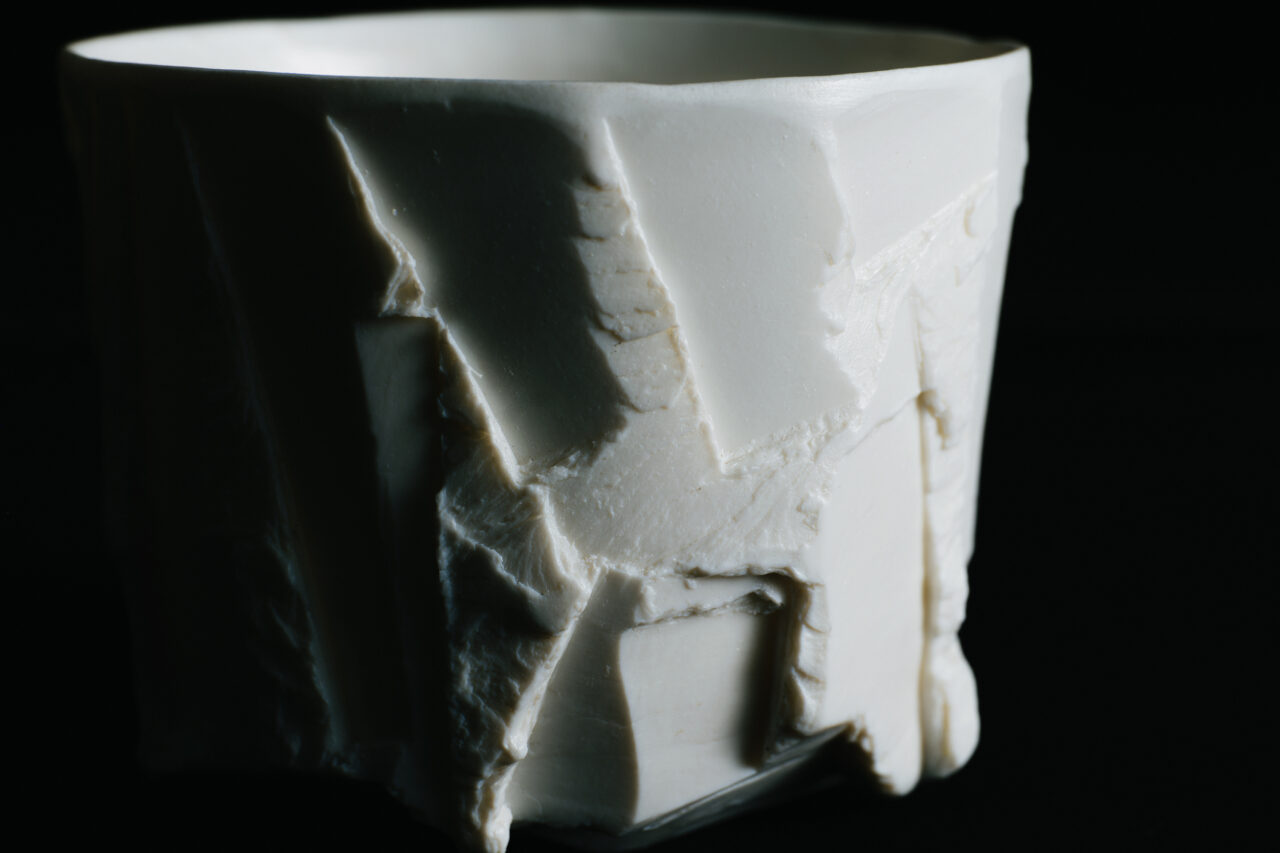
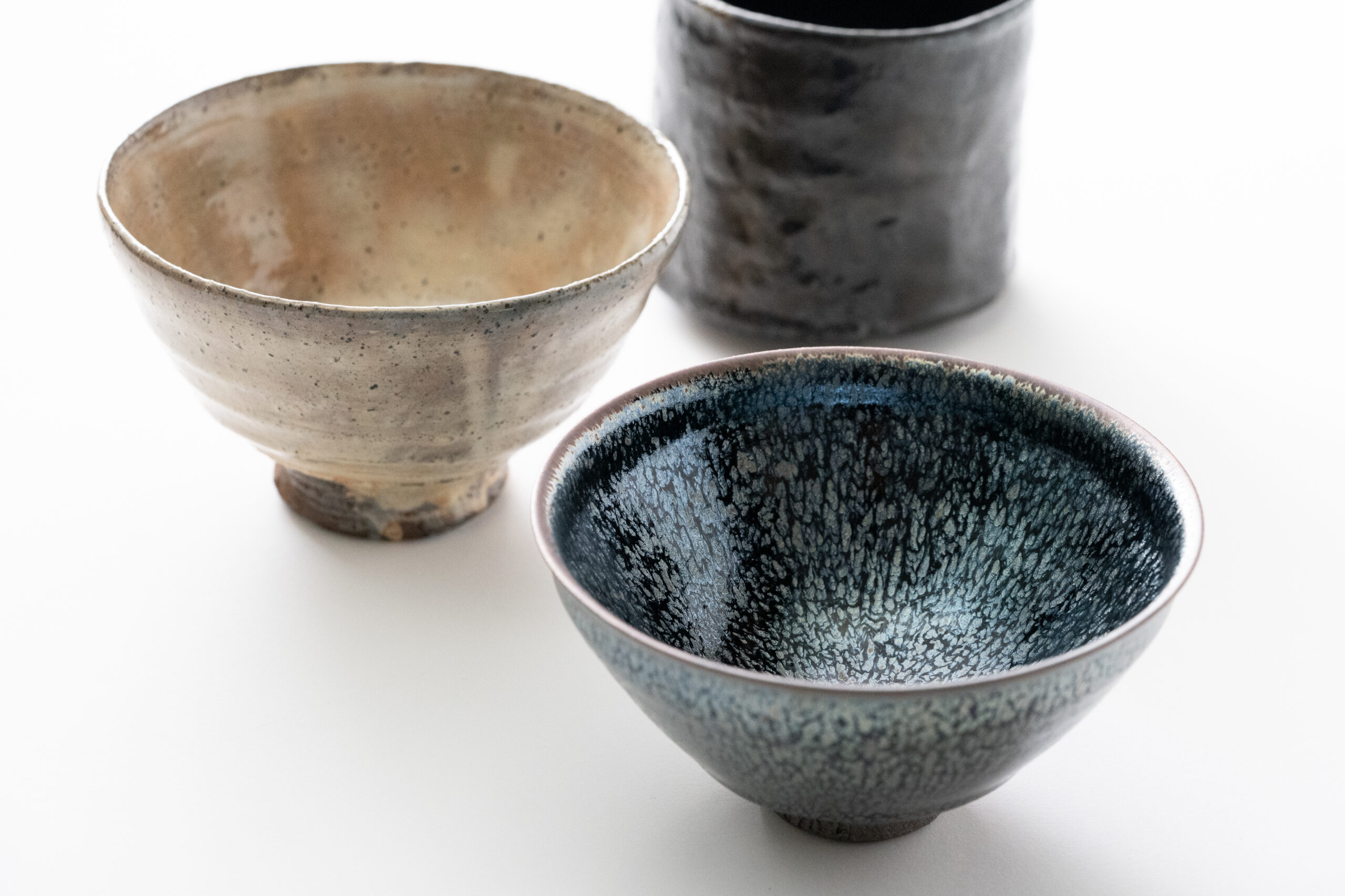
A clear, unclouded white. Many people may be surprised to learn that this work is Bizen ware. This piece, which vividly betrays the image that first comes to mind when one hears the word “Bizen,” is a “Shiro-Bizen” (literally, “White Bizen”) tea bowl that ceramic artist Syo Fujita has been developing in recent years.
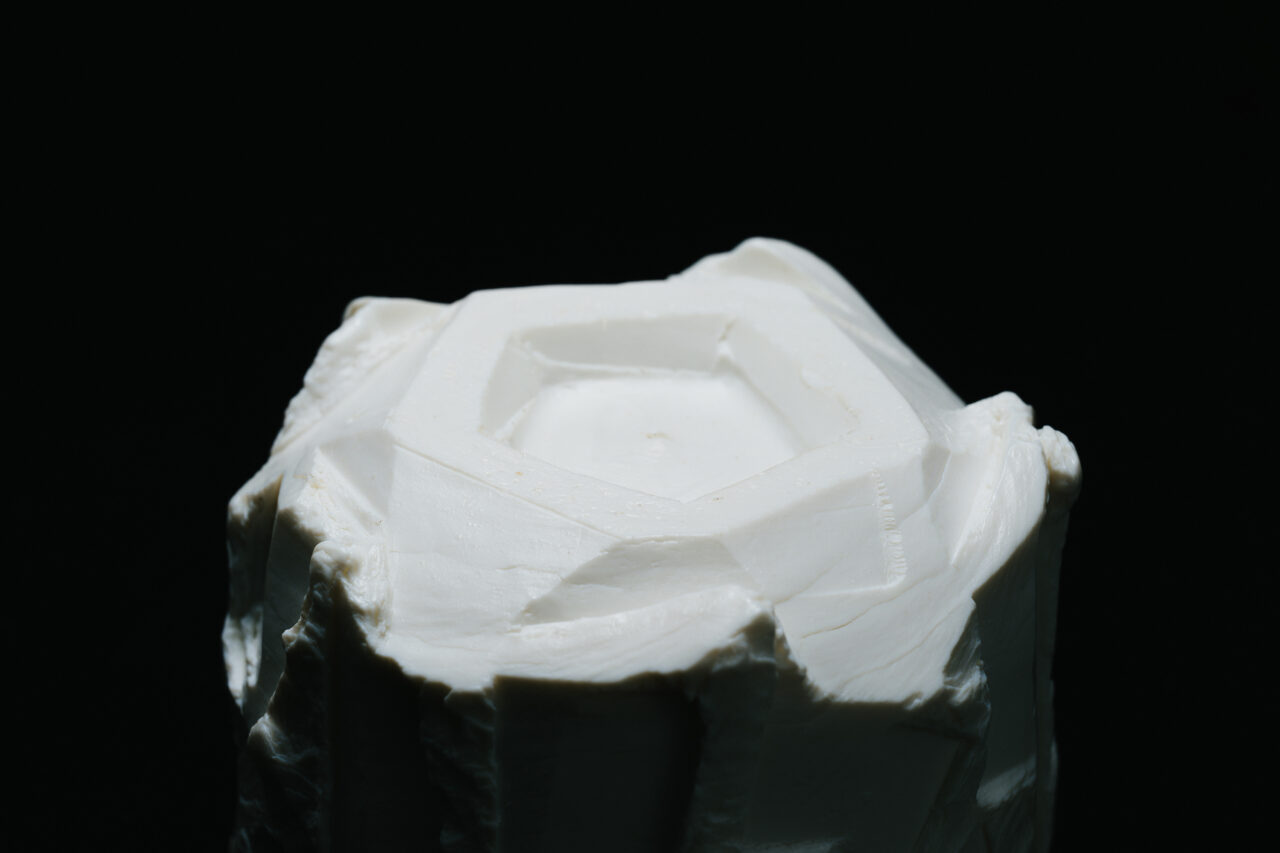
The various yohen effects that manifest on works during firing are a highlight of Bizen ware, but White Bizen is known to have been produced since the Edo period (1603-1868). Older pieces that have survived are rare, and the texture of white varies from artist to artist, even among contemporary pieces. Syo uses only the purest ceramic stone mined from deep underground in Mitsuishi in Bizen, and fires them unglazed in a wood-fired kiln to create a dazzling white scene unparalleled in the world. The sharply carved shapes, which resemble snow-capped mountain ranges, further enhance the graceful charm of the white clay.
There is no compromise in the pursuit of expressions that make Bizen clay look its most beautiful. When the unlimited potential of clay meets the creativity of the artist, works that transcend existing concepts are sure to be born.