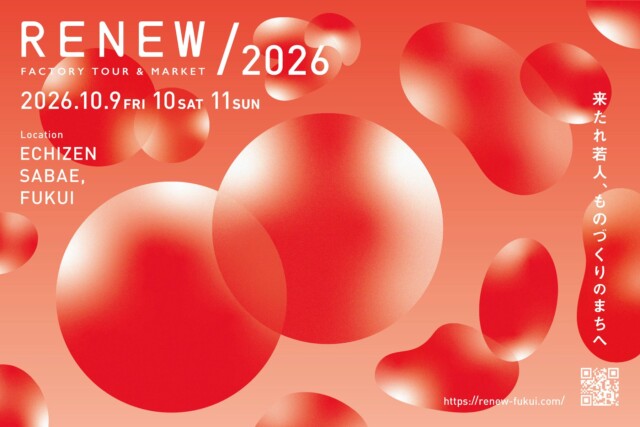
Open Factory Event “RENEW/2026” in Echizen Sabae Announced Event Information
Featured Exhibitions & Events VOL.69
VOL.1-69
Update
VOL.1-30
Update
VOL.1-5
Update
VOL.1-32
Update
VOL.1-8
Update
VOL.1
Update
VOL.1-27
Update
VOL.1-4
Update
VOL.1-3
Update
We share a variety of information and perspectives on Japanese crafts, including exhibition information and interviews.
Featured Exhibitions & Events VOL.69
Featured Exhibitions & Events VOL.68
Featured Exhibitions & Events VOL.67
Featured Exhibitions & Events VOL.66
Sep 12 – Nov 23, 2026
Mitsui Memorial Museum
Sep 19 – Nov 23, 2026
The Museum of Ceramic Art, Hyogo
Sep 26 – Dec 13, 2026
Mie Prefectural Art Museum
Oct 7 – Dec 20, 2026
TOGURI MUSEUM OF ART

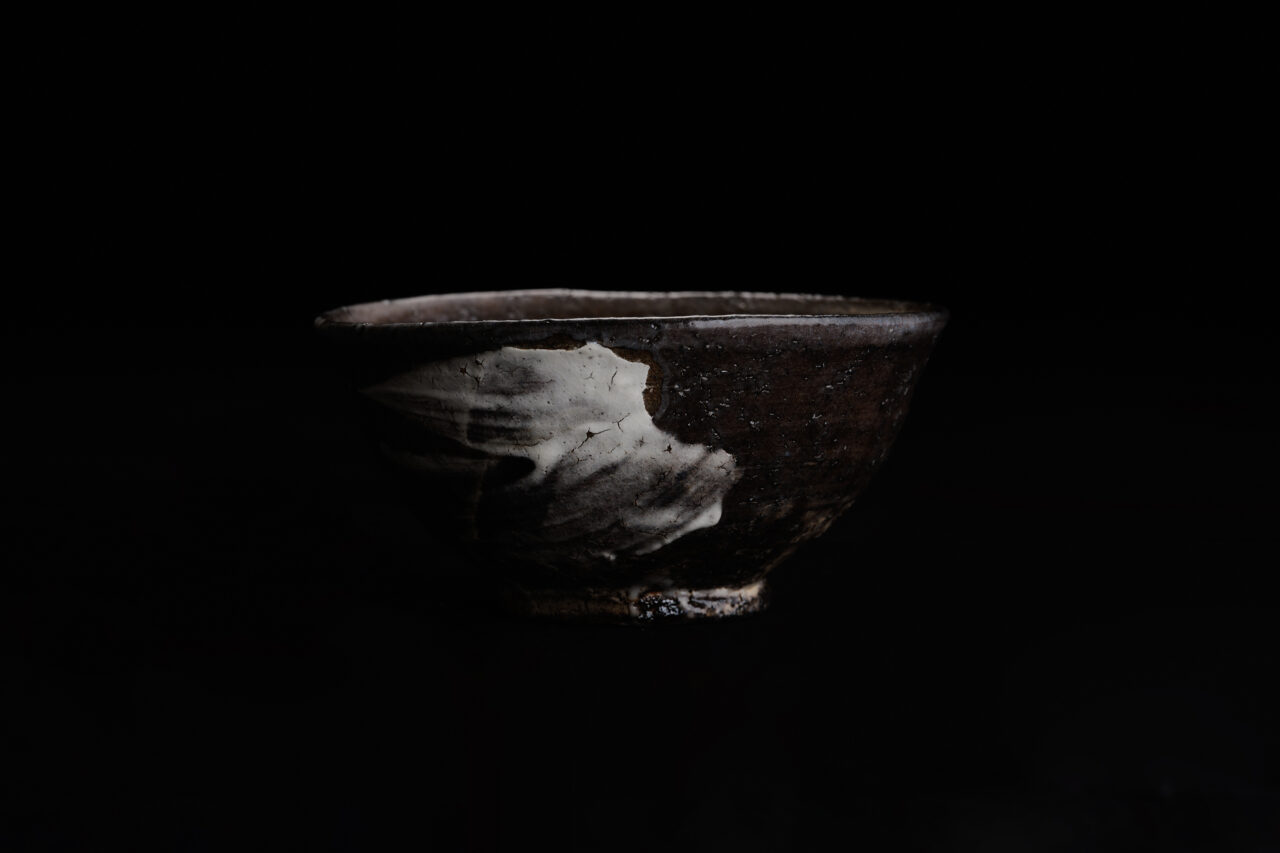
The Hakeme (literally, “brush marks”) style of tea bowl originated in the Korean Peninsula during the Yi Dynasty. It is said to have been introduced to Japan in the early 17th century and was first fired in Karatsu, Saga Prefecture. It is a simple tea bowl with a dark base that is whitewashed with brushes or straw bundles, however a wide range of decorative effects. Depending on the force of the brush strokes, and the roughness, shade, and strength of the brush work, a wide variety of expressions can be seen.
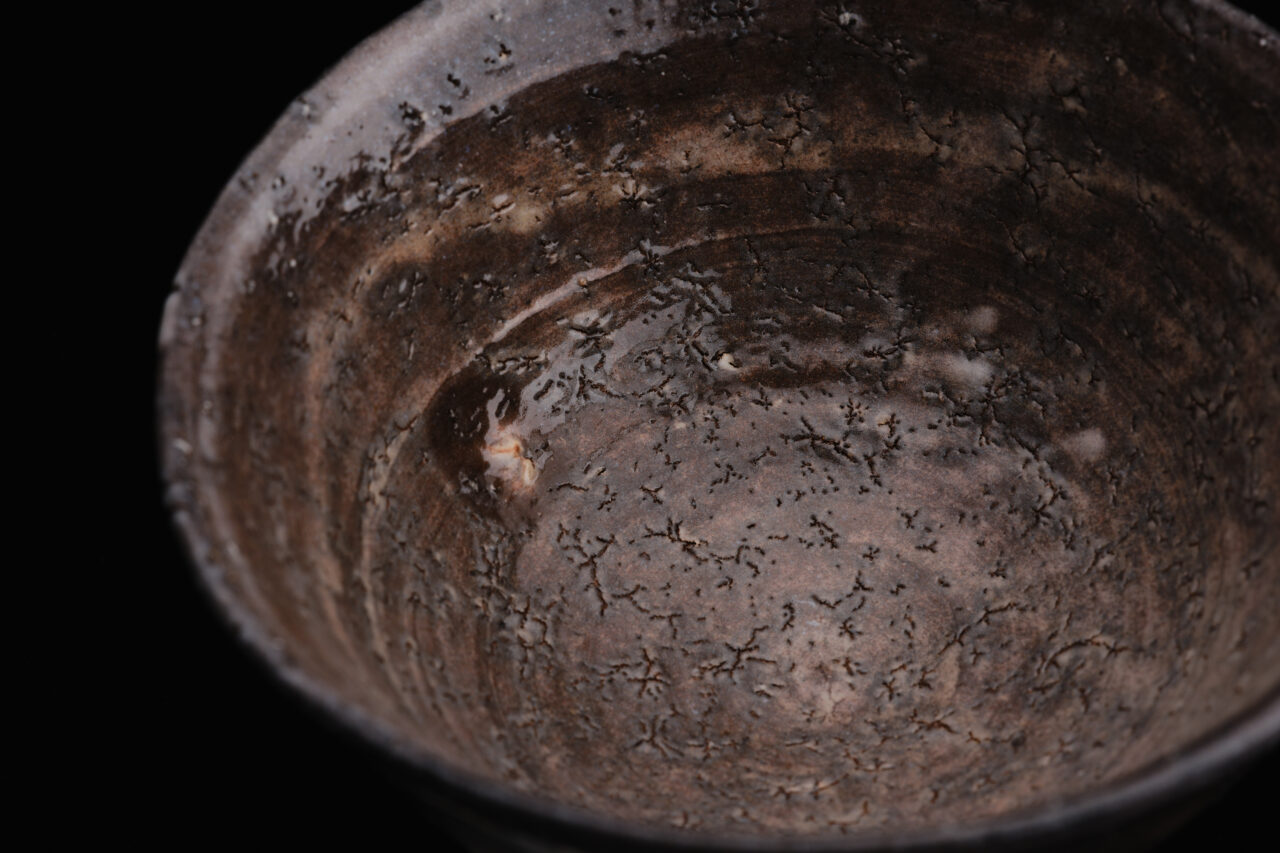
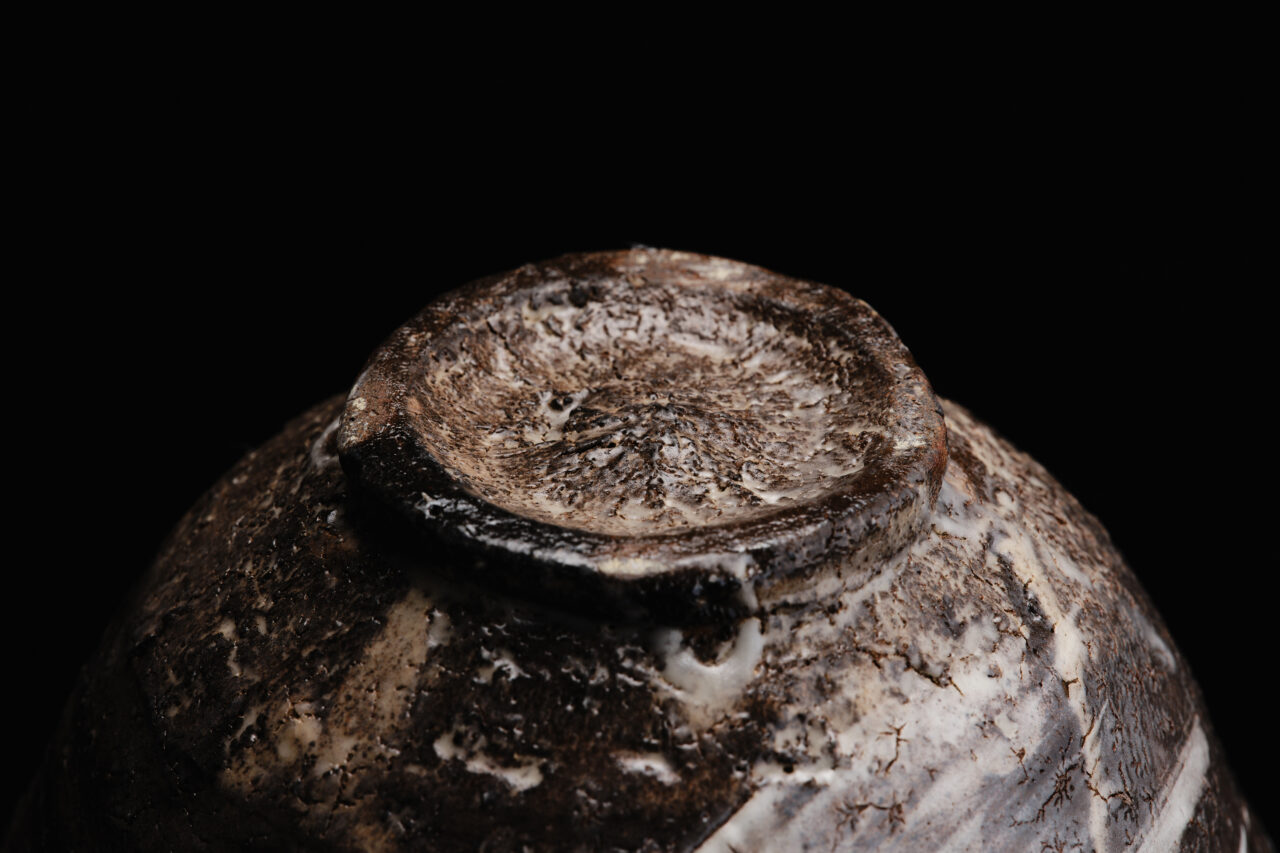
This “Hakeme Tea Bowl” by Rui Mito is an eye-catching tea bowl with two bold brushstrokes on the front. The vigorous white brush strokes create a great contrast to the black clay, letting us imagine of the mind of the artist who faces the bowl with an open spontaneity. The decoration inside the bowl is modest, but the ishi-haze (stone bursts) that appear from the coarse clay and the small glaze shrinkage add a quaint flavor. The bowl will certainly perfect the color of the tea.
Through this work one can discover new charms of the Hakeme tea bowl.