
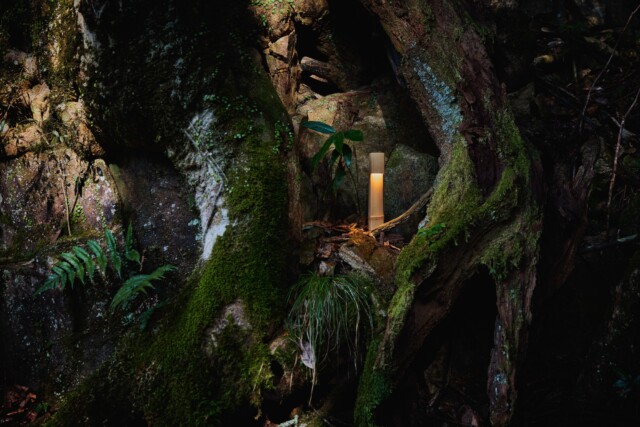
“Nosou™,” A New Brand Rooted in Natural Materials and Craftsmanship, Unveils Bamboo Lighting Collection
New Products VOL.30
VOL.1-30
Update
VOL.1-65
Update
VOL.1-5
Update
VOL.1-32
Update
VOL.1-8
Update
VOL.1
Update
VOL.1-27
Update

VOL.1-4
Update
VOL.1-3
Update
We share a variety of information and perspectives on Japanese crafts, including exhibition information and interviews.
New Products VOL.30
New Products VOL.29
Featured Exhibitions & Events VOL.65
Editor's Column “The Path of Japanese Crafts” Part2: Modern Society and Kogei VOL.5
Aug 14 – Aug 29, 2026
HULS GALLERY TOKYO
Aug 15 – Oct 12, 2026
Nezu Museum
Aug 19 – Aug 24, 2026
Nihonbashi Mitsukoshi
Aug 25 – Aug 31, 2026
KAKIDEN GALLERY

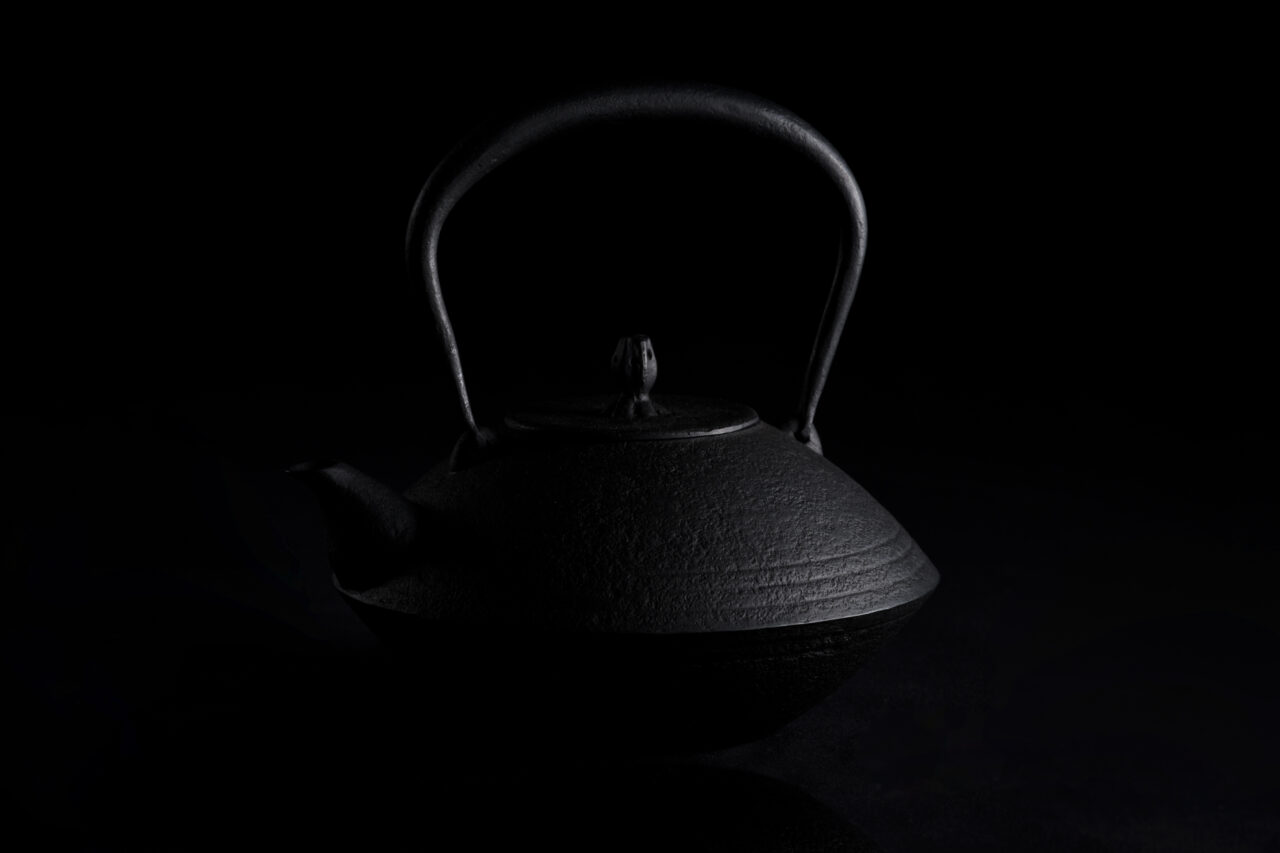
Nanbu ironware (Nanbu tekki in Japanese) was first developed in Morioka, Iwate Prefecture during the Edo period (1603 – 1868). These iron kettles, favored by feudal lords who enjoyed the tea ceremony, gained a reputation for delivering boiled water with a mellow taste, and are now known throughout the world.
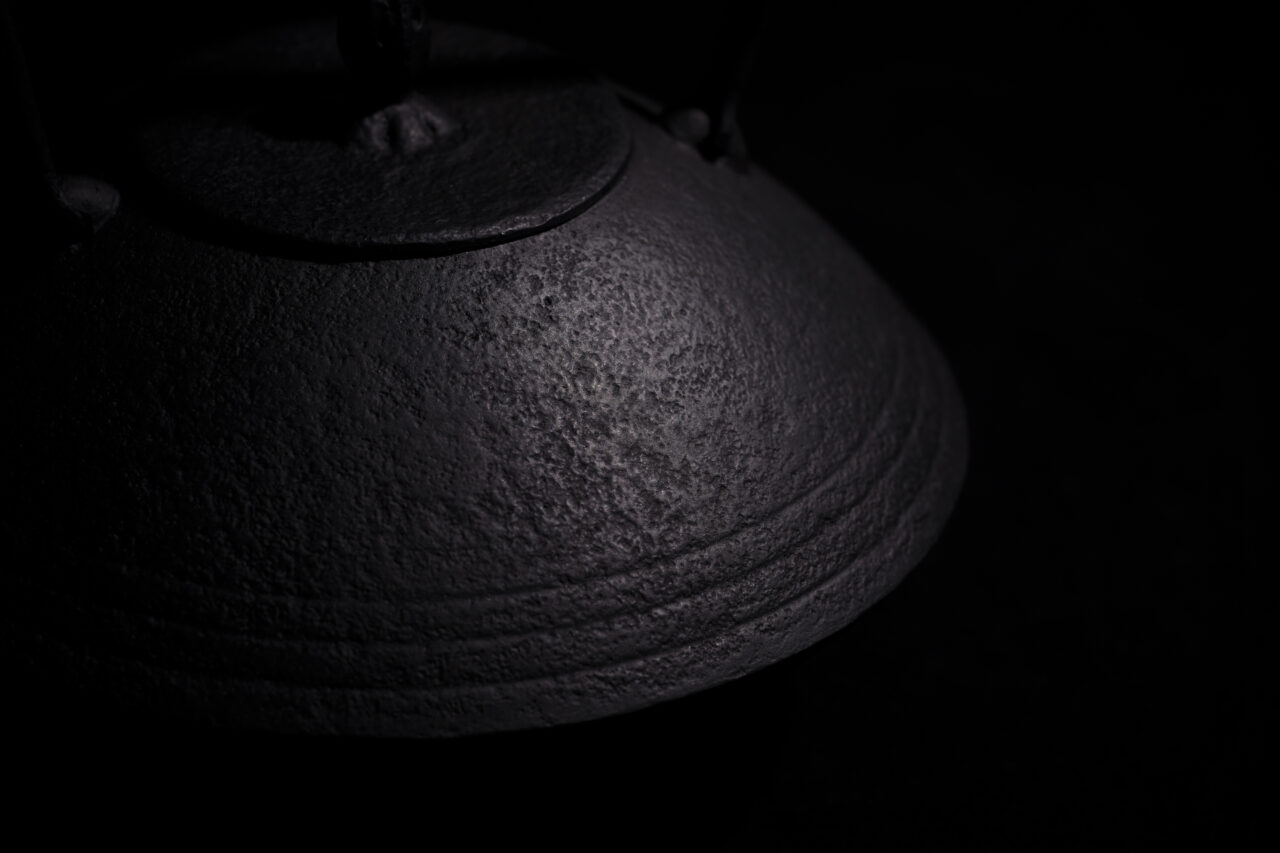
The lustrous black cast surface, designed in the shape of an abacus ball, is created by pouring molten iron into an elaborately made mold. The iron kettle is fired with charcoal and then burnished with lacquer to finish, which prevents it from rusting. The everlasting beauty stemming from the wisdom and skills of our ancestors has been further refined through the dedication of modern craftsmen, and will continue to be passed on for generations to come.