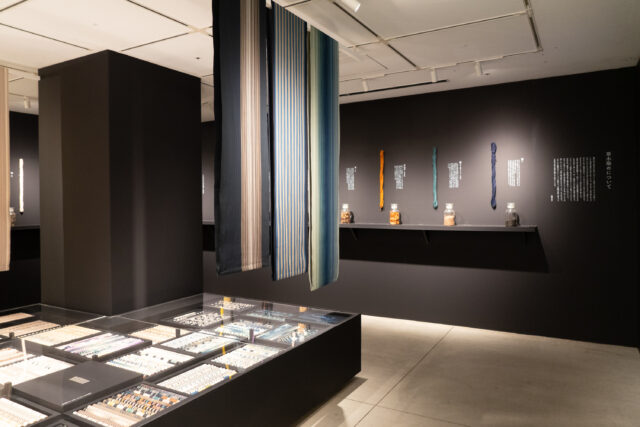
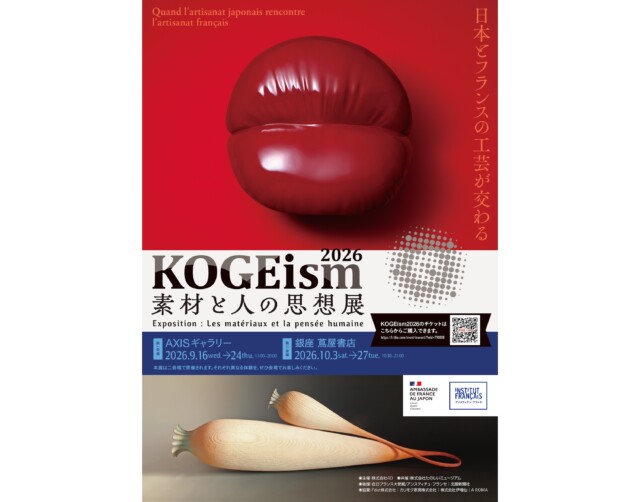
“KOGEism 2026 – Exposition: Les matériaux et la pensée humaine” Featuring Craft Artists from Japan and France, Will Be Exhibited at AXIS Gallery in Roppongi and Ginza Tsutaya Books
Featured Exhibitions & Events VOL.67
VOL.1-67
Update
VOL.1-30
Update
VOL.1-5
Update
VOL.1-32
Update
VOL.1-8
Update
VOL.1
Update
VOL.1-27
Update
VOL.1-4
Update
VOL.1-3
Update
We share a variety of information and perspectives on Japanese crafts, including exhibition information and interviews.
Featured Exhibitions & Events VOL.67
Featured Exhibitions & Events VOL.66
New Products VOL.30
New Products VOL.29
Sep 5 – Nov 8, 2026
SEIKADO BUNKO ART MUSEUM
Sep 11 – Sep 16, 2026
KAKIDEN GALLERY
Sep 12 – Sep 20, 2026
essence kyoto
Sep 12 – Nov 23, 2026
Mitsui Memorial Museum

Humans cannot live in the soil. This is because there is no oxygen, and they cannot breathe. While this is an entirely obvious fact, at the same time there are also organisms that survive in environments without oxygen. Many of those are bacteria or microorganisms, and they exist in the earth or in the ocean. In Japanese these organisms are called kenki-sei seibutsu (anaerobic organisms).
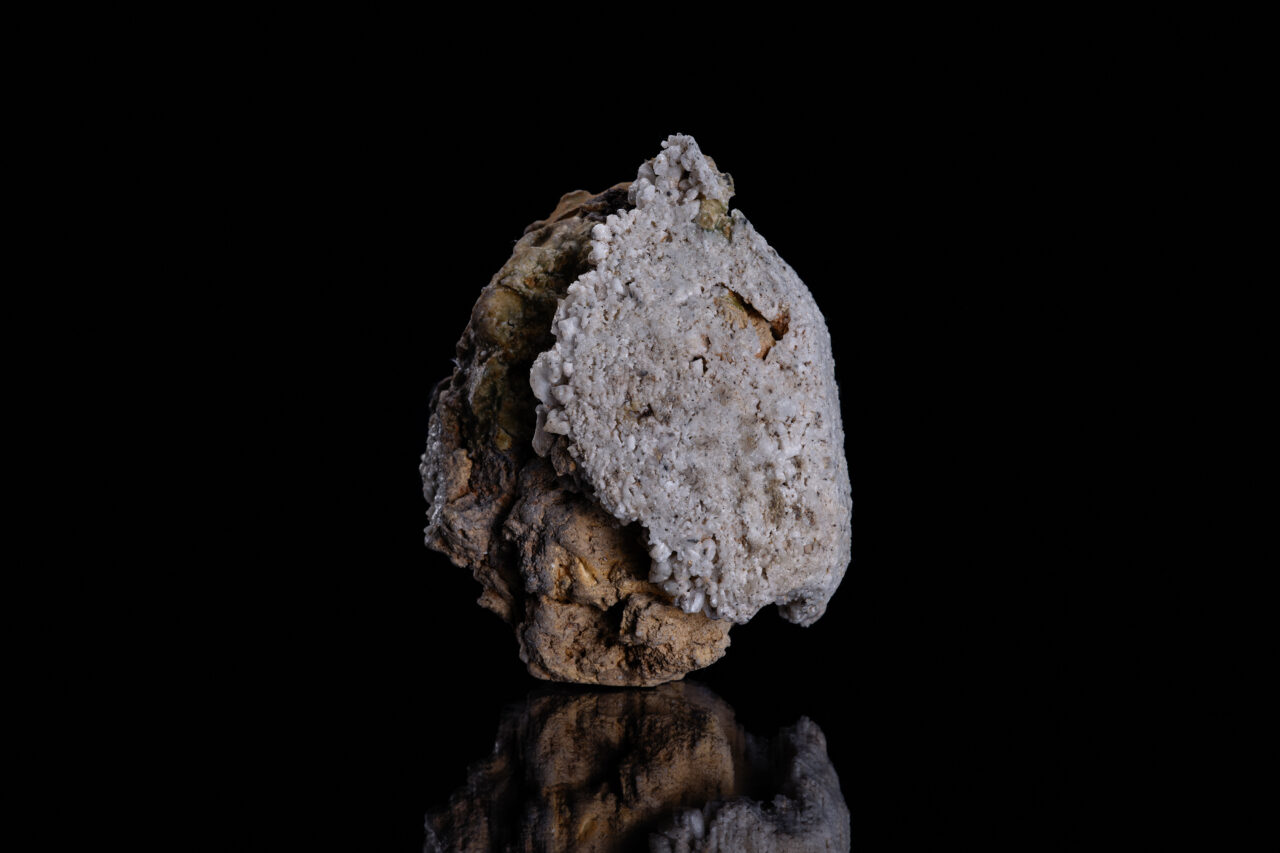
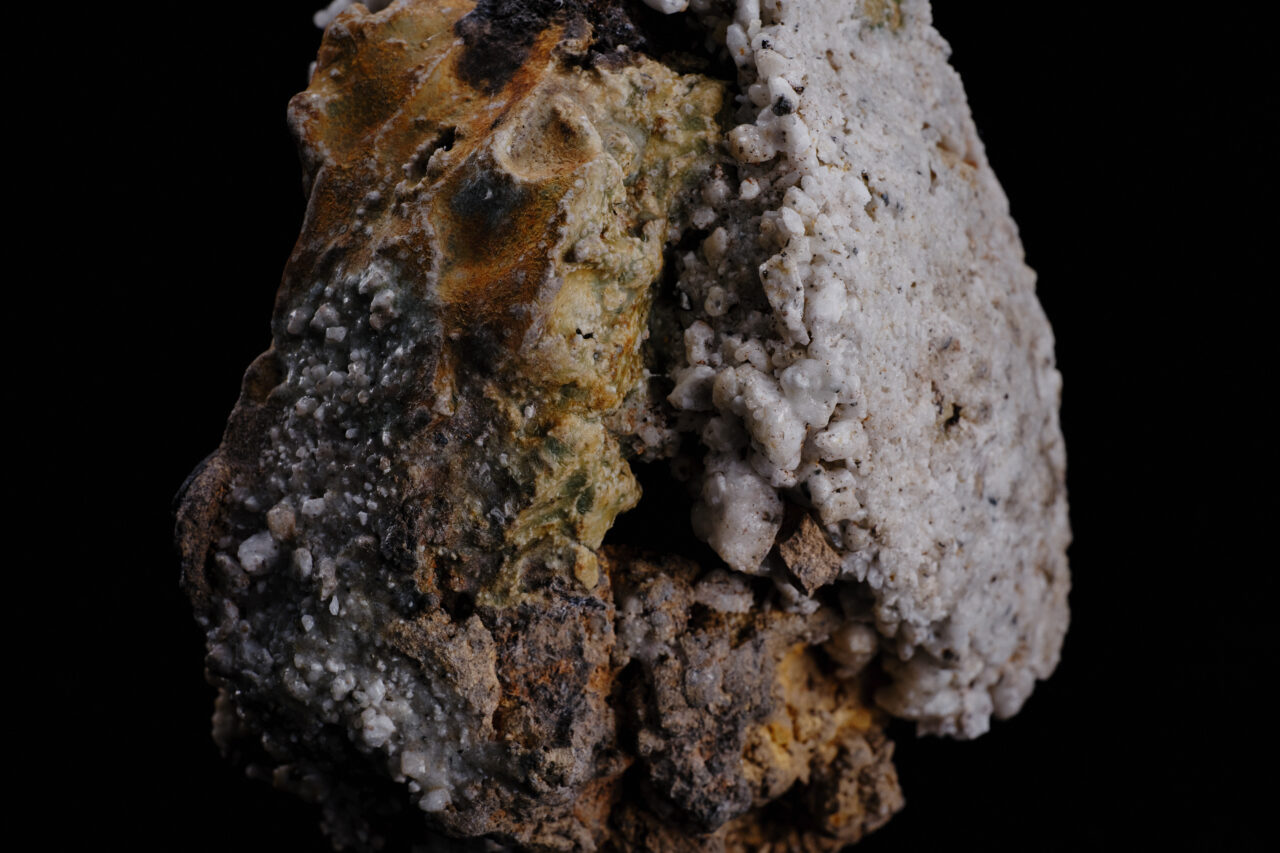
Takashi Tanimoto’s work “Kenki-teki” (literally, “anaerobic”) is a work inspired by those kenki-sei seibutsu. For a ceramic artist, clay is an indispensable material in the creative process. This piece, created under the theme of “deep breath,” reflects the artist’s ongoing engagement with clay. Made with Iga clay and feldspar, the piece was repeatedly fired, resulting in a form that exudes a dense, heavy quality, as if almost entirely disconnected from oxygen. One might imagine that this is what an anaerobic organism could look like if enlarged.
At the same time, firing is itself a chemical reaction with oxygen. The mass of clay, inspired by anaerobic organisms, comes into contact with oxygen in the kiln, either bonding with it or separating from it, transforming, and ultimately giving birth to the piece. Despite being “Kenki-teki”, it presents a striking contrast that evokes the presence of oxygen, adding a fascinating subtext of deeper meaning. As one gazes at it, one feels an unexpected urge to take a deep breath. It is a work that inspires such a response.