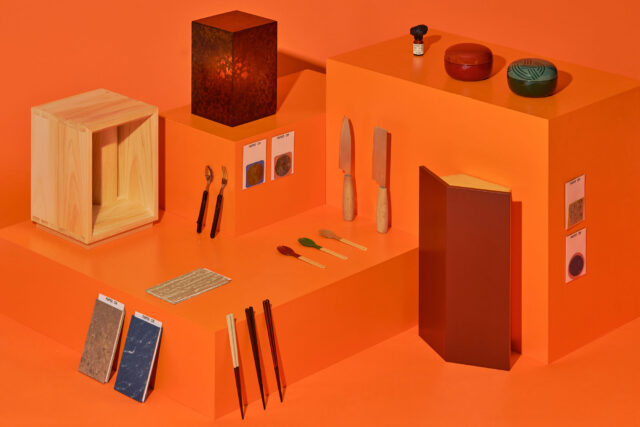
Sghr Sugahara Launches New Products at SGHR NEW DESIGN PREVIEW 2026
New Products VOL.26

VOL.1-26
Update
VOL.1
Update
VOL.1-27
Update

VOL.1-52
Update
VOL.1-4
Update
VOL.1-27
Update

VOL.1-4
Update
VOL.1-3
Update
VOL.1
Update
VOL.1-7
Update
VOL.1-32
Update
VOL.1-12
Update
VOL.1
Update
We share a variety of information and perspectives on Japanese crafts, including exhibition information and interviews.
New Products VOL.26
Travel Guide VOL.1
KOGEI Topics VOL.27
New Products VOL.25
Mar 19 – Mar 29, 2026
Seiko House Hall
Mar 20 – Mar 24, 2026
SHIBUYA KURODA TOEN
Mar 20 – Mar 29, 2026
Kashima Arts
Mar 20 – Mar 29, 2026
TOBETOBEKUSA

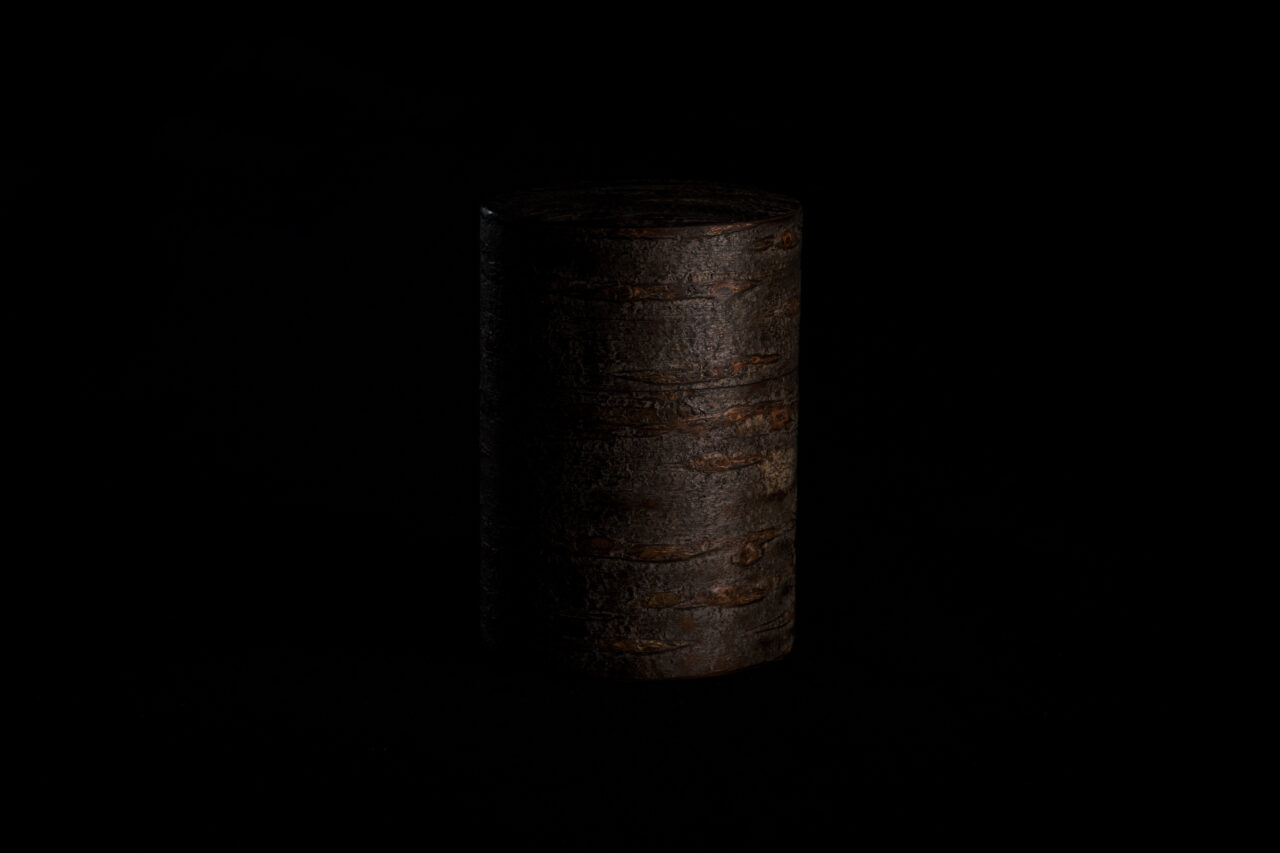
Kakunodate in Akita Prefecture is a historic town that prospered as a castle town during the Edo period (1603 – 1868). Kaba-zaiku, a woodcraft made from the bark of mountain cherry trees, took root as a regional specialty in Kakunodate at the end of the 18th century after it became popular as a household industry for samurai warriors, where it has continued to thrive to this day.
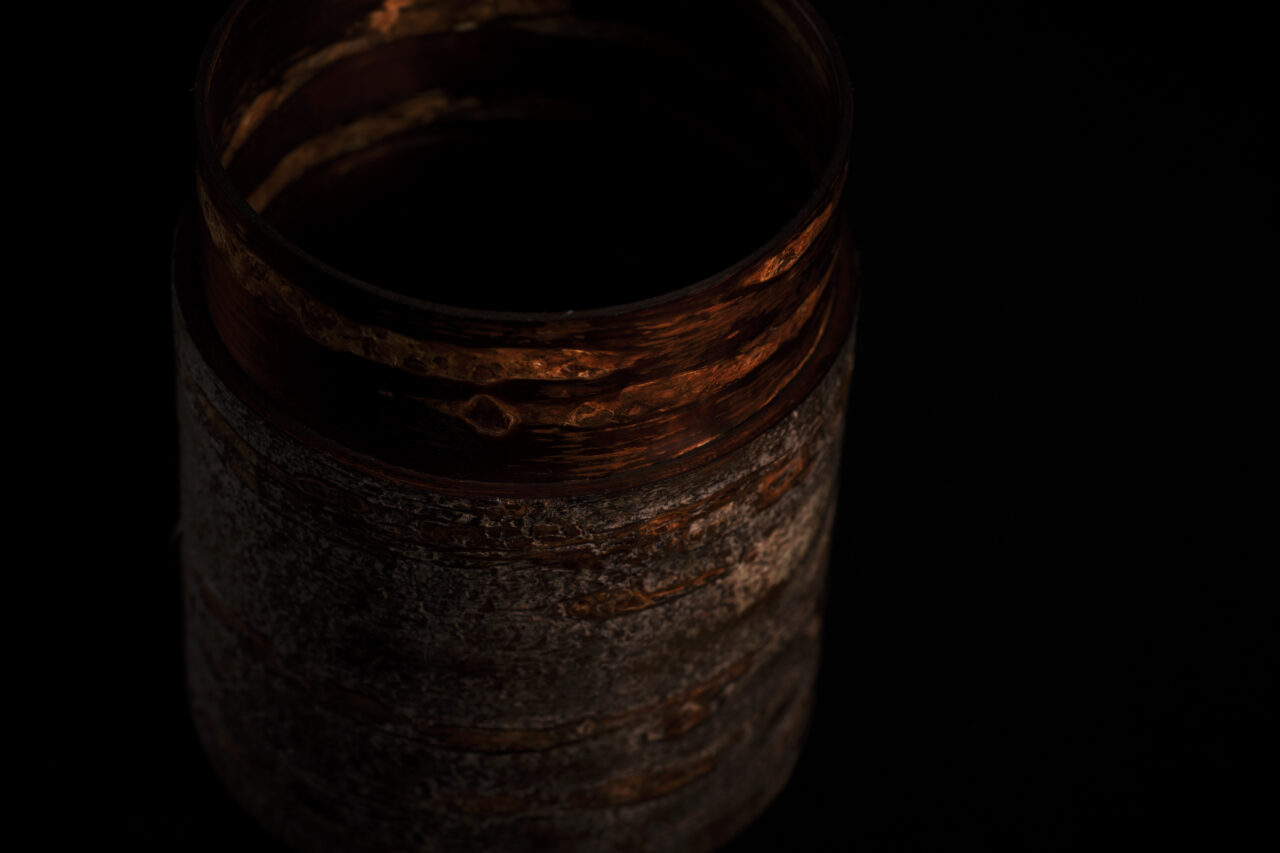
This tea caddy, which looks like a tree trunk, is made of thinly shaved cherry bark that retains a natural, knotty texture called shimofurikawa for the outer casing, and cherry bark that has been repeatedly polished to a glossy lustrous finish for the interior. This is a luxurious gem that allows you to appreciate the profound beauty of cherry trees every time you open the exquisitely crafted lid, which fits effortlessly into place.